






Hydration & Health
In response to the sweltering heatwave gripping India, educational institutions have rolled out comprehensive advisories to safeguard students from the adverse
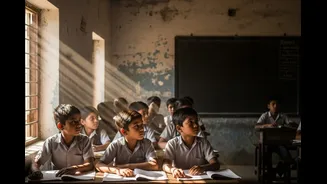
effects of extreme temperatures. A paramount focus is placed on ensuring adequate hydration. Schools are directed to make readily available essential supplies such as Oral Rehydration Solution (ORS), glucose, and electrolytes. Furthermore, maintaining a stock of iron tablets, specifically pink ones for students in Classes 1-5 and blue for those in Classes 6-8, is mandated according to the prescribed schedule. Teachers are being briefed using meteorological data to understand temperature trends and their implications. Vigilant monitoring of students' health is also a key component, with a protocol for prompt intervention in emergencies. These measures aim to bolster students' well-being and resilience against the harsh climate, ensuring that their learning environment remains safe and supportive even during periods of intense heat.
Activity & Avoidance
To mitigate the risks associated with intense heat, schools are enforcing specific guidelines regarding student activities and their exposure to the sun. Students are strongly advised to refrain from venturing outdoors between 12 noon and 3 PM, the period when the sun's intensity is at its peak. Maintaining consistent fluid intake, including water and rehydration solutions, is emphasized. The choice of attire is also crucial, with a recommendation for light, loose-fitting cotton clothing that allows for better air circulation. Outdoor sports and any form of strenuous physical exertion during these high-temperature hours are to be strictly discouraged. Schools are also tasked with ensuring that shaded areas are accessible and that a continuous supply of drinking water is available to all students. These directives are critical in preventing heat exhaustion and other heat-related ailments among the student population, promoting a safer and more comfortable educational experience.
Delhi's Water Bell
In the national capital, the Municipal Corporation of Delhi (MCD) has instituted a series of detailed guidelines for schools facing rising temperatures, aligning with advisories from the India Meteorological Department. The paramount concern is the safety and health of children, leading to measures like conducting morning assemblies indoors or within shaded enclosures rather than in open areas. To combat dehydration effectively, schools are implementing a 'water bell' system, which prompts students to drink water at regular intervals, typically every 45 to 60 minutes. A 'buddy system' is also being promoted, encouraging students to look out for each other's well-being. Essential provisions include ensuring access to clean drinking water, conducting educational sessions on heat safety, and providing immediate first aid for any student exhibiting symptoms like dizziness, weakness, or vomiting. Parents are also urged to ensure their children wear comfortable cotton clothes and maintain good hygiene at home.