
Engine Oil Pressure
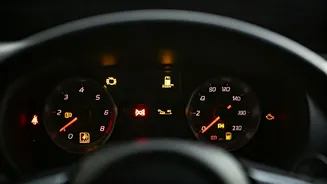
The engine oil pressure warning light, often depicted as an oil can, is a critical indicator of your engine's health. When this light glows red, it signifies
that the engine oil pressure is dangerously low, potentially leading to severe engine damage. This could be due to a lack of oil, a faulty oil pump, or a leak. Immediately pull over in a safe place, turn off the engine, and check the oil level using the dipstick. If the oil is low, add the appropriate amount. If the light persists or if the oil level is normal, it's essential to have your car inspected by a qualified mechanic to diagnose and fix the issue. Ignoring this light can result in costly engine repairs.
Battery Charging Warning
The battery charging warning light, often a battery symbol, indicates a problem with your vehicle's charging system. This suggests that the battery isn't receiving enough power from the alternator. Common causes include a malfunctioning alternator, a loose or corroded battery cable, or a worn-out serpentine belt. If this light illuminates while driving, you should try to turn off unnecessary electrical devices such as the radio or air conditioning to conserve battery power. The car can still operate, but there's a limit to how long the battery can provide power. Schedule an immediate inspection by a mechanic; ignoring this can result in your car not starting.
Brake System Alert
The brake system warning light, often an exclamation point inside a circle, is crucial for your safety. It can signal two issues: either the parking brake is engaged, or there's a problem with the brake system. First, ensure the parking brake is fully disengaged. If the light remains on, there could be a loss of brake fluid, or a serious malfunction in the braking system. Immediately and carefully check the brake fluid level. Low fluid levels often mean a leak somewhere in the brake lines. Proceed with extreme caution and seek assistance from a mechanic. Driving with faulty brakes can be extremely dangerous. Get your vehicle inspected immediately.
Engine Temperature Warning
The engine temperature warning light, commonly a thermometer symbol, alerts you to overheating. This could be caused by a coolant leak, a faulty water pump, or a clogged radiator. If the light comes on, pull over to a safe location as quickly as possible and turn off the engine to prevent serious damage. Never open the radiator cap while the engine is hot. Allow the engine to cool down, and check the coolant level. Refill it if necessary (be cautious to avoid scalding). If the light comes back on soon after, it is essential to seek professional mechanical help. Overheating can quickly lead to costly engine repairs, including head gasket damage or complete engine failure.
Check Engine Light
The check engine light, often shaped like an engine block, is an indicator of various potential problems within the engine's system. It can illuminate for various reasons, from a loose gas cap to more complex issues like a misfiring spark plug or emissions problems. A flashing check engine light indicates a more serious situation, such as an engine misfire that could damage the catalytic converter. If the light is solid, it's advisable to have the car inspected as soon as possible. If it's flashing, pull over safely and seek immediate assistance. A diagnostic test will help identify the root cause, allowing you to avoid larger and more expensive problems later on.
Anti-lock Brake System (ABS)
The ABS warning light, typically the letters ABS within a circle, signals a malfunction within the anti-lock braking system. While the regular brakes will still function, the ABS feature that prevents wheel lock-up during hard braking, is disabled. This is important because it reduces the driver's ability to maintain control during emergency stops. Have your ABS checked by a mechanic as soon as possible. The ABS is very useful in preventing skidding during sudden braking and also assists in controlling your vehicle.
Tire Pressure Warning
The tire pressure monitoring system (TPMS) warning light, typically a horseshoe-shaped symbol with an exclamation point, indicates low tire pressure in one or more of your tires. Low tire pressure affects handling, fuel efficiency, and tire life. Check the tire pressure using a gauge and inflate the tires to the manufacturer's recommended pressure. The recommended pressure is usually listed on a sticker inside the driver's side door jamb. After inflating the tires, the TPMS light may take some time to turn off. If the light persists, there might be a problem with the TPMS sensor. Get your car checked.