







Ooty: Queen of Nilgiris
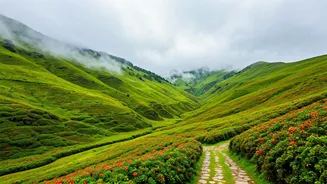
Nestled at a height of 2,240 meters in Tamil Nadu's Nilgiri Mountains, Ooty, also known as Udhagamandalam, offers a captivating blend of colonial architecture,
sprawling pine forests, and ethereal misty vistas. The ideal visiting period spans from October to June, with the months of March to June being particularly pleasant for enjoying its cooler temperatures, ranging from 15 to 25 degrees Celsius. During this time, visitors can witness the vibrant flower shows at the Botanical Gardens in May and embark on invigorating treks amidst clear skies. While the monsoon season from July to September brings lush greenery and cascading waterfalls, it also presents challenging road conditions. Key attractions include the UNESCO World Heritage-listed Nilgiri Mountain Railway, offering a nostalgic toy train journey through eucalyptus groves, and leisurely boat rides on the serene Ooty Lake. For expansive, 360-degree panoramic views, a visit to Doddabetta Peak is a must. The Government Botanical Garden boasts a fascinating 20-million-year-old fossil tree and an impressive collection of rare orchids. Adventure seekers can enjoy speedboat rides at Pykara Falls and Lake, while enthusiasts of the region's signature produce can explore the Tea Gardens and Museum for insightful tours and tastings. Located just 90 kilometers from Coimbatore, Ooty is perfectly suited for a 2 to 3-day immersion in heritage and natural splendor, with cool evenings typically dropping to 5 to 15 degrees Celsius.
Kodaikanal: Princess of Hills
Perched at 2,133 meters in the Palani Hills of Tamil Nadu, Kodaikanal earns its title as the "Princess of Hill Stations" with its enchanting star-shaped Kodaikanal Lake and the pervasive, romantic mist that envelops its pine-clad landscapes. The most opportune time to experience its charm is between October and March, when daytime temperatures hover between 10 and 20 degrees Celsius, reaching their peak coolness in December and February, perfect for attending boating races and enjoying unobstructed views. It is advisable to steer clear of the monsoon months from July to September. Among the prime attractions are the tranquil boating experiences on Kodaikanal Lake, the breathtaking vistas from Coaker's Walk, the vibrant floral displays at Bryant Park, and the dramatic Pillar Rocks cliff formations. For the more adventurous, the Guna Caves offer an intriguing exploration, while the majestic Silver Cascade Falls and the panoramic Dolphin's Nose viewpoint provide stunning natural spectacles. This picturesque destination is easily accessible, being a mere 3-hour drive from Madurai and Coimbatore, making it an excellent choice for a rejuvenating 2-day escape.
Yercaud: Jewel of South
Yercaud, a tranquil hill station situated in the Shevaroyan Hills of Tamil Nadu's Eastern Ghats, is a relatively undiscovered gem located a short 28-30 km from Salem city. Ascending to an elevation of 1,515 meters, it is affectionately known as the "Jewel of the South" or the "Poor Man's Ooty" due to its verdant forests, thriving coffee and orange plantations, and a delightfully cooler climate. The most favorable period to visit this serene locale is from October through March, when the weather is at its most pleasant, offering a refreshing respite from the plains. Its understated beauty and peaceful atmosphere make it an ideal destination for those seeking a less commercialized hill station experience, with opportunities to explore the local flora and agricultural landscapes.
Wayanad: Western Ghats Plateau
Wayanad, a captivating plateau in Kerala's Western Ghats, spans altitudes from 700 to 2,100 meters, presenting a rich tapestry of wildlife sanctuaries, ancient caves, and magnificent waterfalls enveloped by dense forests. The optimal time for visiting this lush region is from October to May, providing excellent conditions for trekking and wildlife safaris. The monsoon months, from June to September, while enhancing the grandeur of the waterfalls, can pose challenges such as leeches and potential landslides. Significant attractions include the Edakkal Caves, adorned with prehistoric carvings, the iconic heart-shaped Chembra Peak, ideal for treks, and Pookode Lake, offering serene boating opportunities. The Banasura Sagar Dam, recognized as Asia's largest earth dam, is another marvel. Nature enthusiasts will also appreciate the breathtaking Meenmutty and Soochipara Falls, the wildlife sightings at Muthanga Wildlife Sanctuary, home to elephants and tigers, and the unique experience of bamboo rafting on Kuruva Island. Situated a convenient 3-hour drive from Calicut, Wayanad is an excellent choice for a 2 to 3-day immersion in nature and wildlife exploration.
Coorg: Scotland of India
Referred to as the "Scotland of India," Coorg in Karnataka, situated at an elevation of 1,150 meters, captivates visitors with its expansive coffee estates and rolling, mist-laden hills. The period between October and March is considered the best time to visit, with temperatures typically ranging from 15 to 28 degrees Celsius. Highlights of this charming region include the majestic Abbey Falls, the picturesque sunset views from Raja's Seat, the serene Namdroling Temple, opportunities to interact with elephants at Dubare, the spiritual Iruppu Falls, exhilarating jeep rides to Mandalpatti, and the trek to Tadiandamol Peak. Coorg is conveniently reachable with a 5-hour drive from Bangalore, making it an ideal destination for a 3-day getaway to escape the urban hustle and bustle.
Munnar: Kerala's Tea Haven
Tucked away in Kerala's Idukki district at an altitude of 1,600 meters, Munnar is a breathtaking expanse of emerald tea plantations that truly embodies the essence of a serene hill station. Its undulating hills, frequent misty mornings, and crisp air, typically between 15-25°C, draw nature enthusiasts from far and wide. The prime visiting season is from October to February, a period highlighted by the blooming of the rare Neelakurinji flowers, which carpet the valleys in vibrant hues, alongside clear trekking trails and lively festivals. Visitors are advised to avoid the monsoon months of July and August, which are prone to landslides. Essential experiences include a visit to Eravikulam National Park, the sanctuary for the endangered Nilgiri Tahr and the starting point for treks to Anamudi, South India's highest peak. Other must-see attractions are Mattupetty Dam, perfect for boat rides amidst sprawling estates, with Echo Point nearby, the Tea Museum that chronicles the history of tea cultivation, and Top Station, offering unparalleled panoramic views of the Western Ghats. Located a scenic 4-hour drive from Kochi, Munnar is ideal for 2 to 3-day retreats blending adventure, tranquility, and the warm hospitality of South India.
Chikmagalur: Coffee Cradle
Chikmagalur, often referred to as the coffee cradle of Karnataka, is situated at an elevation of 1,090 meters in the Western Ghats, presenting a landscape characterized by mist-shrouded peaks and dramatic cascading waterfalls. The most suitable time to visit is between September and March, when temperatures range from 15 to 28 degrees Celsius, with the period from December to February being particularly ideal for trekking and enjoying the blooming flora. The region boasts several significant attractions, including Mullayanagiri Peak, the highest point in Karnataka, the impressive Hebbe Falls, the sacred Baba Budangiri hills, the beautiful Jhari Falls, and the serene Hirekolale Lake. A visit to the Coffee Museum provides fascinating insights into the region's primary export. This destination is perfectly suited for a weekend escape and is conveniently accessible via a 4-hour drive from Bangalore.