







The Rising Threat
Recent events across India highlight a growing concern: honeybee attacks. Incidents range from a fatal swarm attack on a cricket match in Uttar Pradesh
to a health worker succumbing to over 150 stings in Gujarat. Maharashtra has also seen multiple alarming encounters, including at popular tourist spots like Sinhagad Fort and Shivneri Fort, affecting dozens, including a very young child. The severity of these attacks has prompted the Uttar Pradesh government to consider classifying bee attacks as a state-notified disaster, underscoring the urgency and seriousness of the issue. The frequency and intensity of these aggressive behaviors necessitate a deeper understanding of their causes and effective protective strategies.
Species and Behavior
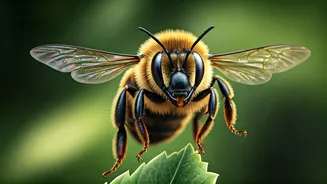
The primary species implicated in these distressing incidents is Apis dorsata, commonly known as the giant rock bee. These bees construct substantial, exposed nests on challenging terrains like cliff faces, historical fort ramparts, and towering trees. Their preference for elevated, secure locations provides a stable and cooler environment for their colonies, which can comprise up to 60,000 individuals. Giant rock bees are characterized by their highly defensive nature. When they perceive a threat, a significant portion of the colony is mobilized to defend their home. A disturbed swarm is capable of pursuing targets at impressive speeds, reaching approximately 35 kilometers per hour, and can chase them over considerable distances. It is crucial to recognize that bees rarely initiate attacks spontaneously; their aggression is almost always a reaction to an external disturbance or a perceived danger. In a remarkable act of self-sacrifice, a bee dies after delivering a sting, acting as a dedicated guardian of the hive.
Triggers for Aggression
Human activities are overwhelmingly the cause of bee attacks, particularly in areas frequented by trekkers and tourists. Bees tend to be more aggressive during the summer months when their colonies are at their peak and their honey-filled hives require robust protection. Common provocations include actions like throwing stones, operating drones in close proximity to a hive, generating loud noises, or congregating in narrow trails where nests might be concealed. Additionally, activities such as lighting bonfires, cooking, or smoking near a hive can severely agitate a colony. Bees are highly sensitive to strong scents, and perfumes, scented lotions, hair oils, and even incense sticks can attract them and escalate their defensive responses. A particularly frequent trigger involves tourists venturing too close to photograph hives, often with selfie sticks, a proximity the bees interpret as a direct and imminent threat to their colony.
Dangers of Stings
While a single bee sting typically results in localized pain and swelling, which is generally manageable for most healthy adults, the danger escalates dramatically during a swarm attack. The sheer volume of hundreds of simultaneous stings can induce toxic shock, even in individuals who do not have a known allergy to bee venom. The risk is significantly amplified for vulnerable populations such as children, the elderly, and those with pre-existing health conditions. For individuals with bee venom allergies, even a small number of stings can precipitate a life-threatening anaphylactic reaction. This severe allergic response is characterized by rapid swelling of the throat, a dangerous drop in blood pressure, and acute breathing difficulties, all of which can be fatal. The remote locations of many bee attack incidents, often in hilly or forested areas, mean that emergency medical assistance may be delayed, making immediate and appropriate action absolutely critical.
Protective Measures
When venturing into areas known for bee activity, it's vital to take precautionary steps. Before embarking on a trek, avoid using strong perfumes, scented lotions, or heavily fragranced sunscreens. If you encounter persistent buzzing sounds near a cliff, wall, or tree, it's best to move away slowly and deliberately, avoiding any sudden movements. Do not shout, throw objects, attempt to photograph the hive, or start fires in areas where nests might be present, especially in rocky or forested sections. These actions can easily provoke an aggressive response from the bees. Adhering to these guidelines can significantly reduce the likelihood of a dangerous encounter.
Responding to an Attack
If you find yourself the target of a bee attack, immediate action is crucial for survival. Your first priority should be to run as quickly as possible towards an enclosed space, such as a building, a vehicle, or dense shrubbery, to seek refuge. It is imperative that you do not swat at the bees, as this action releases alarm pheromones, chemical signals that attract more bees to the area and intensify the attack. If escaping to an enclosed space is not feasible, your next best option is to protect your face and vital organs by covering them with thick clothing. Once you have reached a safe location, carefully remove the stingers by scraping them out sideways using a fingernail or the edge of a card; avoid pinching or pulling them out, as this can inject more venom. Apply ice to the affected areas to help reduce swelling. It is essential to seek immediate medical attention if the victim is a child or elderly person, has sustained multiple stings, or exhibits any signs of anaphylaxis, including throat tightness, difficulty breathing, dizziness, or vomiting.