






Defining Acceptable Noise
To effectively tackle noise pollution, Uttar Pradesh has established clear decibel limits for different zones across the state. In residential areas, a maximum
of 55 decibels is permitted during daylight hours and a stricter 45 decibels at night. Silence zones, encompassing areas around sensitive locations like hospitals, courts, and schools, have even lower thresholds, capped at 50 decibels by day and 40 decibels by night. For more bustling environments, industrial zones can tolerate up to 75 decibels during the day and 70 at night, while commercial areas have limits of 65 decibels during the day and 55 at night. These defined benchmarks serve as the foundation for enforcement actions, ensuring a standardized approach to monitoring and controlling sound levels within communities and public spaces.
On-Ground Enforcement Measures
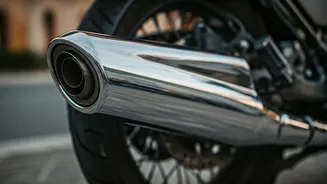
The new Standard Operating Procedure (SOP) mandates an intensified on-ground enforcement strategy. Traffic and civil police, in collaboration with transport officials, will conduct more frequent vehicle inspections. A key aspect of these checks will be the on-the-spot measurement of sound levels emitted by vehicles. This proactive approach aims to identify and address violations swiftly. Beyond modified exhaust systems, the SOP also targets unnecessary honking, particularly at busy intersections and within designated silence zones. Any equipment found to be in violation of noise standards, such as illegal horns or modified silencers, will be confiscated, and offenders will face legal consequences. However, an exemption is provided for emergency vehicles to ensure their operational readiness.
Controlling Illegal Modifications
Beyond direct enforcement on roads, Uttar Pradesh is also tightening its grip on the manufacturing and sale of noise-amplifying vehicle parts. Authorities are mandating rigorous and unannounced inspections of shops, garages, and workshops that deal with vehicle modifications. The aim is to curb the proliferation of modified silencers and pressure horns that contribute significantly to noise pollution. This includes bringing foreign-made vehicles, which may exceed the standard 80-decibel limit, in line with Indian noise regulations. Garages and workshops will be required to prominently display warning notices about the illegality and risks associated with such modifications, fostering a sense of responsibility among businesses and mechanics involved in vehicle servicing and customization.
Public Awareness and Reporting
To foster a collective effort against noise pollution, Uttar Pradesh is launching comprehensive public awareness campaigns. These campaigns will utilize various media channels, including newspapers, FM radio, and social media platforms, to educate citizens about the detrimental health effects and societal impact of excessive noise. Furthermore, the SOP introduces accessible channels for public participation in curbing violations. A dedicated helpline and an online portal will be established, allowing citizens to anonymously report instances of noise pollution. To facilitate more detailed reporting, a mobile application will be developed, enabling users to submit evidence of violations through photos or videos, thereby empowering the community to be active participants in creating quieter environments.
Legal Penalties and Consequences
The new SOP integrates stringent penalties under the Motor Vehicles (MV) Act to deter violations. Vehicle manufacturers, importers, or dealers found making unauthorized alterations face severe repercussions, including up to one year of imprisonment and fines of up to Rs 1 lakh per vehicle. Vehicle owners who have made such modifications can expect imprisonment of up to six months and fines up to Rs 5,000 per alteration. Unnecessary use of horns or exhaust systems will result in a Rs 1,000 fine for the first offense and Rs 2,000 for subsequent offenses. Driving a vehicle that violates prescribed noise standards carries penalties of up to three months imprisonment and a Rs 10,000 fine for the first offense, with potential disqualification from holding a driving license for up to three months. Repeat offenders face even harsher penalties, including imprisonment up to six months and higher fines.