





Importance of a Jacket
The winter jacket is more than just a piece of clothing; it's a critical component for surviving the cold season. Properly chosen jackets protect against
low temperatures, wind, and precipitation. This protection ensures comfort and prevents the potential health risks of exposure to cold weather. Beyond functionality, the correct jacket enhances a man's style, providing a polished look that combines practicality with aesthetic appeal. Selecting the right jacket involves carefully considering factors like insulation type, water resistance, and overall design, aligning with individual needs and style preferences. A well-chosen jacket enhances confidence, allowing individuals to confidently embrace the winter months.
Jacket Insulation Options
The insulation of a winter jacket determines its ability to trap heat and keep the wearer warm. There are several insulation types, each with unique features. Down insulation, derived from duck or goose feathers, provides outstanding warmth-to-weight ratio and is highly compressible, making it ideal for extremely cold conditions. However, down can lose its insulating properties when wet, so it's often combined with a water-resistant outer shell. Synthetic insulation, made from polyester fibers, offers a water-resistant alternative that maintains warmth even when wet. It's generally more affordable and easier to care for than down. Hybrid jackets combine down and synthetic insulation, leveraging the benefits of both materials. The choice between down and synthetic depends on the climate, activity level, and personal preference, making an informed decision crucial.
Water Resistance Features
Water resistance is a crucial feature in winter jackets, safeguarding against rain and snow. Jackets are rated based on their waterproof and breathable capabilities, typically measured in millimeters. The higher the rating, the more resistant the jacket is to water penetration. Waterproof jackets often use a membrane technology, such as Gore-Tex, which creates a barrier against water while allowing sweat vapor to escape, offering breathability. Water-resistant jackets are treated with a durable water repellent (DWR) coating, causing water to bead up and roll off the fabric. Seam-sealed construction is also vital, preventing water from seeping through the seams. When selecting a jacket, consider the typical weather conditions and the level of protection needed, ensuring comfort in wet conditions.
Considering Style and Fit
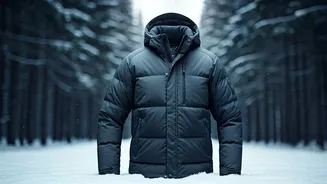
Style and fit play a significant role in choosing the perfect winter jacket, reflecting personal taste and ensuring a comfortable wearing experience. Jackets are available in various styles, including parkas, which provide full coverage and warmth, and bomber jackets, known for their sporty and casual look. Puffer jackets offer a lightweight, insulated design that traps heat effectively, while trench coats combine style and weather protection. The fit of a jacket should allow for layering underneath without restricting movement. A tailored fit offers a sleek and modern appearance, while a more relaxed fit provides room for thicker layers. Paying attention to details such as the length of the sleeves and the presence of adjustable features enhances both the style and comfort of the jacket, ensuring it perfectly complements one's personal style.
Essential Jacket Features
Selecting a winter jacket involves considering specific features that enhance functionality and usability. Hoods, whether fixed or detachable, provide extra protection against wind and snow. Pockets, both internal and external, offer convenient storage for essentials like gloves, phones, and wallets. Adjustable cuffs and hems allow for a customized fit, preventing cold air from entering the jacket. Zippers should be sturdy and easy to operate, even with gloves on. Some jackets include features like a fleece-lined collar for added comfort. Reflective details enhance visibility in low-light conditions, enhancing safety during evening activities. Examining these features helps in selecting a jacket that perfectly suits individual needs, ensuring both comfort and practicality during the winter months.
Caring for Your Jacket
Proper care and maintenance are essential for extending the lifespan of a winter jacket and preserving its performance. Always follow the manufacturer's care instructions for washing and drying the jacket. Down-filled jackets usually require specialized care, often involving professional cleaning or specific detergents designed for down. Synthetic insulation jackets can usually be washed at home, using a gentle cycle and mild detergent. Regularly clean the jacket to remove dirt and grime, which can impact its water resistance and insulation. Reapply the DWR coating as needed to maintain its water-repellent properties. Store the jacket in a cool, dry place when not in use, and avoid compressing it for extended periods to maintain its loft and insulation. Implementing these care practices ensures the jacket remains in top condition for seasons.