


Makeup: A Lifelong Journey
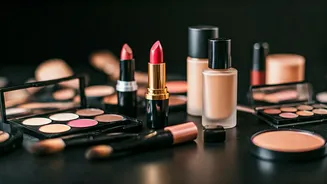
Sudhaa Chandran's recent comments reveal the long-standing significance of makeup in her life. Her words, 'marte dum tak...' highlight a commitment that
goes beyond mere aesthetics. This perspective allows us to understand makeup not just as a tool for appearance, but as an integral part of her identity, influencing her self-expression. The phrase reflects a deep emotional link, signaling the joy and personal affirmation derived from its application. This connection prompts further consideration of makeup's role in personal narratives.
Decoding Her Sentiment
A psychologist analyzing Chandran's remarks might emphasize the psychological aspects of this attachment. Makeup is often seen as a form of self-care and an avenue for creative expression. Chandran's words might indicate that she sees makeup as a ritual, providing comfort and self-assurance. The 'marte dum tak...' declaration underscores the power of makeup to shape how individuals perceive themselves and project themselves to the world. A psychologist could find this view meaningful, as it reveals the way makeup impacts self-esteem and identity.
Makeup's Emotional Significance
For many, makeup serves as a confidence booster and a means of self-expression. Chandran's case may be a reflection of how makeup can represent control and agency. In challenging or demanding situations, the act of applying makeup might provide a sense of stability and empowerment. The enduring nature of her relationship with makeup, as expressed, speaks to its importance in navigating her personal experiences. The use of cosmetics can become a form of art, with individuals creating their unique style and asserting their individuality.
A Cultural Perspective
In Indian culture, makeup often has connections to tradition, celebrations, and various forms of expression, particularly in entertainment. Sudhaa Chandran's perspective may also be viewed through this lens. Makeup could enhance her professional work as an actress and dancer. Her stance may align with a wider cultural context, where makeup represents an important component in self-presentation and is an essential feature in performances. The sentiment is a relatable idea, that aligns with the country's cultural attitudes towards beauty and self-expression.