






AI & Skill Identification
Artificial intelligence is changing the way skills are being identified in India's job market. Traditional methods often rely on resumes and interviews,
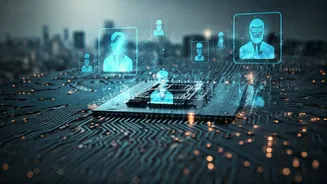
which can be subjective and time-consuming. AI algorithms analyze data from various sources, including job descriptions, online courses, and professional networks, to identify the skills that are most in demand. AI can also assess the skills of potential candidates more accurately by analyzing their online profiles, coding projects, and previous work experience, providing a more comprehensive view of their capabilities. This leads to better matching of skills to job roles, creating a more efficient and effective hiring process. The use of AI also helps to reduce bias in the recruitment process, as algorithms can be designed to remove irrelevant factors such as gender or ethnicity.
Assessing Skill Sets
The assessment of skills is also being revolutionized by AI. Automated tools and platforms are using AI to evaluate candidates' skills through online tests, simulations, and coding challenges. These methods provide a more objective and standardized assessment compared to traditional methods. AI can also analyze a candidate's performance on these tests to identify their strengths and weaknesses, providing valuable feedback for skill development. AI-powered assessment tools allow recruiters to quickly and efficiently assess a large number of candidates, reducing the time and cost of the hiring process. Moreover, AI can tailor assessments to the specific requirements of the job role, ensuring that the candidates' skills match the needs of the employer. This helps improve the quality of hires and reduce the risk of hiring unsuitable candidates.
Matching Roles with Skills
AI is playing a crucial role in matching candidates with the right job roles. AI-powered platforms can analyze a candidate's skills, experience, and interests to recommend suitable job openings. AI algorithms can also identify the skills gaps in a candidate's profile and recommend training programs to help them upskill or reskill. This helps candidates to find jobs that align with their skills and career goals, while also helping employers find qualified candidates. By using AI-powered matching tools, companies can reduce their time-to-hire and improve their hiring efficiency. Furthermore, AI can provide insights into the skills that are most in demand in the market, helping candidates and employers to make informed decisions about skill development and recruitment strategies. AI-driven matching also contributes to increased employee retention by helping employees find jobs that are a good fit for their skills and interests.
Future of Work
Looking ahead, the integration of AI in India's job market will continue to evolve, reshaping the future of work. As AI becomes more sophisticated, it will automate more tasks, leading to changes in job roles and skill requirements. The focus will shift towards soft skills like communication, problem-solving, and critical thinking, as these are harder for AI to replicate. Individuals need to embrace lifelong learning and continuous skill development to remain competitive. Businesses must invest in reskilling and upskilling their workforce. Governments and educational institutions should adapt their programs to equip the workforce with the skills needed for the future job market. By embracing these changes, India can harness the full potential of AI and create a dynamic and innovative job market.