



The Crimson Celestial Show
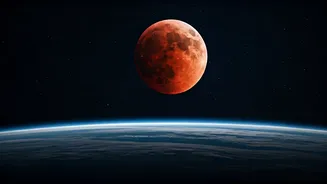
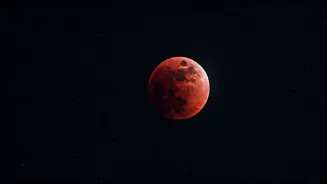
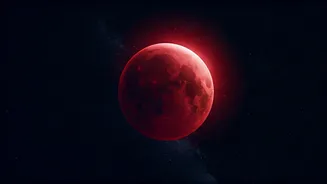
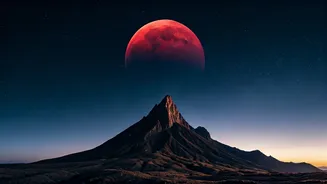
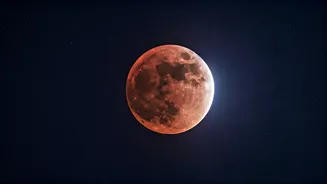
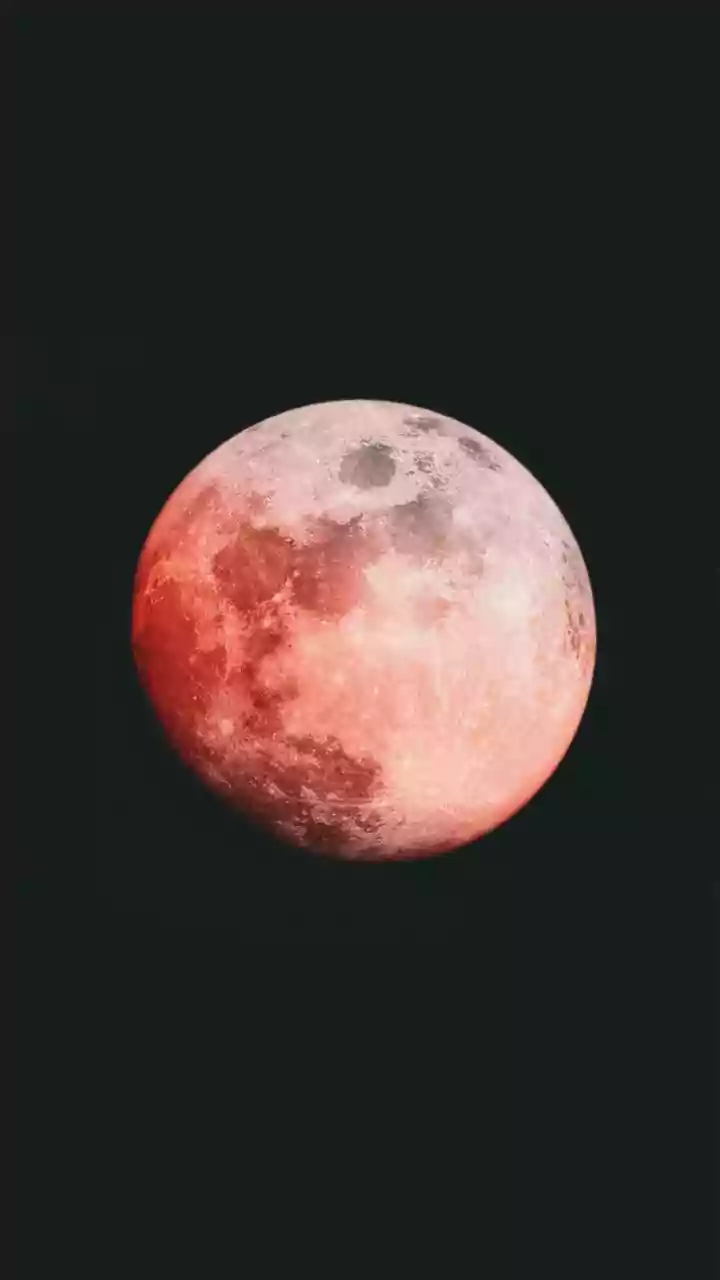
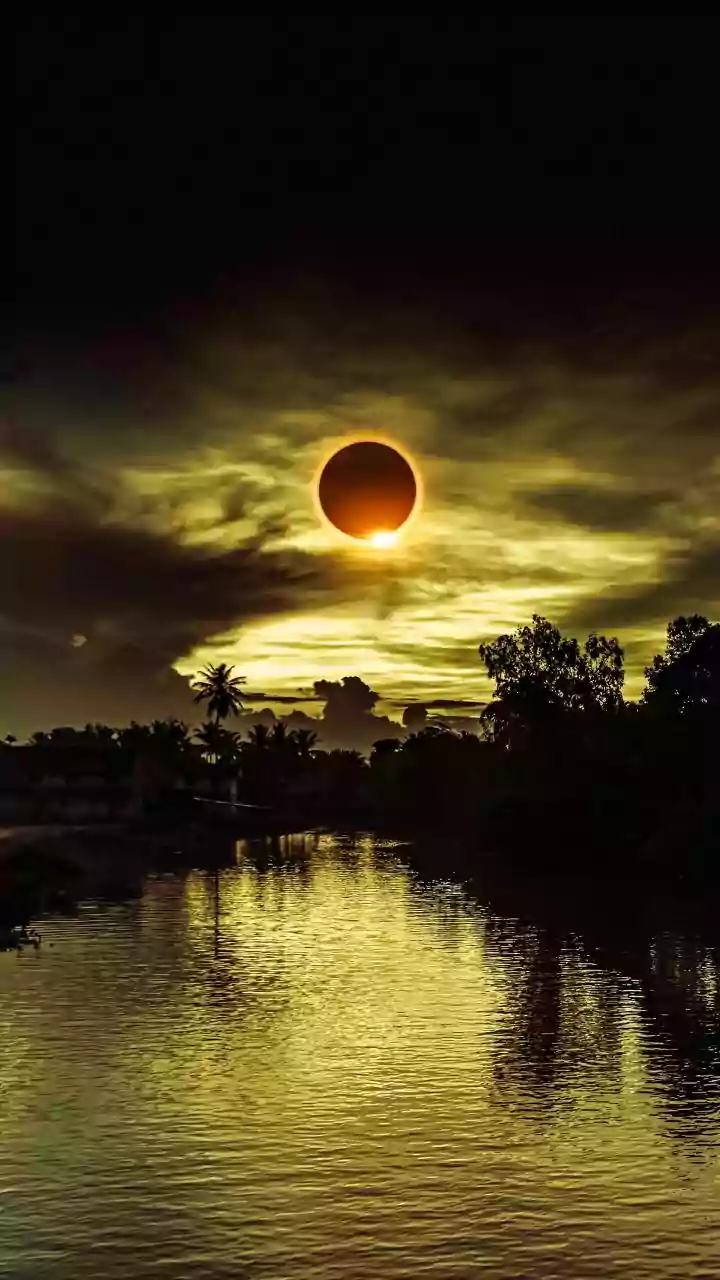
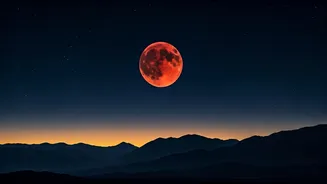
Prepare to be mesmerized as the 2026 total lunar eclipse unfolds, an event that transforms our familiar Moon into a captivating 'Blood Moon.' This phenomenon
occurs when the Earth positions itself directly between the Sun and the Moon, casting its shadow upon our lunar neighbor. During totality, the Moon doesn't disappear entirely; instead, it takes on a distinct reddish or coppery glow. This enchanting color is a result of sunlight being filtered and refracted through Earth's atmosphere, scattering away the bluer wavelengths and allowing the red light to reach the Moon's surface. The intensity and specific shade of red can vary depending on atmospheric conditions on Earth, such as dust and cloud cover. Observing this event offers a profound connection to cosmic cycles, reminding us of the intricate dance between celestial bodies that governs our night sky and provides a truly unforgettable visual experience for skygazers.
Top 5 Viewing Havens
To truly appreciate the spectacle of the 2026 total lunar eclipse and its vibrant 'Blood Moon,' selecting the right location is paramount. Among the prime spots identified for this celestial event are the Atacama Desert in Chile, the Namib Desert in Namibia, the Australian Outback, the Canary Islands in Spain, and the Himalayas in Nepal. Each of these locations boasts exceptionally dark skies, free from significant light pollution, which is crucial for maximizing visibility of lunar and stellar phenomena. The Atacama Desert, renowned for its arid climate and high altitude, offers crystal-clear atmospheric conditions perfect for astronomical observation. Similarly, the vast, sparsely populated Namib Desert in Africa provides an unspoiled canvas for the night sky. Australia's remote Outback offers expansive, dark horizons, while the Canary Islands, with their established observatories and clear Atlantic air, are a favored destination for astronomers. Finally, the majestic Himalayas in Nepal provide a dramatic mountainous backdrop, elevating the experience to an almost spiritual level for those who venture there to witness this rare lunar display.
Atacama Desert, Chile
The Atacama Desert in Chile stands out as an astronomer's paradise, making it an exceptional location to witness the 2026 total lunar eclipse. This incredibly arid region, one of the driest places on Earth, experiences very little cloud cover, offering exceptionally clear skies for extended periods. Its high elevation further contributes to its superb viewing conditions, as it places observers above a significant portion of Earth's atmospheric distortion. The minimal light pollution from human settlements in the vast desert landscape ensures that the faintest celestial details are visible, including the subtle nuances of the 'Blood Moon.' For anyone seeking an unobstructed, pristine view of the eclipse, the Atacama provides an unparalleled natural observatory, amplifying the magic of the phenomenon with its pristine, star-studded heavens and dramatic desert vistas.
Namib Desert, Namibia
Venture to the Namib Desert in Namibia for an equally stunning and unpolluted vantage point for the 2026 total lunar eclipse. This ancient desert, characterized by its towering sand dunes and vast, open spaces, offers some of the darkest skies on the planet. The remote nature of the Namib means that artificial light is virtually non-existent, allowing the 'Blood Moon' and the surrounding starfield to shine with incredible intensity. The stark beauty of the desert landscape provides a dramatic foreground to the celestial performance, creating a truly immersive experience. Observers can expect breathtaking panoramas of the lunar event unfolding over the dunes, making it a remarkable destination for photographers and stargazers alike who seek an authentic connection with the cosmos in a pristine natural setting.
Australian Outback, Australia
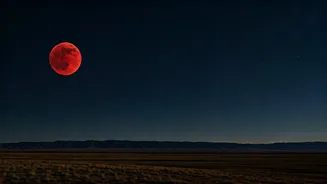
The vast expanse of the Australian Outback presents a phenomenal opportunity to witness the 2026 total lunar eclipse. This immense inland region is characterized by its low population density and minimal light pollution, creating ideal conditions for astronomical observation. The wide-open horizons of the Outback allow for uninterrupted views of the entire celestial arc, ensuring you won't miss any part of the Moon's transformation into a 'Blood Moon.' Imagine watching the dramatic shift in lunar color against the backdrop of the iconic Australian landscape – a truly unique and memorable experience. The dryness of the climate in many parts of the Outback also contributes to clearer skies, further enhancing the visibility of this spectacular lunar event for all who travel to its remote, dark reaches.
Canary Islands, Spain
For those seeking a blend of accessible infrastructure and exceptional dark skies, the Canary Islands, a Spanish archipelago off the coast of Northwest Africa, are a superb choice for the 2026 total lunar eclipse. Islands like La Palma and Tenerife are home to world-class astronomical observatories, testament to their favorable viewing conditions. The islands benefit from a stable atmosphere and a lack of light pollution, particularly in their mountainous interiors and less populated coastal areas. The clear Atlantic air provides excellent transparency, allowing the 'Blood Moon' to display its full crimson glory. The combination of stunning natural beauty and scientifically proven dark skies makes the Canaries a top-tier destination for both amateur and professional astronomers eager to experience this celestial wonder.
Himalayas, Nepal
Elevate your viewing experience of the 2026 total lunar eclipse by venturing to the majestic Himalayas in Nepal. The sheer altitude and remote, mountainous terrain offer some of the purest and darkest skies available on Earth. Away from the glow of civilization, the Himalayas provide an awe-inspiring setting for celestial events, with the 'Blood Moon' appearing to hang amongst the world's highest peaks. This location not only promises exceptional visibility due to the minimal light pollution and clear, crisp air at high altitudes but also imbues the experience with a profound sense of wonder and tranquility. Observing the eclipse from such a breathtaking and sacred landscape offers a unique spiritual dimension to appreciating the cosmos.