






Luxury Beyond Thirst
The digital realm often magnifies extraordinary claims, and the notion of water priced at lakhs of rupees is a prime example, sparking widespread curiosity.
This idea resonates deeply because it taps into a fantasy where even essential needs become markers of extreme wealth, accessible only to the very elite. However, the reality behind this sensational price tag is far more complex, involving a sophisticated interplay of artistic expression, strategic branding, and the power of perception. Social media's appetite for novelty and surprise readily embraces the image of affluent individuals consuming water that costs more than many vehicles. These narratives, often presented without context, can quickly morph speculation into accepted fact, fueling public fascination with the opulent lifestyles of the super-rich. The central question then becomes whether these glimpses are authentic windows into elite existence or carefully orchestrated illusions designed for maximum online impact and engagement.
Artistry in a Bottle
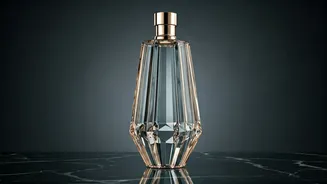
At the pinnacle of this ultra-luxury market resides a creation that redefines the very concept of expensive water: Acqua di Cristallo Tributo a Modigliani. This remarkable beverage holds the Guinness World Record for the most expensive bottle of water ever sold, commanding a price of nearly ₹50 lakh for a mere 750ml. To simply label it 'water' would be an understatement; it functions more as a coveted collectible, an artifact suited for display in a prestigious gallery or secure vault rather than for everyday consumption. Its exceptional value stems not only from its scarcity but also from its profound artistic concept. Conceptualized by Fernando Altamirano, the bottle itself is a direct homage to the renowned Italian artist Amedeo Modigliani. Its elegant, elongated form is a sculptural interpretation that strongly evokes Modigliani’s distinctive artistic style, particularly reminiscent of his iconic "Head of a Woman" series. This seamless integration of high art and product design elevates the bottle beyond a mere container, transforming it into a sophisticated conversation piece that skillfully blurs the boundaries between artistic creation and commercial enterprise.
Global Sourcing Secrets
The water contained within this extraordinary bottle is a meticulously crafted blend sourced from three distinct global locations: Fiji, France, and Iceland. Each origin is selected for its unique purity and specific mineral profile, creating a harmonious fusion of tropical spring water, the rich heritage of European sources, and the pristine freshness of glacial meltwater. This deliberate global curation process further amplifies the product's exclusivity. It transforms the water into a symbolic representation of Earth's most pristine and esteemed natural offerings, gathered from across the planet. Adding to its opulent character, the water is infused with 5 milligrams of 23-carat gold dust. While proponents suggest this contributes to alkalinity and enhanced vitality, its true allure lies in its symbolic power. The act of consuming gold is less about purported health advantages and more about making an unequivocal statement—a bold declaration of immense wealth, unbridled indulgence, and the desire to possess something exceptionally rare that few individuals on Earth can claim.
Viral Myth Debunked
The narrative surrounding this exclusive water gained significant traction in India following a viral image that seemed to depict an IPL team owner holding the golden bottle during a match. However, the actual story behind this widely shared visual is quite different. The original photograph, captured in 2015, actually featured a common, disposable plastic water bottle. Through digital manipulation, this ordinary bottle was replaced with the luxurious, gold-infused vessel, thereby fabricating a compelling yet untrue story that rapidly disseminated across various online platforms. This incident serves as a clear illustration of how easily misinformation can be propagated and how effectively it can shape public perception, even when based on entirely fabricated content. Despite its astronomical price, this "Golden Water" is not intended for routine consumption. Its notable appearances have included a 2010 auction where it fetched $60,000, with the proceeds channeled towards environmental causes. This highlights its true positioning not as a daily indulgence, but as a prestigious collector's item and a philanthropic symbol, showcasing how fundamental elements of life can be reimagined into extraordinary artistic expressions in a world driven by aspiration and captivating narratives.