


A World Afloat
Imagine a landscape that gently sways beneath your feet, a sensation unlike any other. This is the reality at Keibul Lamjao National Park in Manipur, India,
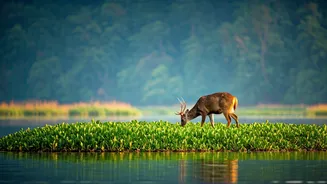
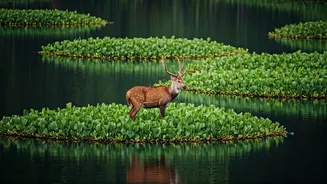
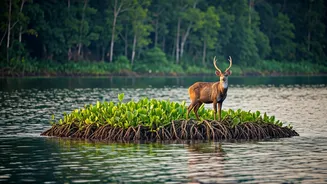
a place where the very ground is alive. Nestled on Loktak Lake, Northeast India's largest freshwater expanse, this 40-square-kilometer sanctuary is renowned for its unique foundation: phumdis. These are not mere islands, but thick, buoyant mats of interwoven vegetation that constantly shift and move with the ebb and flow of the seasons and the lake's currents. The experience of visiting is profoundly immersive, characterized by a crisp, refreshing breeze, a pervasive, tranquil quietude broken only by the calls of birds, and an overwhelming sense of nature's extraordinary artistry. It's a destination that invites you to pause, breathe, and simply absorb the sheer wonder of its existence, offering a truly unforgettable encounter with the natural world.
Encountering the Sangai
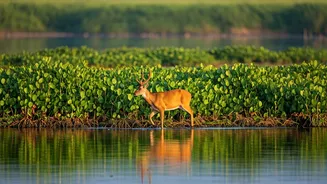
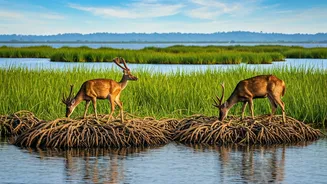
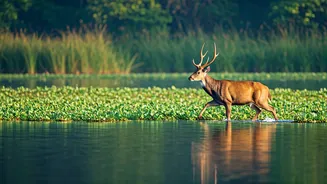
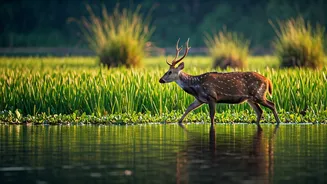
The undisputed jewel of Keibul Lamjao is the Sangai, Manipur's endemic brow-antlered deer, affectionately known as the 'dancing deer'. Observing these magnificent creatures is a highlight for any visitor. Their movements across the undulating phumdis are a spectacle of delicate grace; each step is measured and light, perfectly adapted to their ethereal, floating habitat. Being critically endangered, the Sangai's presence is a precious gift, and any sighting is imbued with a sense of magic. Their dance on the water's surface is mesmerizing, a testament to their resilience and unique evolutionary path. This rare wildlife encounter is deeply moving, often leaving observers breathless with awe and a profound appreciation for this singular species that thrives only within the confines of this remarkable floating ecosystem.
Life on the Lake
Beyond the captivating Sangai, Keibul Lamjao teems with a diverse array of life, painting a vibrant picture of wildlife and lake ecosystem dynamics. The park is a haven for over 100 species of birds, their presence adding a melodious soundtrack to the serene environment. Birdwatchers will find ample opportunity for observation, with various species flitting through the mist-laden air or gliding over the water. The surrounding landscape, intertwined with the lake's waters and the floating phumdis, supports a rich biodiversity. Even if the Sangai remains elusive, the constant activity of the avian population and the general ambiance of the park ensure that there is always something captivating to behold. The local way of life is intrinsically linked to the lake, with communities often relying on its resources, further enriching the cultural and ecological tapestry of the region.
Planning Your Visit
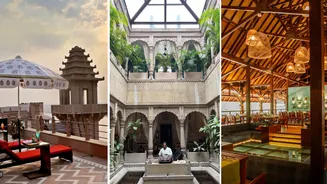
To experience Keibul Lamjao at its finest, planning your trip is key. The best time to visit is typically between November and March, when the skies are clear, the waters of Loktak Lake are calm, and wildlife is generally more active. This period offers pleasant weather conditions for exploring the park. It is advisable to avoid the monsoon season, which usually spans from June to September, as the increased water levels can make navigation unpredictable and potentially impact the stability of the phumdis. Most travelers arrive via Imphal International Airport, followed by a relatively short drive to reach the vicinity of Loktak Lake. While there are no accommodations situated directly within the park, visitors can find lodging in the nearby areas. The local cuisine, deeply rooted in the region's agricultural and aquatic bounty, offers a flavorful extension of the overall natural experience.