







Understanding Ayurvedic Cooking
Ayurveda, the ancient Indian system of medicine, emphasizes the harmony between the body, mind, and spirit through food. Ayurvedic cooking uses ingredients
and methods that promote balance and well-being. Central to this practice are the six tastes: sweet, sour, salty, pungent, bitter, and astringent, each with its own influence on the doshas or body types—Vata, Pitta, and Kapha. Ayurvedic recipes often include medicinal herbs and spices known for their therapeutic properties, such as turmeric, ginger, and cumin. These recipes not only enhance the flavors of the dishes but also support digestive health, boost immunity, and reduce inflammation. Furthermore, the way food is prepared, the utensils used, and the timing of meals are all considered important aspects of Ayurvedic cooking. The focus is on fresh, seasonal ingredients prepared in a way that preserves their nutritional value.
Turmeric and Ginger Latte
Kick off with the Turmeric and Ginger Latte, a revitalizing beverage packed with antioxidants. The recipe starts with simmering fresh ginger and turmeric in water to extract their potent compounds. Next, you strain the mixture and blend the infused water with plant-based milk, such as almond or coconut milk. The combination offers anti-inflammatory benefits and a soothing effect on the body. Honey or a natural sweetener can be added to enhance the taste. For an extra touch, you can sprinkle some cinnamon or a pinch of black pepper to improve absorption of curcumin from the turmeric. This latte is not just a comforting drink but also a morning ritual that supports overall health and vitality.
Kitchari: The Cleanser
Kitchari, a staple in Ayurvedic cooking, is a nourishing and cleansing dish. The basic recipe involves combining basmati rice and mung dal, cooked together with spices like cumin, coriander, and turmeric. This combination is easy to digest and promotes balance for all doshas. Begin by sautéing spices in ghee (clarified butter) to release their flavors. Then, add the rice and dal and cook until tender, adding water or broth to reach your preferred consistency. Kitchari is often served with a side of vegetables to provide additional nutrients. It’s used to detoxify the body, enhance digestion, and support the immune system. Consuming kitchari for a few days can help cleanse the digestive system and promote better overall health.
Triphala Ghee Preparation
Triphala Ghee is an Ayurvedic remedy made from clarified butter infused with Triphala, a blend of three fruits: Amalaki, Bibhitaki, and Haritaki. This preparation supports detoxification and promotes digestive health. The process starts by gently heating ghee and adding Triphala powder. Simmering the mixture allows the ghee to absorb the medicinal properties of the herbs. After simmering, the mixture is strained to remove the herbal residue, leaving behind the infused ghee. Triphala Ghee is traditionally taken before bed to support bowel movements and promote restful sleep. It is known for its gentle yet effective cleansing properties and is a cornerstone of Ayurvedic digestive support. It can also be used topically for skin health.
Amla Chutney Benefits
Amla, or Indian gooseberry, is a rich source of Vitamin C and antioxidants, often used in Ayurvedic practices. Amla Chutney offers an easy way to integrate this beneficial fruit into your diet. The chutney can be prepared by blending fresh amla with ginger, green chilies, and a mix of spices, such as cumin, coriander, and turmeric. You can also add a bit of jaggery or honey to balance the tartness of the amla. This chutney is known for its immune-boosting properties and is also beneficial for digestive health and improving skin radiance. Enjoy it as a side dish with your meals to enhance both flavor and health benefits.
Herbal Tea Infusions
Herbal tea infusions are a fundamental element in Ayurvedic wellness, focusing on specific herbs to address various health needs. For instance, Tulsi (holy basil) tea is known for its stress-reducing and immune-boosting qualities, while ginger tea aids in digestion and reduces inflammation. Other herbs like Brahmi, which is good for cognitive functions, and Shatavari, beneficial for women's health, are commonly used. Creating a herbal tea involves steeping dried herbs in hot water for a period, allowing the beneficial compounds to be extracted. You can customize these infusions to suit your personal needs, with each herb offering a distinct therapeutic benefit. Sip it throughout the day for a calming effect and overall wellness boost. Consider combining several herbs to maximize the health advantages.
Spice Blends and their Impact
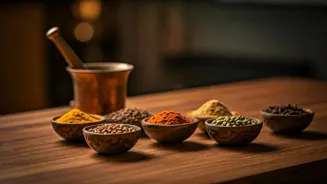
Ayurvedic recipes depend heavily on the strategic use of spices. Incorporating different spices into your cooking provides both flavor and significant health benefits. For instance, turmeric, with its potent anti-inflammatory curcumin, is a vital ingredient in many dishes. Cumin and coriander aid in digestion, while cardamom adds warmth and improves breath. Different spice blends are tailored to balance the doshas, ensuring the recipes are suitable for individual needs. This approach helps in creating balanced meals that support digestion, boost metabolism, and enhance the absorption of nutrients. Experimenting with these spice blends allows you to customize the recipes to fit individual taste preferences and wellness goals, enhancing your cooking experience while focusing on health.