






Understanding Winter Jackets
Winter jackets are essential for battling the chill, but selecting the right one involves more than just picking a color you like. The primary function
of a winter jacket is to provide insulation against cold temperatures, wind, and often, precipitation. This insulation is typically achieved through various materials, including down, synthetic fibers, and wool blends. Down is known for its exceptional warmth-to-weight ratio, while synthetic fibers offer good performance even when wet. Wool blends offer a natural option with good breathability. Understanding these core materials and their respective properties is the first step toward finding a jacket that fits your lifestyle. Beyond insulation, a good winter jacket should also offer protection from the elements. This often involves features such as a waterproof or water-resistant outer shell, sealed seams, and a hood to keep the head and face shielded from wind and snow. The fit of the jacket is crucial as well; it needs to allow for layering underneath and facilitate freedom of movement. Consider the jacket's intended use: is it for everyday wear, outdoor activities, or more formal occasions? This will influence the style, features, and level of protection required. Different styles, such as parkas, puffers, and fitted jackets, each cater to various needs and aesthetic preferences. Remember, the ideal winter jacket is a balance of function, comfort, and style, ensuring warmth while complementing your personal fashion sense.
Smart Layering Techniques
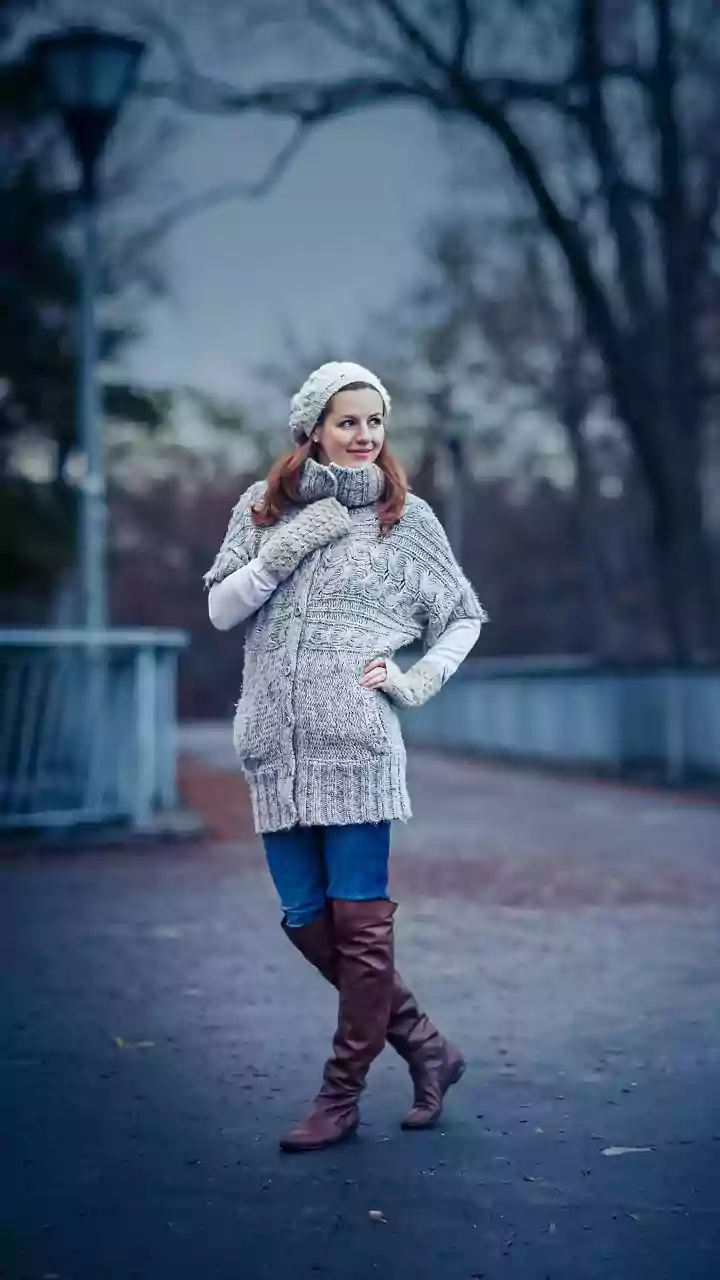
Layering is key to maximizing the effectiveness of your winter jacket. It involves wearing multiple garments, each serving a specific purpose, to trap body heat and create a barrier against the cold. The base layer, in direct contact with your skin, should wick away moisture to keep you dry and comfortable. Fabrics like merino wool or synthetic materials are excellent choices for this, as they efficiently draw sweat away from the body. The mid-layer, the heart of the layering system, provides the primary insulation. Fleece, down, or insulated synthetic jackets or vests are popular options. This layer traps warm air, providing the bulk of the warmth. The type of mid-layer you choose will depend on the expected weather conditions and your level of activity. On very cold days, you might layer multiple mid-layers. The outer layer, typically your winter jacket, protects you from the elements. It should be windproof and ideally waterproof to prevent the wind and moisture from penetrating. Consider the features of your jacket when layering. Pockets and adjustable cuffs can enhance warmth and functionality. The overall goal is to create a system that allows you to easily adjust your warmth level by adding or removing layers as the temperature changes or your activity level increases. By mastering these layering techniques, you can ensure that you stay warm and comfortable in all winter weather conditions, maximizing the performance of your winter jacket.
Everyday Style Considerations
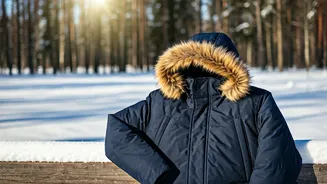
Beyond practicality, the style of your winter jacket is important. The jacket you choose should complement your personal style and fit into your everyday life. Consider the overall aesthetic that you want to portray. Do you prefer a classic look with a tailored coat, or a more casual vibe with a puffer jacket? The length of the jacket can also influence its versatility. Longer jackets offer more coverage and warmth, while shorter jackets can provide greater mobility. Think about the colors and patterns. Neutral colors like black, navy, and olive green are versatile and easy to pair with other items in your wardrobe, while brighter colors and patterns can add a pop of personality. Consider the details. Features like a faux fur trim on the hood, interesting stitching, or unique pocket designs can add visual interest to your jacket. Think about the activities you will be doing while wearing the jacket. If you are commuting or spending a lot of time outdoors, a practical jacket with waterproof and windproof capabilities may be more important than the specific style. If the jacket is intended for more casual wear, you can focus on fit and design. When shopping, think about the other items in your closet. Choose a jacket that will coordinate with your existing clothing to maximize the number of outfit possibilities. The best winter jacket for you will be one that not only keeps you warm but also makes you feel confident and stylish, reflecting your personal taste and lifestyle.
Types of Winter Jackets
Several styles of winter jackets cater to different needs and preferences. Parkas are typically long, insulated jackets designed for extreme cold. They often feature a hood, a fur or faux fur trim, and multiple pockets for storing essentials. Their length offers excellent protection from the elements, making them ideal for very cold temperatures and outdoor activities. Puffer jackets, characterized by their quilted design and puffy appearance, use down or synthetic insulation to trap warmth. They are lightweight and often very compressible, making them suitable for everyday wear and travel. The level of insulation varies depending on the specific construction and intended use. Fitted jackets, often tailored and streamlined, prioritize style and a more refined aesthetic. These jackets are typically made from wool, synthetic blends, or leather and may be less insulated than parkas or puffers. They are ideal for more formal occasions or those who prefer a sleek look. The choice between these jacket types often depends on individual style preferences and practical needs. Those living in colder climates or spending significant time outdoors may find a parka essential. Those looking for a balance of warmth and versatility might opt for a puffer jacket. Those prioritizing style over extreme warmth could favor a fitted jacket. Considering the specific weather conditions you usually face and your personal style will help you find the best type of winter jacket for your needs.