



Rethinking the Rice Grain
Traditional rice, a global dietary cornerstone, is primarily composed of starch, which the body rapidly converts to sugar. This characteristic contributes
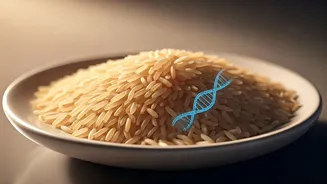
to escalating rates of Type 2 diabetes. Recognizing this, scientists at CSIR – National Institute for Interdisciplinary Science and Technology in Thiruvananthapuram, Kerala, have engineered an ingenious solution. This 'designer rice' represents a fundamental overhaul of our most consumed grain, moving beyond simple fortification. Instead of merely coating grains with nutrients, the process involves deconstructing the rice into its core elements—starch, protein, and fiber—and then meticulously reassembling them. This sophisticated food-processing technique results in a grain that retains the familiar taste and cooking properties of regular rice but offers a significantly enhanced nutritional profile, aiming to address malnutrition and promote metabolic health on a massive scale.
Crafting the 'Designer Rice'
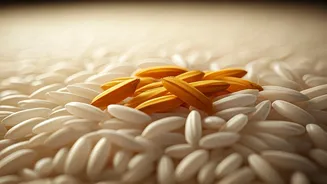
The creation of this advanced rice bypasses genetic modification, relying instead on innovative food-processing technology. Researchers ingeniously utilize broken rice, typically sold at a lower price point. This broken rice is ground into a fine flour, which is then blended with a substantial amount of protein and essential micronutrients, including iron, folic acid, and vitamin B12. This nutrient-rich mixture is subsequently reshaped into grains that are indistinguishable from conventional rice in appearance, texture, and taste. This deliberate modification transforms the grain from a mere carbohydrate source into a 'nutrient-dense powerhouse,' as described by CSIR India. The process essentially rebuilds the grain, replacing a significant portion of starch with protein, akin to substituting 'sugar bricks' with 'protein beams' in a structural analogy.
Nutritional Powerhouse Benefits
The 'designer rice' boasts a significantly elevated protein content, soaring to over 20%, a substantial leap from the 6–8% typically found in normal rice. This surge in protein not only enhances the grain's nutritional value but also contributes to a more satisfying eating experience, with reports suggesting it tastes even better than regular rice due to the increased protein. Crucially, this innovation also addresses nutritional gaps by embedding vital micronutrients like iron, folic acid, and vitamin B12 directly into the grain's structure, acting as a fortified defense against deficiencies such as anemia. Furthermore, the rice is engineered to have a low glycemic index (GI) below 55, meaning it releases energy gradually, thereby preventing the sharp blood sugar spikes that are detrimental for individuals managing diabetes. This makes it a proactive solution for metabolic health, enabling people to continue enjoying their staple food with enhanced health benefits.
Accessibility and Cultural Integration
A key aspect of this innovation is its commitment to cultural continuity and accessibility. The 'designer rice' is designed to be a seamless replacement for regular rice, requiring no drastic changes to dietary habits or cultural practices. Unlike alternative health foods that might be expensive or unfamiliar, this rice allows individuals to continue consuming the familiar flavors and textures they are accustomed to. CSIR-NIIST has taken significant steps towards commercialization, with technology transfers to industry leaders like Consumer Products Limited. This ensures that the 'designer rice' will eventually be available in local grocery stores, making its enhanced nutritional benefits accessible to a broad population. It bridges the gap by offering a culturally resonant food option that is also nutritionally superior, thereby addressing malnutrition and supporting healthier lifestyles without demanding a cultural shift.