






The Lunar Expedition
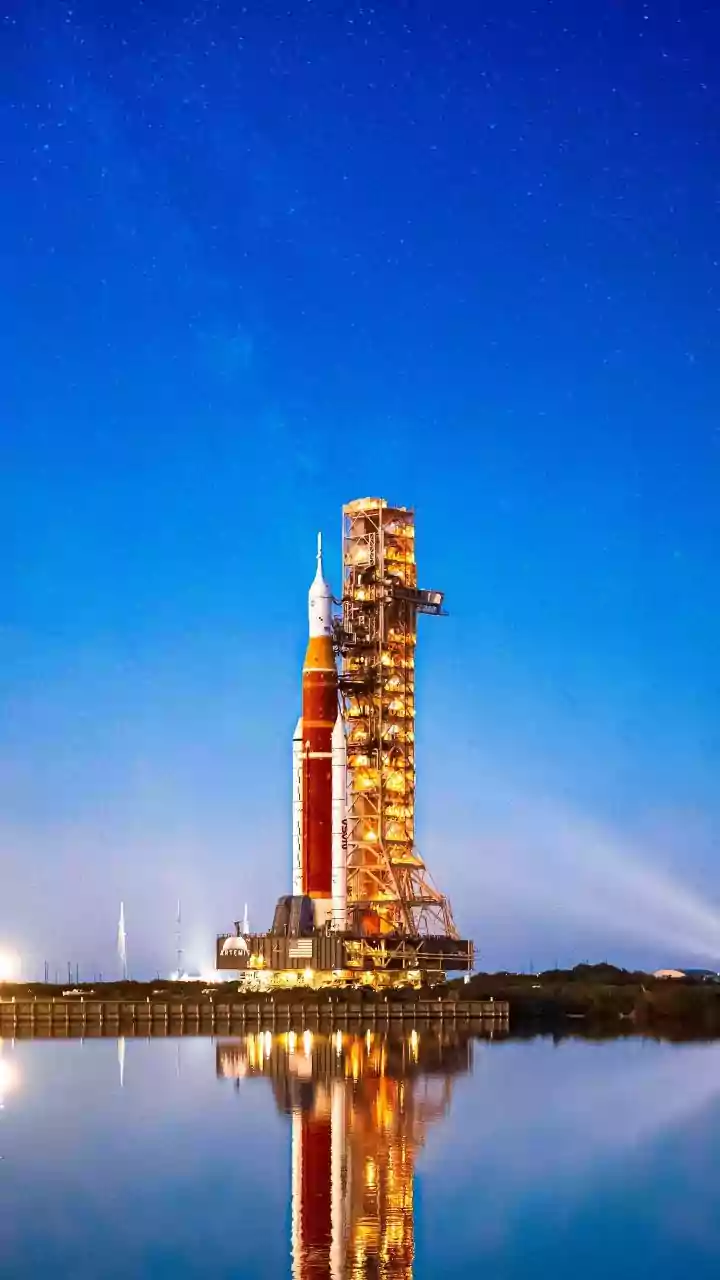
In the early 1970s, as the world was captivated by the Space Race, a special mission launched, carrying more than just astronauts. Among the scientific
cargo aboard the Apollo 14 mission were seeds from various tree species, commonly called the 'Moon Trees'. These seeds were not just along for the ride; they were part of a scientific experiment designed to test the effects of space travel on living organisms. The seeds were sent in a container and orbited the moon. After their return to Earth, the seeds were germinated. The initiative was spearheaded by a former astronaut, Stuart Roosa, a trained smokejumper, who was able to carry these seeds as a tribute to the US Forest Service. This project symbolized a remarkable collaboration between space exploration and forestry.
Space Travel's Effects
The time spent in space exposed the Moon Trees' seeds to unique conditions, including weightlessness and cosmic radiation. Upon their return, scientists were interested to know if these experiences affected the seeds' germination or growth. While most of the Moon Trees grew, the experiment faced hurdles. Some seeds did not germinate, while the growth of the surviving seedlings didn't show any consistent, easily discernible differences from Earth-grown trees. This led to a range of research, which had an impact on the study of life's resilience and adaptability. Scientists are still studying these trees. The scientific outcome prompted debate, with studies focusing on the subtle influences of space exposure on genetic expression and plant development.
Spreading Across Earth
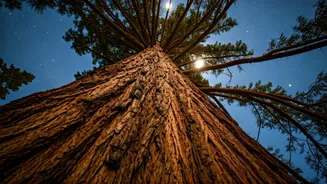
After successful germination, the resulting saplings, or Moon Trees, were distributed across the United States and several locations worldwide. These trees became living monuments, representing the spirit of the Apollo missions and the quest for knowledge. Numerous trees were planted at significant sites, including state capitols, universities, and public spaces, and the trees became a popular attraction. Each tree carries a legacy of adventure. The Moon Trees became symbols of scientific curiosity and exploration, embodying the link between humans and the cosmos. Many people make a point of visiting these remarkable trees and connecting with the historical background they embody.
Moon Trees Today
Presently, the Moon Trees continue to thrive in different locations, serving as living reminders of a historic undertaking. Many of these trees have matured into robust specimens, while others have been lost due to natural causes, like storms or old age. The remaining trees are actively monitored and preserved, as individuals and organizations work towards ensuring their continued survival. These trees are not only unique as a result of their lunar journey, but they also symbolize the resilience of nature and the lasting effect of human-led space exploration. Their existence acts as a tangible link to a pivotal era in space exploration history and continues to attract the interest of researchers, historians, and the public.