




India's Biodiversity Hub
India is a treasure trove of natural wonders, home to 106 national parks that serve as vital sanctuaries for its diverse flora and fauna. These protected
zones are crucial for preserving the nation's rich biodiversity and safeguarding endangered species and delicate ecosystems. While many states contribute to this network of natural havens, a central Indian state holds the distinction of having the highest number of these vital reserves. This state, often referred to as the 'Heart of India,' is a true champion of conservation and a paradise for wildlife enthusiasts.
Kanha: A Tiger's Realm
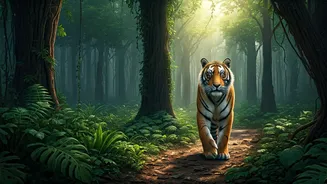
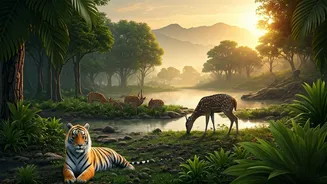
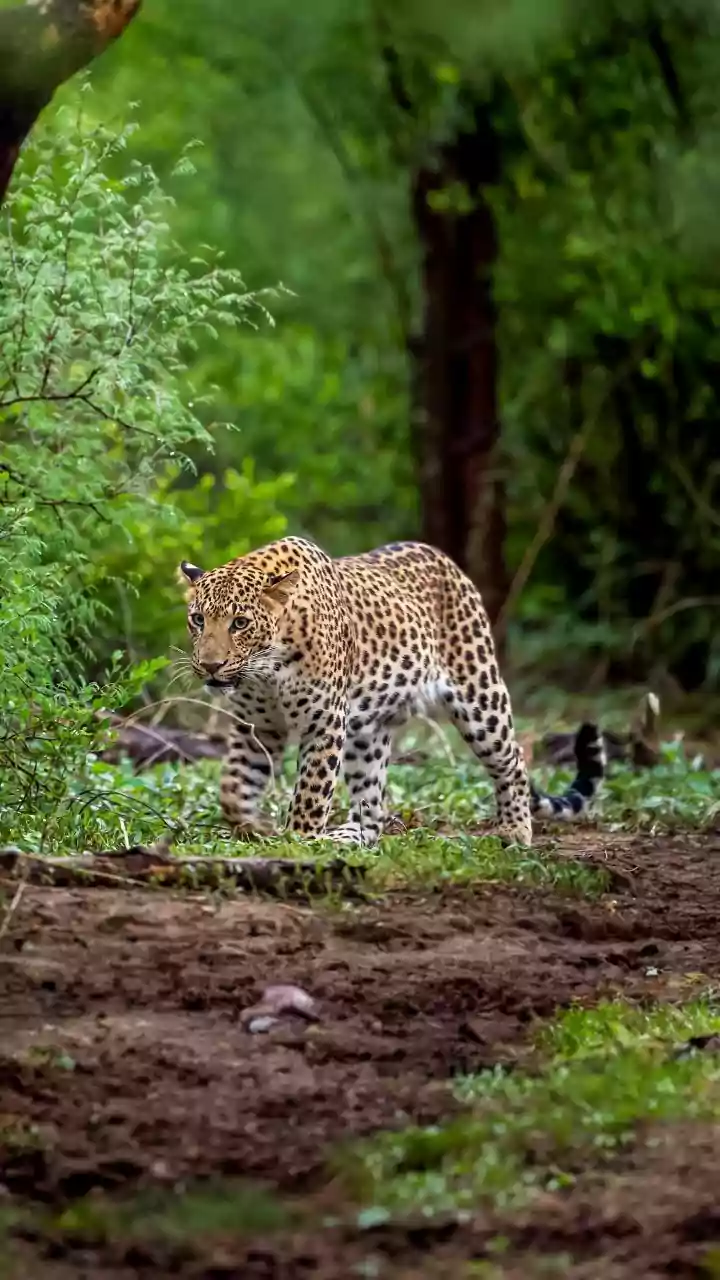
Often hailed as one of India's most spectacular and well-managed natural reserves, Kanha National Park is Madhya Pradesh's largest, spanning approximately 940 square kilometers. This expansive sanctuary is characterized by its captivating landscapes, featuring dense sal and bamboo forests interspersed with vast, open meadows. It's a prime location for wildlife sightings, offering excellent opportunities to encounter tigers, the majestic barasingha (swamp deer), gaurs (Indian bison), elusive leopards, and a multitude of avian species. The park's immersive atmosphere, with its diverse terrain and abundant wildlife, is famously said to have inspired Rudyard Kipling's classic tales, 'The Jungle Book,' making it a top choice for thrilling jeep safaris and an unforgettable nature experience.
Bandhavgarh: High Tiger Density
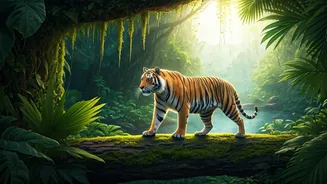
Renowned for harboring one of the highest tiger populations per square kilometer in India, Bandhavgarh National Park is a truly remarkable destination. The park's dramatic topography is defined by striking sandstone hills, ancient fort ruins that whisper tales of history, and dense woodlands. Visitors are often treated to sightings of tigers, leopards, sambar deer, and an impressive array of over 250 bird species. Historically significant as the former hunting ground for the maharajas of Rewa, Bandhavgarh offers not only incredible wildlife viewing but also the unique advantage of frequent daytime tiger sightings, making it a must-visit for any wildlife photographer or enthusiast seeking close encounters with these magnificent big cats.
Pench: Kipling's Inspiration
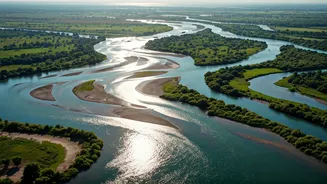
Much like Bandhavgarh, Pench National Park is another location famously associated with Rudyard Kipling's 'The Jungle Book,' offering a similarly enchanting natural experience. The park is characterized by its picturesque teak forests, the vital Pench River that flows through its heart, and undulating hills that create a diverse habitat. Wildlife enthusiasts can look forward to spotting tigers, leopards, wild dogs, and a rich variety of birds. The scenic riverine landscapes, combined with a balanced mix of dense jungle and more open areas, make Pench a favored spot for nature lovers seeking a comprehensive and visually stunning safari adventure that captures the essence of wild India.
Satpura: Diverse Terrain
Situated south of the Narmada River, Satpura National Park distinguishes itself through its incredibly varied terrain, encompassing rolling hills, deep valleys, and meandering rivers, all within the protected expanse of the Pachmarhi Biosphere Reserve. This unique ecosystem supports a fascinating array of wildlife, including sloth bears, the distinctive Indian giant squirrel, leopards, and tigers. Beyond jeep safaris, Satpura offers excellent opportunities for trekking and boat safaris, allowing visitors to explore its pristine and relatively less-crowded environment. Its rugged beauty and diverse activity options make it a favored destination for photographers and adventurers alike.
Panna: Scenic Wonders
Famous for its breathtaking landscapes, Panna National Park is set against the dramatic backdrop of the Vindhya Plateau, featuring deep gorges and the beautiful Ken River, punctuated by spectacular waterfalls. This park has achieved remarkable success in tiger conservation, and visitors can often spot tigers, leopards, and various vulture species amidst its plateau and forest regions. Adding to its allure are the ancient Neolithic-era rock paintings found within the park, offering a glimpse into prehistoric human activity and cultural heritage, making Panna a captivating blend of natural beauty and historical intrigue.
Kuno: Cheetah Reintroduction
Kuno National Park has recently captured international attention as the pioneering site for India's ambitious cheetah reintroduction project. The park's habitat consists of dry deciduous forests, expansive grasslands, and the life-giving Kuno River, which collectively sustain a growing population of cheetahs, leopards, and other wildlife. Its vast, open landscapes are ideal for spotting large cats and observing the ongoing conservation efforts. Kuno represents a significant milestone in wildlife restoration, offering visitors a unique chance to witness a monumental conservation success story unfolding in real-time, making it a truly special destination.
Van Vihar: Urban Oasis
Nestled within the heart of Bhopal, Van Vihar National Park offers a distinct urban wildlife experience. It functions primarily as a rescue and breeding center, housing animals in spacious, naturalistic enclosures that mimic their wild habitats. This accessible park allows visitors to observe a variety of animals, including tigers, bears, hyenas, crocodiles, and deer, without the need for extensive safaris. Its convenient location and relaxed atmosphere make it perfect for families or those with limited time, providing an engaging and educational encounter with wildlife within a scenic lakeside setting, blending conservation with urban accessibility.