


Choose the Right Frames
Selecting the right frames is crucial for a cohesive and visually appealing photo display. Consider the existing decor in your room. If your space features
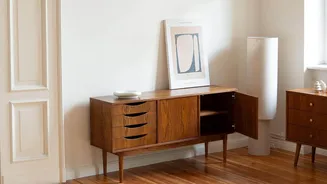
a minimalist aesthetic, opt for sleek, simple frames in neutral colors like black, white, or wood tones. These frames will allow the photos themselves to take center stage. For a more eclectic or bohemian vibe, consider mixing and matching frames of different sizes, materials, and colors. This can create a more dynamic and personalized look. Metal frames, especially those with a gold or brass finish, can add a touch of elegance, while rustic wooden frames can bring warmth and character. Ensure the frames' style aligns with the photos' content; for instance, vintage photos may suit antique-style frames. The size of the frame should also correspond to the size of the photos, as oversized frames can make smaller images appear lost. Think about the matting too; using matting can make your photos stand out from the frame.
The Gallery Wall Guide
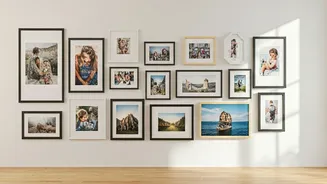
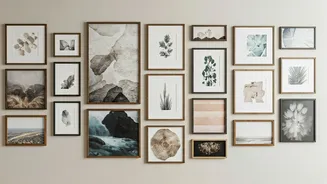
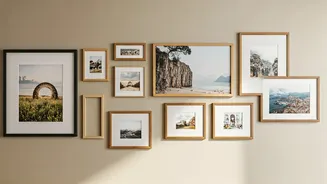
Gallery walls are a fantastic way to showcase a collection of photos, but they require planning. First, decide on a layout. Consider a grid pattern for a symmetrical arrangement or a more free-flowing layout for an organic feel. Before hammering nails, lay out your frames on the floor to visualize the arrangement and ensure the balance. Use painter's tape to mark the placement on the wall, so you can preview it before hanging the photos. When hanging, ensure consistent spacing between frames for a polished look. You could consider a theme for your gallery wall, such as family photos, travel memories, or a collection of similar art prints. This adds cohesion and tells a story. Mix sizes and shapes to keep things interesting. A gallery wall is not just about frames; the space around each photo matters, and it should complement the pictures. A gallery wall can be the focal point of a room or a subtle background element.
Arranging Single Photos
Sometimes, one impactful photo is all you need. The placement of a single photo is critical for maximizing its impact. Consider the scale of the photo in relation to the wall and furniture. A large photo can serve as a statement piece above a sofa or bed, while smaller photos can create a focal point in hallways or smaller rooms. The position of the photo can significantly influence the room's flow. Place it at eye level for comfortable viewing, typically 57-60 inches from the floor, for a standard viewer. The surrounding space should complement the photo. Avoid overcrowding the area and leave some breathing room around the photo so it can be noticed. Consider the lighting in the room; positioning the photo where it is well-lit enhances its visual appeal. Use a balanced approach, considering the photo's colors and the room's color scheme. Your chosen photo should enhance and tie into the room's overall aesthetic and add personality.
Playing with Layouts
Experimenting with layouts can create visual interest. For instance, consider a salon-style arrangement, where frames are closely grouped, often touching or nearly touching. This style creates a dense, immersive display, ideal for a collection of photos with a shared theme. Another layout idea is the grid pattern, which offers a structured and symmetrical look. This works well for a series of photos with consistent sizes and frames. The grid adds formality and a sense of order. Alternatively, the asymmetrical layout is free-form and natural, making use of varied sizes and shapes, creating a dynamic and casual atmosphere. Experiment with different arrangements, moving the frames around until you achieve a layout you're happy with. Try using templates or online design tools to visualize these ideas. Make sure that the layouts match the style of the house and photographs, to create a coherent look.
Adding Visual Elements
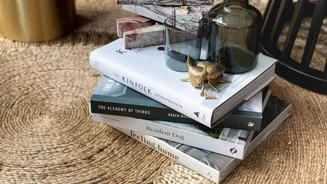
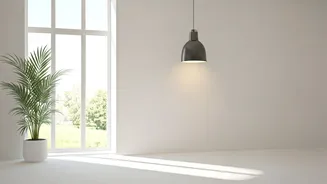
To elevate your photo displays, incorporate visual elements beyond just the photos and frames. Adding elements like mirrors, artwork, or decorative objects can enhance the overall aesthetic and add depth. When integrating these elements, maintain balance. Don't let one element dominate the space. Think about the color scheme. Use matching colors to enhance the coherence, or contrasting colors to create a visual contrast. Consider textures. Adding textured frames or surrounding the photos with textured objects such as woven baskets, sculptures, or plants will create visual interest. Lighting plays a key role too. Use spotlights or wall sconces to highlight specific photos and create a focal point. These lights can emphasize the details within the photos. Using shelves or ledges to display photos can also offer an opportunity for adding decorative pieces, allowing for easy updates and flexibility. The key is to blend the decorative elements with the photos for a harmonious look.