





The Weight of Tradition
Indian weddings are famously grand spectacles, and historically, the bride's attire has been a focal point of this opulence. However, this often translates
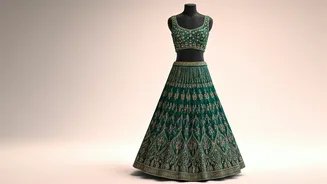
into lehengas and other bridal garments that are excessively heavy, sometimes exceeding three kilograms. This immense weight, laden with intricate embroidery, embellishments, and layers of fabric, can significantly hinder the bride's ability to move freely and enjoy her own celebration. The pressure to outshine guests and create a visually stunning event for photographs often leads to fashion choices that prioritize aesthetics over the wearer's comfort and stamina. Many brides find themselves weighed down, both literally and figuratively, by outfits designed for show rather than for the seven to eight hours of continuous festivities, including dancing and mingling. This excessive weight not only causes physical discomfort but can detract from the bride's natural radiance and ability to engage fully in her special day, turning what should be a joyous occasion into a physically demanding performance.
Comfort is Luxury
Tarun Tahiliani champions a revolutionary idea in Indian bridal couture: comfort is the ultimate luxury. He firmly states that any garment exceeding three kilograms is impractical for a bride to wear, suggesting that the industry's current obsession with volume and dramatic flair has gone too far. Tahiliani argues that this pursuit of grandeur, fueled by India's economic growth and a desire to impress, has overshadowed the bride's well-being. Brides often feel compelled to dress in heavier, more ornate outfits to avoid appearing less adorned than their guests. However, he challenges this notion by emphasizing that weddings are lengthy events demanding movement and energy. The designer's philosophy centers on practicality as a sign of sophisticated design, allowing brides to dance, greet their guests, and experience their wedding without the burden of a heavy outfit. He believes that the bride's ability to enjoy her celebration should not be compromised by her attire.
Beyond the Lens
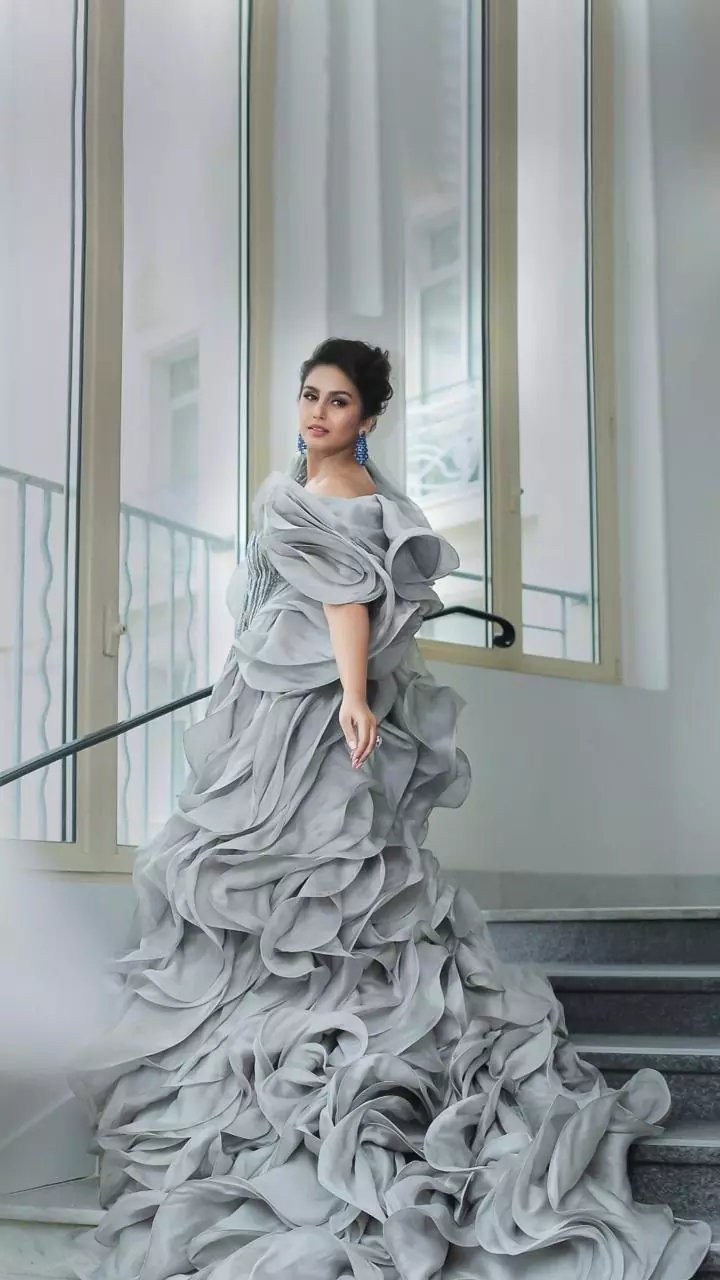
The evolution of Indian weddings into highly curated events, often influenced by social media and cinematic portrayals, has inadvertently shifted the focus of bridal fashion. Tahiliani points out that this 'staged spectacle' mentality encourages brides to dress for the camera rather than for their own experience. The desire to capture picture-perfect moments can lead to an overemphasis on visually dramatic, yet cumbersome, attire. This trend, while creating impressive visuals, often disconnects the bride from the reality of her wedding day, which involves prolonged periods of movement, interaction, and active participation. The modern bride, however, is increasingly seeking fashion that aligns with her desire to actively engage in her celebration, a stark contrast to the passive, posed bride of yesteryear. Tahiliani's vision for future bridal couture involves garments that are not only opulent but also intelligent and adaptable, allowing the bride to be the protagonist of her own story, not just an elegantly dressed prop.
Future of Bridal Wear
The contemporary Indian bride is re-evaluating traditional bridal fashion, seeking attire that empowers her to fully embrace her wedding festivities. This means a growing demand for outfits that facilitate movement, allow for spontaneous interactions, and don't require constant adjustments. Garments that restrict, weigh down, or demand excessive upkeep are becoming increasingly obsolete in the context of modern wedding celebrations. Tahiliani's perspective anticipates a future where bridal couture remains resplendent and luxurious, but with an inherent emphasis on lightness, intelligence, and functionality. The ideal bridal outfit of tomorrow will strike a harmonious balance between breathtaking aesthetics and the practical needs of a bride who wants to dance, mingle, and truly live her wedding day to the fullest. The ultimate goal is to ensure that on this pivotal day, the bride's primary focus is on joy and connection, not on the physical burden of her attire.