





Market Dynamics Unveiled
The luxury market is a dynamic arena, constantly adapting to trends and consumer preferences. In 2025, several brands jostled for the top positions. Chanel
secured the number one spot, reflecting its strength and appeal in the luxury sector. The rankings are based on various factors, including brand value, market share, and consumer perception. Companies continuously innovate to maintain their status and attract a discerning clientele. This makes the luxury market a compelling case study of branding, marketing, and the evolving tastes of the global wealthy consumer base, reflecting the broader economic trends and geopolitical factors that shape consumer behaviour. This analysis shows the competitive nature of the sector and the ongoing evolution of strategies for success.
Chanel's Significant Ascent
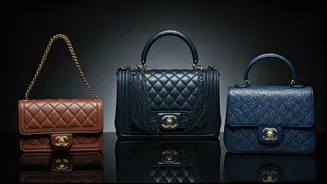
The remarkable story of Chanel's ascent to the top of the luxury brand rankings in 2025 highlights its impressive performance. Chanel's brand value increased by an astounding 45% during the period leading up to 2025. This significant growth propelled Chanel to the first position, surpassing long-standing leader Louis Vuitton. This expansion signifies Chanel's successful strategies to resonate with luxury consumers, enhance its brand image, and broaden its market reach. The brand's focus on innovative designs, high-quality products, and strategic marketing campaigns played a crucial role in enhancing its appeal. This surge underlines Chanel's strong brand equity and its capacity to capture the attention of a wide array of affluent consumers worldwide, proving its capacity for maintaining relevance and dynamism in a competitive market.
Louis Vuitton's Position
Even though Louis Vuitton was overtaken by Chanel, it continued to be a powerful presence in the luxury market. Louis Vuitton's sustained success indicates its ability to retain brand value and customer loyalty. The brand's extensive product range, including handbags, accessories, and ready-to-wear, has consistently attracted a wide global audience. Its brand value, although below Chanel's, was still considerable, demonstrating that Louis Vuitton remains a key player in the luxury market. Its continued presence in the top positions emphasizes the brand's long-term legacy and adaptability in a marketplace that is continually transforming. It highlights the competitive nature of the luxury sector, where market positions can change rapidly based on shifts in consumer preferences and marketing strategies.
Top Luxury Brand Rankings
The top 10 luxury brands in 2025 represent a snapshot of excellence in the industry. These rankings are based on the global brand values, consumer perception and market performance. While the precise details of each brand's ranking are not explicitly provided, the top positions show a clear hierarchy. These leading luxury brands consistently focus on quality, design, and exclusive experiences to build strong brand loyalty and drive revenue. This competitive nature drives innovation and shapes the future of the industry. The success of these brands reflects the evolution of consumer behaviour and purchasing trends. Examining the strategies and market dynamics of these top 10 brands offers valuable insights into the broader trends in the luxury goods market.