
The Essence of Gur
Gur, often called jaggery in English, is a traditional, unrefined sugar made in India and other parts of Asia and Africa. It is produced from sugarcane
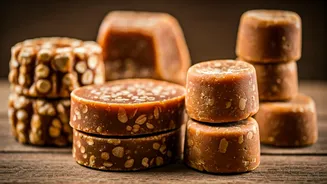
juice, date palm sap, or coconut sap, and it's a staple in Indian households for centuries. Unlike refined sugar, Gur retains some of the molasses, giving it a unique flavor and nutritional benefits. The color can range from golden brown to dark brown, depending on the source and processing method. Traditionally, Gur was made in small, local communities, using methods passed down through generations. Today, while some Gur is still produced by hand, larger-scale production methods are also used to meet the growing demand, ensuring that this beloved sweetener is available for all to enjoy. Gur plays a significant role in Ayurvedic medicine, believed to have several health benefits, like aiding digestion and boosting immunity. Beyond its health benefits, Gur is revered for its rich, complex flavor, offering notes of caramel and molasses, making it a versatile ingredient in both sweet and savory dishes. Its presence in Indian cuisine is a testament to its cultural significance, as it's not just a sweetener but also a symbol of tradition and wholesome goodness.
Varieties of Gur
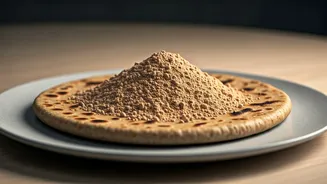
Gur isn't just one type of sweetener; it comes in various forms, each with its unique characteristics influenced by the plant it’s derived from and the region it's produced in. The most common is sugarcane Gur, made from the juice of sugarcane, available throughout India. Date palm Gur is primarily found in eastern India, particularly in Bengal. This type has a distinct, rich flavor, making it a favorite for sweet dishes. Coconut Gur is another variant, less common but still used in some coastal regions. Besides the source, the processing methods also impact the final product. Some Gur is sold in solid blocks, while others are in powder or liquid form. The color and consistency can vary, with the darker shades often being richer in molasses and having a more intense flavor. The texture can range from soft and chewy to hard and crystalline. The different types of Gur offer a wide spectrum of flavors and textures, making it a versatile ingredient suitable for a diverse range of dishes. Understanding these varieties is essential for appreciating the nuances of Indian sweets and savories that make use of this traditional sweetener.
Gur in Indian Cuisine
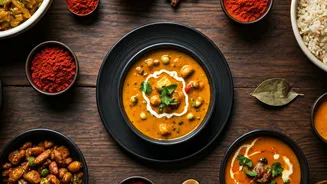
Gur is a fundamental ingredient in many Indian sweets and dishes, adding a unique flavor profile that goes beyond mere sweetness. It's often used as a direct substitute for refined sugar, but its complex taste enhances the overall flavor. In many Indian homes, Gur is used to make a range of desserts, including laddu, a spherical sweet treat; payasam, a creamy milk pudding; and chikki, a brittle made with nuts and seeds. Apart from sweets, Gur is also used in savory dishes. Sometimes, it is added to chutneys, to balance the spicy and sour flavors. Gur is also used in certain regional dishes, where it adds a depth of flavor that complements other ingredients. The use of Gur in Indian cooking also reflects a cultural preference for natural and wholesome ingredients. Many people choose Gur for its perceived health benefits and traditional significance. Its role in Indian cuisine is a perfect blend of culinary tradition and nutrition.
Cultural Significance of Gur
Gur is more than just a sweetener; it holds immense cultural significance in India. It is frequently associated with auspicious occasions and celebrations. In many Indian traditions, Gur is offered as a prasad (a religious offering), to deities, and consumed before important events, as it's believed to bring good luck. Gur and sesame seeds (til) are often mixed during the winter festivals like Makar Sankranti, symbolizing warmth and prosperity. The practice of eating Gur after meals is also common, believed to aid digestion. Gur is seen as a symbol of hospitality, often served to guests. The giving of Gur is a gesture of goodwill. Gur's presence in various rituals and festivals underlines its importance in Indian culture. Beyond its role in food, it's a symbol of tradition, well-being, and community, representing the enduring link between the people and their culinary heritage.