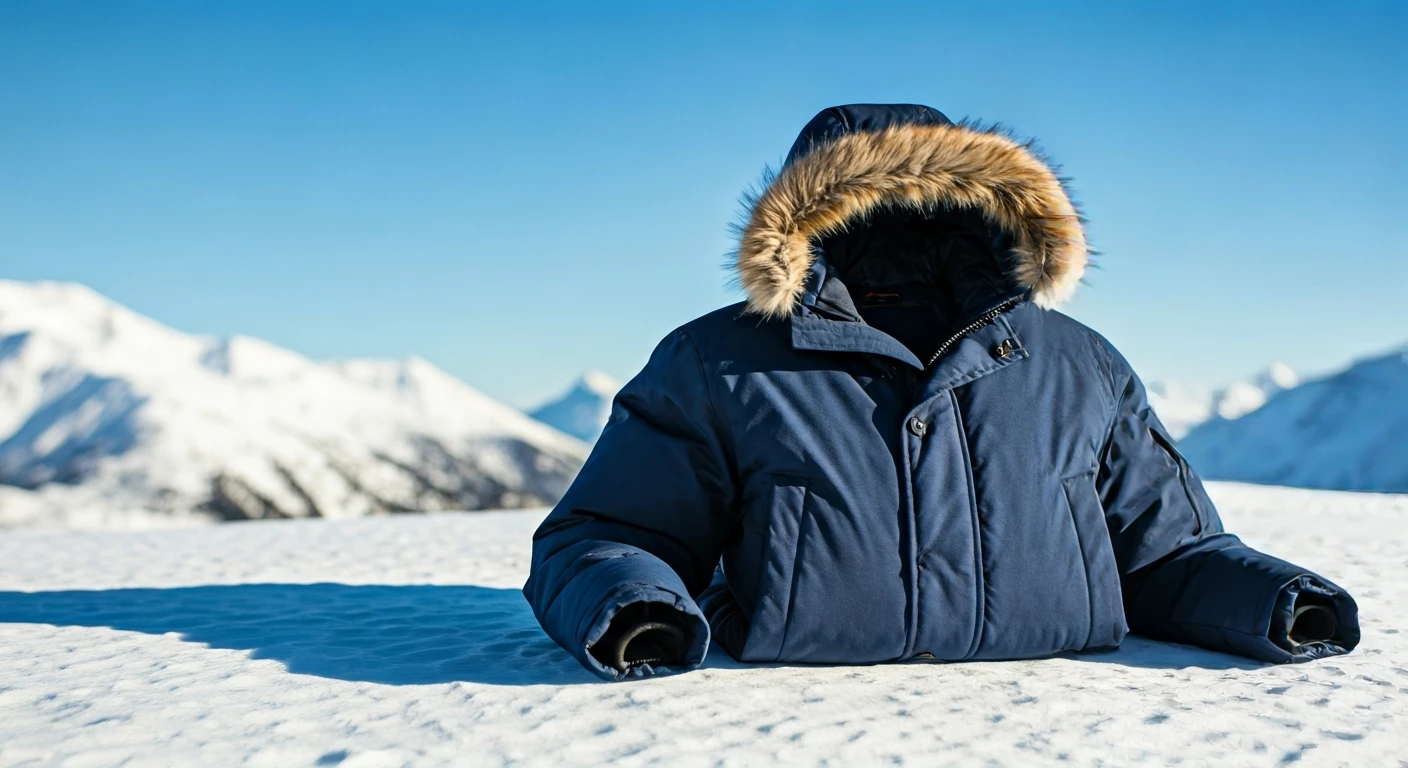

Understanding Winter Jackets
Winter jackets are essential for anyone living in a colder climate. They're designed to provide warmth and protection from the elements. Different types
of jackets serve different purposes and offer varying levels of insulation and weather resistance. Consider factors like your local climate, typical activities, and personal style when choosing the right jacket. For instance, a parka is excellent for harsh winters, providing extensive coverage and insulation, while a lighter puffer jacket may be sufficient for milder conditions. Overcoats can offer a stylish option for more formal occasions. Understanding these different types is crucial before making a purchase, ensuring your jacket meets your specific needs. Understanding the technical aspects of winter jackets, such as the fill power of down insulation, the waterproof rating of the fabric, and the breathability of the material, helps make an informed decision and invest in a quality product that will keep you warm and comfortable throughout the winter months.
Parkas: Ultimate Warmth
Parkas are designed for extreme cold and offer maximum protection. Typically, they feature a longer length, extending below the hips to provide additional coverage against wind and snow. Often, they come with a hood, frequently trimmed with faux or real fur for added warmth around the face. The insulation in parkas is substantial, often using down or synthetic materials to trap heat efficiently. These jackets are ideal for freezing temperatures and harsh weather conditions. When choosing a parka, consider features like waterproof and windproof materials. Look for sealed seams to prevent water from penetrating, and ensure the hood is adjustable for a snug fit. Pockets are also an important aspect; consider the number and type, ensuring they are easily accessible and secure for storing essentials. Brands specializing in outerwear typically provide top-quality parkas known for their durability and performance in the most challenging conditions.
Puffer Jackets: Versatile Insulation
Puffer jackets are a popular choice for their excellent warmth-to-weight ratio and versatility. They are filled with either down or synthetic insulation, creating the characteristic puffed appearance. Down provides superior warmth and is very compressible, making the jacket easy to pack. Synthetic insulation is a good alternative, particularly for those with allergies or who need a jacket that performs well even when wet. Puffer jackets come in various styles, from lightweight models for milder temperatures to heavily insulated ones designed for extreme cold. They are suitable for everyday wear, outdoor activities, and layering. Key features to look for include a durable, water-resistant outer shell and a well-designed hood to protect the head and neck. Pockets are usually included, providing handy storage space. The jacket's overall design makes it a practical, stylish, and comfortable choice for a variety of winter activities and conditions.
Overcoats: Stylish Protection
Overcoats combine warmth with a touch of elegance, making them a suitable option for more formal occasions or when a sophisticated look is desired. They are typically made from wool or a wool blend, providing a level of insulation and protection from the elements. Overcoats come in various lengths, from knee-length to those extending below the calf. They offer good coverage and often feature a tailored fit for a polished appearance. When choosing an overcoat, consider the fabric's weight and weave, as this impacts the level of warmth and weather resistance. A heavier wool coat provides better insulation, while a lighter version can be suitable for milder weather. Details like the style of the lapels, the number of buttons, and the presence of pockets contribute to the overall aesthetic. An overcoat can be a great addition to your wardrobe, offering both style and protection throughout the colder months.
Key Features to Consider
Several factors contribute to a winter jacket's effectiveness. The fill material is key; down offers excellent warmth, while synthetic options maintain warmth even when wet. The shell material's waterproof and windproof capabilities are essential for protection. Look for ratings indicating the jacket's ability to repel water and block wind. The fit of the jacket is important; it should allow for layering and provide freedom of movement. Other features such as the hood design, the presence of adjustable cuffs, and the number and type of pockets also enhance the jacket's functionality. For those living in areas with snow, a jacket with a snow skirt can be a valuable addition, preventing snow from entering from the bottom. Paying attention to these features ensures a jacket that performs effectively in various winter conditions. Considering these details can make a significant difference in your comfort and overall enjoyment during the winter.
Choosing the Right Fit
The fit of your winter jacket is crucial for both comfort and performance. It should allow for layering without feeling restrictive, particularly if you live in a colder climate where multiple layers are necessary. The sleeves should be long enough to cover your wrists when you reach out, preventing cold air from entering. The jacket's length is also important; it should provide sufficient coverage to protect you from the elements. Consider the jacket's intended use and the activities you plan to do while wearing it. For outdoor activities, a slightly looser fit might be preferable to allow for freedom of movement. For more formal occasions, a tailored fit may be more suitable. It's a good idea to try on a jacket with the layers you typically wear underneath to ensure a comfortable fit. Pay attention to the shoulders; they should sit smoothly without restricting your movement. A good fit will not only keep you warmer, but it will also enhance your overall appearance.
Maintaining Your Jacket
Proper care ensures that your winter jacket will last for many seasons. Always follow the manufacturer's instructions for washing and drying. Down jackets require special care; it's often best to dry-clean them or wash them with a specialized down detergent. Make sure the jacket is completely dry before storing it, as any moisture can damage the insulation and lead to mold or mildew growth. When storing your jacket, hang it in a well-ventilated area to prevent it from getting compressed. Avoid storing it in a tightly packed closet, as this can compress the insulation and reduce its effectiveness. Regularly check the jacket for any rips or tears and repair them promptly to prevent further damage. You can use seam sealants to maintain the waterproof features. By taking care of your jacket properly, you can ensure that it continues to provide warmth and protection for years to come. Routine maintenance enhances the lifespan and performance of your winter outerwear.