





The Paneer Predicament
Many vegetarians aiming for weight loss or fitness often turn to low-fat paneer as a primary protein source due to its availability and perceived health
benefits. However, the unappealing texture and taste can make consistent consumption a challenge, transforming a dietary necessity into a dreaded chore. This lack of enjoyment can derail long-term adherence to a fitness plan, as any approach that feels unsustainable is unlikely to yield lasting results. Fitness coach Raj Ganpath highlights this common pitfall, emphasizing that if a crucial part of your diet is unpleasant, maintaining it becomes an uphill battle, ultimately hindering progress towards sustainable health and physique goals. The reliance on foods one dislikes, even for short-term gains, can lead to rebound weight gain once the restrictive phase ends, underscoring the need for enjoyable and palatable protein alternatives.
Sustaining Your Goals
The pursuit of fitness and weight loss is not merely about reaching a specific number on the scale; it's about cultivating enduring habits that maintain those achievements. Coach Raj Ganpath stresses that viewing dietary changes as temporary fixes, like a two-month plan followed by a return to old eating patterns, is a flawed strategy. True success lies in adopting a lifestyle that can be sustained indefinitely. This requires not only achieving goals but also maintaining the effort and discipline that got you there. A critical component of this sustained effort is ensuring adequate protein intake, which is vital for muscle maintenance, satiety, and metabolic health. Therefore, focusing on protein sources that are not only effective but also genuinely enjoyable is paramount for long-term commitment and positive health outcomes.
Diverse Protein Powerhouses
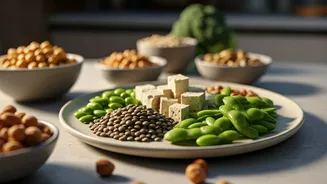
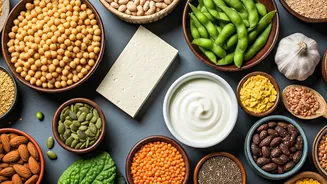
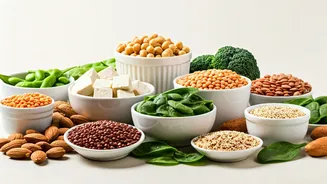
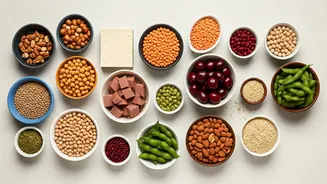
To overcome the limitations of relying solely on low-fat paneer, diversifying protein intake is key. Coach Raj Ganpath advocates for incorporating a variety of plant-based protein options into your diet. Tofu and tempeh, derived from soybeans, are excellent choices offering a more palatable and versatile alternative with a higher potential for regular inclusion in meals. Increasing the consumption of lentils and legumes, such as chickpeas and kidney beans, provides substantial protein and fiber, contributing to satiety and overall health. Plain Greek yogurt also stands out as a protein-rich dairy option. For those struggling to meet their protein requirements through food alone, a high-quality protein supplement can serve as a practical and effective addition to ensure consistent intake and support fitness objectives without compromising enjoyment or sustainability.
Exploring Delicious Alternatives
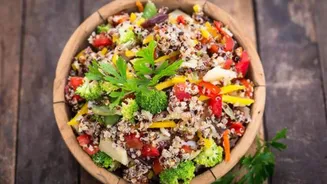
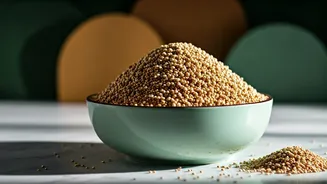
Beyond the widely recognized paneer, a rich tapestry of vegetarian foods can elevate your protein intake and support weight management. Tofu, a soy-based marvel, offers remarkable versatility, seamlessly integrating into stir-fries, curries, or baked dishes while providing complete protein. Tempeh, its fermented cousin, boasts a firmer texture and nutty flavor, excelling when grilled or pan-fried. Lentils and a broad spectrum of legumes like chickpeas, kidney beans, and black beans are fiber and protein champions, promoting fullness and can be incorporated into diverse meals from salads to hearty stews. Edamame, young soybeans, serve as a convenient and protein-dense snack. Quinoa, an ancient grain, is a complete protein that can substitute rice in various preparations. Even nuts and seeds, though calorie-conscious, contribute valuable protein and healthy fats, making them excellent additions in moderation. These varied options ensure your protein goals are met with culinary delight and long-term adherence.