


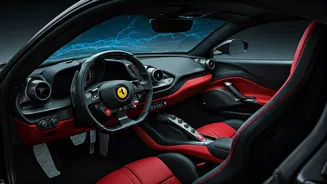
Future of Vision
The automotive industry is constantly evolving, and one of the most striking changes on the horizon is the elimination of traditional side mirrors. These
bulky appendages, a staple of car design for decades, are being replaced by sleek, integrated camera systems. This shift isn't just about aesthetics; it's a fundamental reimagining of how drivers perceive their surroundings. By removing the physical mirrors, manufacturers can significantly improve a vehicle's aerodynamic profile, leading to better fuel efficiency and reduced wind noise. More importantly, the digital displays powered by high-definition cameras offer a wider, clearer, and often more customizable field of vision than mirrors ever could. Imagine an uninterrupted view, free from blind spots, and enhanced by features like night vision or object tracking. This technological leap is poised to redefine safety and driver awareness on the road, making the driving experience more intuitive and secure than ever before.
Aerodynamic Elegance
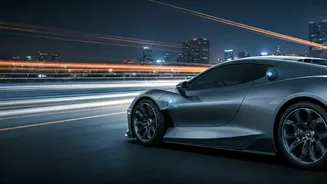
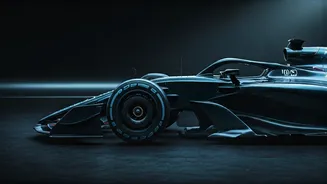
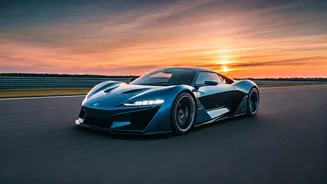
The move away from conventional side mirrors presents a significant opportunity to enhance a vehicle's aerodynamic efficiency. Traditional mirrors create drag, disrupting the smooth flow of air around the car, which consequently increases fuel consumption and can contribute to road noise at higher speeds. By replacing these protruding units with compact cameras, designers can create a sleeker, more streamlined exterior. This reduction in drag not only translates to tangible benefits like improved mileage for internal combustion engines and extended range for electric vehicles, but also contributes to a quieter cabin environment. The seamless integration of these camera pods further accentuates the modern aesthetic of these vehicles, blending advanced technology with sophisticated styling. This focus on aerodynamic refinement is a testament to the ongoing pursuit of efficiency and performance in automotive engineering.
Digital Clarity
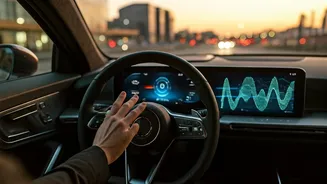
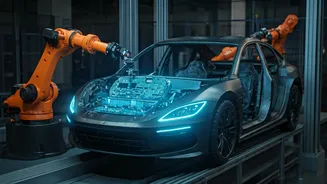
The core of the mirrorless revolution lies in the sophisticated digital camera systems that replace their analog counterparts. These high-resolution cameras capture a panoramic view of the vehicle's surroundings, feeding crisp, clear images to displays strategically placed within the cabin, often on the dashboard or A-pillars. This digital approach offers several advantages over traditional mirrors. Firstly, it can virtually eliminate blind spots, providing drivers with a more comprehensive understanding of their environment, crucial for safe lane changes and maneuvering in complex traffic. Secondly, these systems can be enhanced with intelligent software. Features such as dynamic guidelines that adjust with steering input, thermal imaging for improved night visibility, and even object detection and alerts for approaching vehicles can be integrated. This enhanced visual feedback empowers drivers with superior situational awareness, making them feel more in control and confident behind the wheel, even in challenging conditions.
Enhanced Safety Features
Beyond just replacing mirrors, these camera-based systems unlock a new realm of safety features that were previously difficult or impossible to implement. The continuous digital feed from external cameras allows for sophisticated driver assistance technologies to operate with greater precision. For instance, the system can actively monitor approaching vehicles from the rear and sides, providing visual and auditory warnings to prevent potential collisions during maneuvers like merging or changing lanes. Some advanced setups might even offer predictive trajectory lines, helping drivers gauge distances more accurately when reversing or parking. Furthermore, the integration with other vehicle sensors means the camera system can react to immediate threats, perhaps automatically adjusting the display to highlight a hazard or providing a wider angle when braking is detected. This proactive safety approach transforms the driver's interaction with their environment, fostering a more secure driving experience by anticipating and mitigating risks.
Design and User Experience
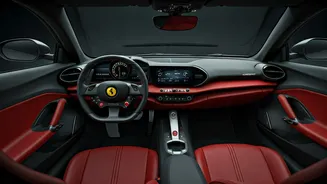
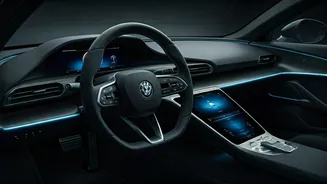
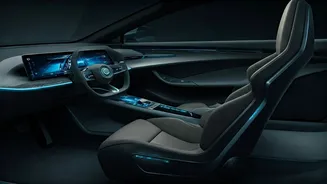
The adoption of mirrorless technology signifies a bold step forward in automotive design, allowing for cleaner lines and a more futuristic aesthetic. The removal of the physical mirror housings cleans up the car's profile, contributing to its overall visual appeal and enhancing its aerodynamic properties. Inside the cabin, the integration of high-definition screens that display the camera feeds creates a modern and immersive user experience. These displays are often positioned ergonomically, ensuring they are easily visible without distracting the driver. The transition from looking at a physical mirror to viewing a digital screen can feel novel initially, but the superior clarity and expanded field of view quickly prove their worth. This reimagining of the driver's interface not only modernizes the interior but also makes it more intuitive and functional, paving the way for future advancements in human-machine interaction within vehicles.