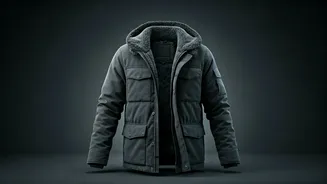

Understanding Your Needs
Before diving into specific jacket types, consider your lifestyle and the climate you live in. Do you need a jacket for everyday commuting, outdoor activities,
or extreme cold? Think about the weather conditions you typically face, including temperature, precipitation, and wind. For example, if you live in an area with frequent snowfall, you'll need a waterproof and insulated jacket. If you're active outdoors, prioritize breathability and freedom of movement. Your personal style also plays a role. Do you prefer a classic look, a more rugged aesthetic, or something trendy? This will help you narrow down the options and choose a jacket that suits your needs and tastes.
Exploring Jacket Types
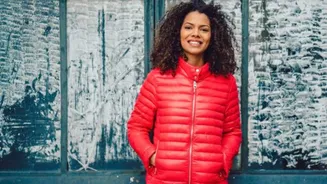
Several types of winter jackets cater to different needs. Parkas are long, insulated coats designed for extreme cold, often featuring a fur-lined hood for added protection. They're ideal for very cold climates or prolonged outdoor exposure. Down jackets provide excellent warmth-to-weight ratio due to their insulating down feathers. They are best suited for dry, cold conditions and can be quite lightweight. However, down can lose its insulating properties when wet. Insulated jackets, which use synthetic materials like polyester, are a good alternative to down, particularly in wet environments. They maintain warmth even when wet and are often more affordable. Finally, shell jackets are designed to protect against wind and rain. They are usually not insulated, so you can layer them with other garments for warmth. These are great for milder weather and layering flexibility.
Material Matters Most
The materials used in a winter jacket significantly impact its performance. Outer fabrics should be durable and water-resistant or waterproof. Look for materials like nylon or polyester, which are resistant to abrasion and can withstand various weather conditions. For insulation, down is a top choice for its warmth and compressibility. However, make sure it is responsibly sourced. Synthetic insulation, like PrimaLoft or Thinsulate, offers an excellent alternative, maintaining warmth even when wet. It's a good option for wet climates or for those who prefer not to use down. Breathability is also important to prevent overheating and moisture buildup. Consider jackets with breathable membranes, which allow moisture vapor to escape while keeping water out. Check the jacket's breathability rating to ensure it matches your activity level.
Key Features to Watch
Several features can enhance a winter jacket's functionality and comfort. A hood is essential for protecting your head and face from the elements. Consider a hood with adjustable drawcords and a brim for added protection. Pockets are also crucial. Look for jackets with multiple pockets, including handwarmer pockets, internal pockets for valuables, and external pockets for essentials. Zippers should be sturdy and water-resistant. A two-way zipper can be helpful for ventilation and mobility. Adjustable cuffs and a hem help seal out the cold and wind. Consider features like a snow skirt, which prevents snow from entering the jacket from below, especially in snowy conditions. Think about the jacket's weight and packability if you need to carry it around or travel with it.
Style and Fit
While functionality is vital, style and fit are also important for choosing a winter jacket. The fit should allow for layering without restricting movement. Try on the jacket with the layers you typically wear underneath. Consider the length of the jacket. Longer jackets offer more coverage and warmth, while shorter jackets provide greater mobility. Choose a style that reflects your personal taste and complements your existing wardrobe. From classic parkas to sleek, modern designs, there's a jacket to match every style. Think about the color and details, such as the type of fur on the hood or the design of the pockets. Select a jacket that makes you feel confident and comfortable.
Caring for Your Jacket
Proper care ensures your winter jacket lasts for years. Always follow the manufacturer's care instructions. Generally, down jackets should be washed with a specialized down wash to preserve their insulating properties. Synthetic jackets are usually easier to care for, often machine washable with mild detergent. Avoid using fabric softeners, as they can reduce the jacket's water resistance and breathability. After washing, tumble dry on low heat, using dryer balls to restore loft and evenly distribute the insulation. If the jacket gets wet, let it air dry completely before storing it. Store your jacket in a cool, dry place away from direct sunlight. Consider using a garment bag to protect it from dust and other environmental factors. With proper care, your winter jacket will serve you well for many seasons to come.