
Early Morning Anticipation
Republic Day mornings in the 1990s began long before the sun fully rose. The anticipation started the night before, with preparations underway. Families
often ensured they had comfortable seating arrangements or, if fortunate enough, access to a cozy spot near the television. The day's significance was palpable, from freshly cleaned homes to the aroma of breakfast being prepared. This morning meant more than just the parade; it was a symbol of national pride, setting a positive tone for the entire day. Families anticipated watching the parade with a mix of excitement and reverence, a tradition that was deeply rooted in the Indian psyche.
Blankets and Cozy Gathering
The physical setup was a crucial part of the Republic Day ritual. Families often gathered in living rooms, the central point of these mornings, ready to watch the parade. This frequently involved laying out blankets on the floor, allowing for a comfortable seating arrangement. This arrangement facilitated a sense of togetherness, with everyone sharing the same space, creating a sense of unity. Children, particularly, relished this opportunity to sit close to their elders, absorbing the atmosphere. The blankets became a symbol of warmth and togetherness, where stories and traditions were shared.
The One Television Screen
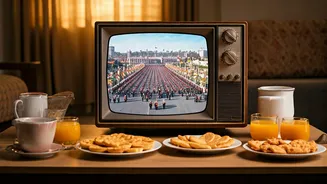
The television set acted as the focal point, uniting the entire family in a collective experience. Before the digital age of multiple screens, the entire family focused on a single television set. The limited options cemented a shared viewing experience. The broadcast drew the nation together, with everyone sharing the same reactions to the vibrant displays of national pride. The shared experience on the television created a common thread of shared emotions and understanding. This unity was further intensified by the absence of distractions, allowing families to fully immerse themselves in the parade's spectacle and the day's solemnity.
Breakfast and Conversations
Republic Day mornings were not just about the parade; they were also about the accompanying rituals. The aroma of breakfast often filled the homes. The morning meal was just as important as the parade. The preparations and enjoyment of breakfast were often interwoven with conversations about the parade's significance, national identity, and the values the day represented. This culinary part of the morning encouraged family bonding, creating an atmosphere of comfort and tradition. These moments built deeper connections through the shared experience of watching the parade.
National Pride Displayed
The Republic Day parade broadcast was a major symbol of national pride. The march showcased India's military prowess, cultural diversity, and artistic brilliance. These visuals provided a great opportunity to teach children about the nation's heritage. The colorful floats, intricate displays, and musical performances all worked to instill a sense of pride in the nation's accomplishments. These displays acted as a source of education and inspiration for children, helping them understand the principles and ideals that the nation stood for. It was a time to reflect on the values of democracy, unity, and progress.
Memories Made Together
The core of these Republic Day mornings were the memories created. The routines, from early morning preparations to the shared breakfast, were a foundation of cherished memories. These shared experiences, passed down through generations, became the foundation of family traditions. The parade was not just a televised event but a symbol of love, togetherness, and national pride. The memories created during those mornings continued to be remembered and retold within families. These memories offered nostalgia for a time before technology, when human connections were at the center of the experience.