


The Heatwave's Toll
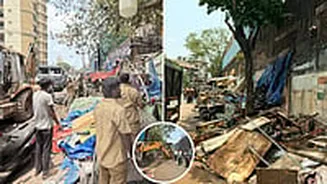
Mumbai's typically sees tree falls during the monsoon due to strong winds and heavy rain. However, this past summer presented a disturbing trend: a significant
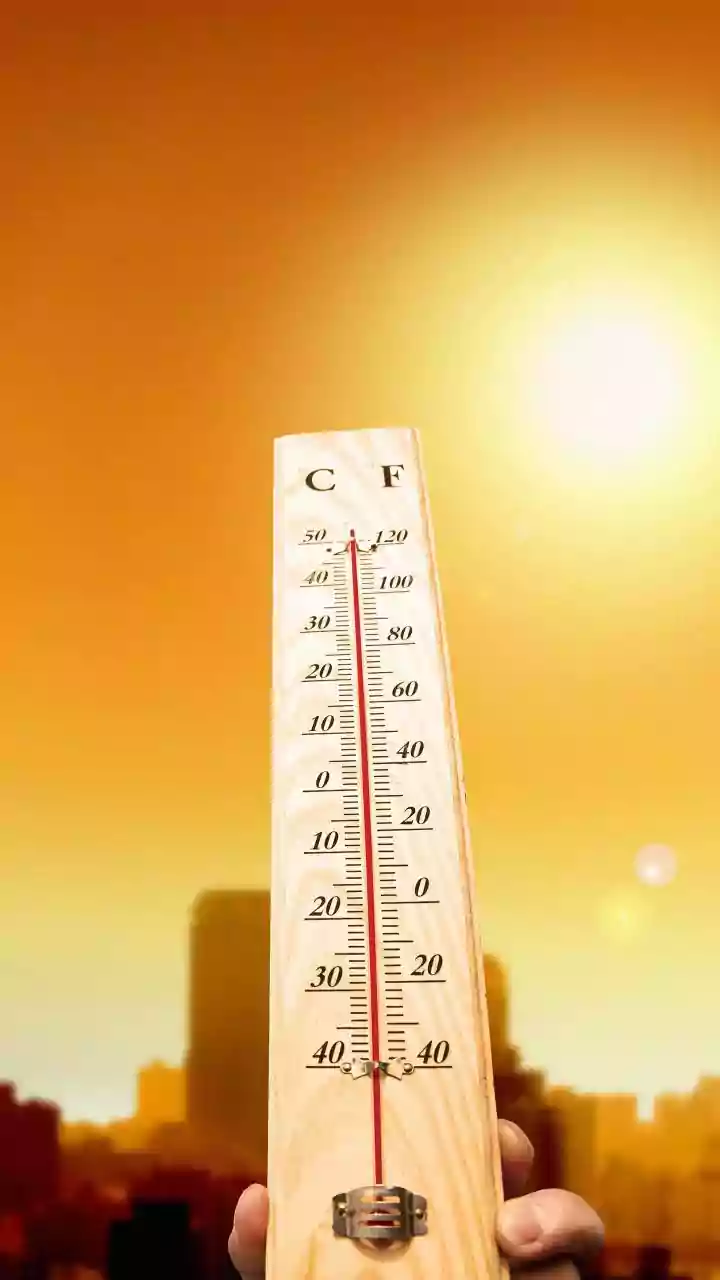
increase in tree collapses during periods of intense heat. These incidents, including a severe one in Khar that injured two young girls, prompted the Brihanmumbai Municipal Corporation (BMC) to investigate the underlying causes. Senior officials identified 'tree embolism,' a condition exacerbated by dry soil and the weakening of branches under extreme temperatures, as the primary culprit behind these alarming occurrences. The unprecedented heat stressed the city's mature trees, leading to a decline in their stability and an increased risk of dangerous falls.
Understanding Tree Embolism
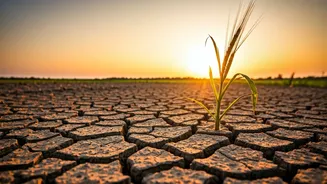
The phenomenon of 'tree embolism,' a consequence of extreme dehydration, is a critical factor in understanding why trees are collapsing. Scientifically, when temperatures soar, trees open their stomata, tiny pores on their leaves, to cool themselves through transpiration. Ordinarily, this process is sustained by adequate soil moisture. However, during heatwaves with insufficient rainfall, trees are forced to draw upon their internal water reserves. This creates a powerful suction within the xylem, the tree's vascular tissue responsible for water transport. This intense pull can cause air or water vapor bubbles to form, leading to blockages known as embolism. These embolisms disrupt the flow of water and nutrients, causing branches and sections of the trunk to dry out, become brittle, and ultimately increase the likelihood of structural failure.
BMC's Proactive Hydration Plan
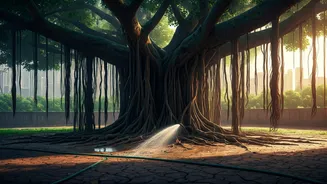
In response to the growing threat, the BMC has launched an unprecedented, citywide initiative to water mature trees. This 'hydration' drive aims to directly combat the effects of heat stress and prevent further collapses. Directives have been issued across various departments to ensure adult trees receive adequate moisture. The initial focus is on trees located in densely populated areas, including railway stations, hospital grounds, and bus depots, where the risk to the public is highest. The Garden Department will oversee watering in gardens and recreational spaces, while the Solid Waste Management department will manage watering along roadsides. Additionally, organizations managing roadside plantations through CSR initiatives have been instructed to water trees in their vicinity. The BMC is also encouraging citizens to water trees in private compounds and surrounding public areas.
Shifting Precedent for Trees
Traditionally, the BMC's tree management efforts concentrate on planting new saplings during the pre-monsoon period, ensuring they benefit from the subsequent rains. While young saplings receive summer watering, mature trees have generally been considered self-sufficient. However, the current climatic conditions have necessitated a departure from this established practice. The witnessing of extreme heat levels, unlike anything seen before, has prompted the decision to extend watering to adult trees until the monsoon season officially begins. This proactive measure underscores the severity of the situation and the BMC's commitment to adapting its strategies to protect the city's valuable tree canopy and ensure public safety amidst challenging environmental circumstances. Each tree targeted in this drive is planned to receive water at least once or twice a week.
Mumbai's Green Inventory
Mumbai is home to a vast number of trees, with the garden department's data up to March 2025 indicating a total of 29.75 lakh trees. These are distributed across the city, with 12.21 lakh trees in the western suburbs, 10.34 lakh in the eastern suburbs, and 7.18 lakh in the island city. Roadside trees, a significant category due to their proximity to public spaces, number over 1.90 lakh, based on the most recent census records. In addition to the watering drive, the BMC is also undertaking a comprehensive tree trimming exercise as part of its pre-monsoon preparedness. A total of 92,277 trees have been identified for this crucial maintenance work, which aims to further reduce the risk of branch falls and ensure the overall health and stability of the city's arboreal population.