



A Taste of Tradition
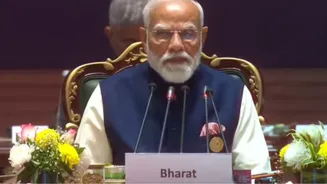
The India-AI Impact Summit 2026 in Bharat Mandapam saw Prime Minister Narendra Modi host global leaders for a dinner that artfully fused India's agricultural
heritage with its aspirations in artificial intelligence. Planned by ITC Group, the menu was designed to reflect the 'Shishir Ritu' season, symbolizing a transition from late winter to early spring. This culinary selection underscored the theme 'Vikas bhi, Virasat bhi' (Development and Heritage), emphasizing the nourishment and restoration derived from indigenous millets and geographically indicated produce. Esteemed guests, including French President Emmanuel Macron and Brazilian President Luiz Inácio Lula da Silva, along with influential tech innovators and policymakers, were treated to a meal that told a story of India's past and its future. The aim was to provide sustenance while also highlighting the importance of climate-resilient farming practices, a cornerstone of India's long-term food security strategy in an AI-driven world. The menu selection was a deliberate choice to showcase the best of India's local produce and culinary traditions to an international audience.
Vivid Appetizers Unveiled
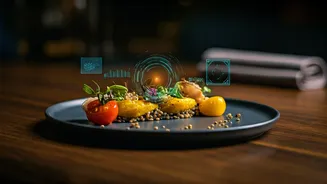
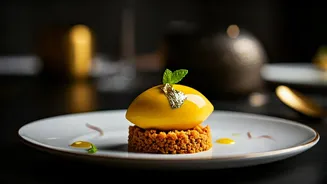
The gastronomic journey commenced with an appetizer named 'Varnila,' meaning 'Vivid.' This dish was an inspired interpretation of Indian street food, crafted to offer a captivating array of colors and textures right from the first bite. It featured delicate baby spinach crisps paired with ethereal yogurt spheres, creating a delightful contrast. The flavor profile was masterfully balanced, incorporating the sweet and tangy notes of tamarind-date chutney alongside a refreshing cilantro relish. A dusting of traditional Old Delhi masala added a characteristic savory depth, while a multifloral Jowar (Sorghum) millet crisp provided an unexpected, earthy crunch. This starter, weighing in at 213 kcal per 100 g, was designed to awaken the palate with its vibrant composition and complex yet harmonious taste sensations, setting a high standard for the courses to follow.
Pahadi Flavors Emerge
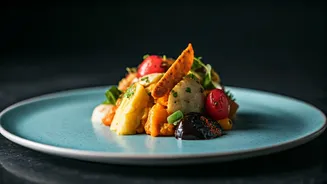
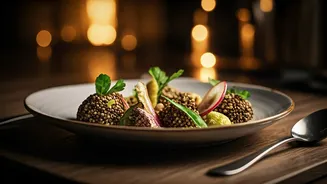
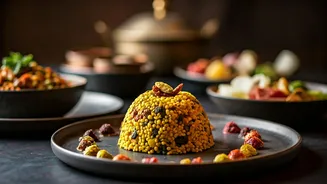
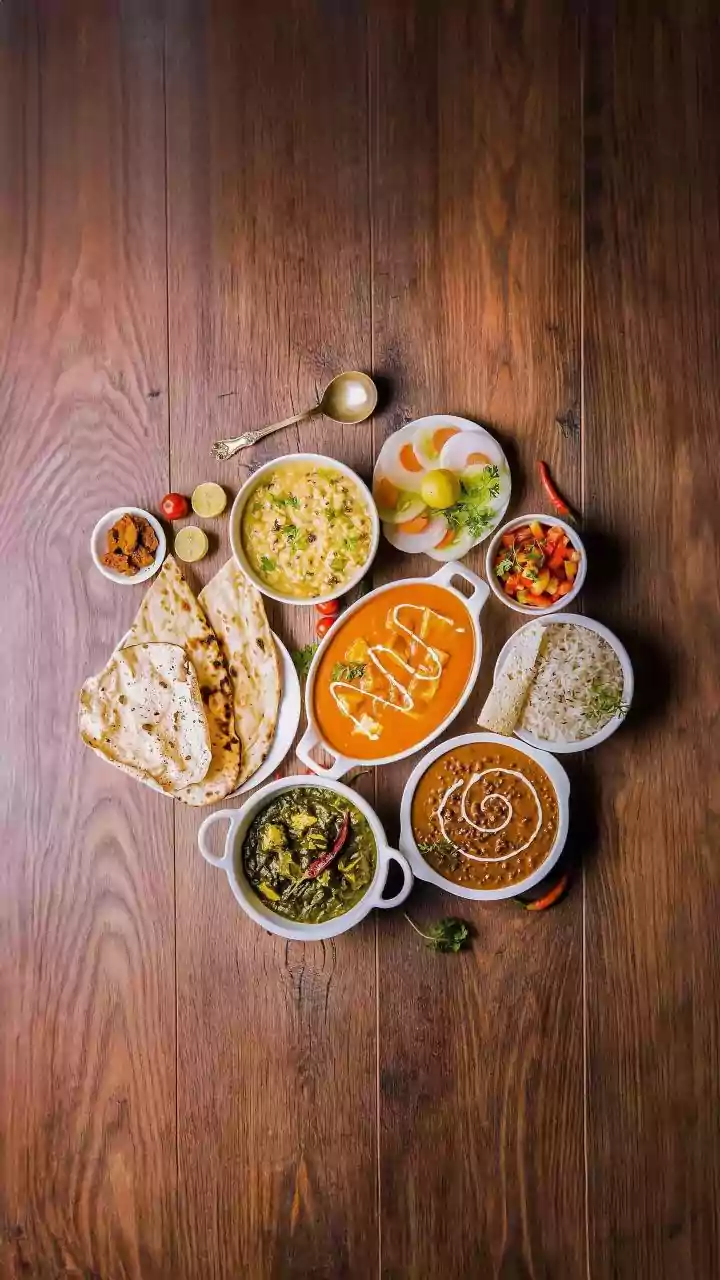
The main course, christened 'Sasya' or 'The Harvest,' was a celebration of the distinct and robust flavors from the Kumaon region in the Himalayas. Central to this dish was the GI-tagged Munsyari Rajma from Uttarakhand, celebrated for its exceptionally creamy consistency and subtle nutty undertones, a testament to its unique cultivation. Complementing the rajma was a fragrant pulao crafted from a special blend of Pahadi rice and Jhangora (Barnyard Millet), offering a wholesome and aromatic grain accompaniment. The ensemble was further enriched by Kumaoni Aloo Gutke, which are bite-sized potatoes expertly cooked with Jakhya, a distinctive Himalayan spice, and served alongside a smooth, vibrant tomato-anari (pomegranate) sauce. This entire composition provided 331 kcal per 100 g and was a profound representation of mountain cuisine, marrying local ingredients with traditional cooking methods.
Artisan Breads Showcase
The bread selection for the dinner was curated to highlight the rich tapestry of India's diverse baking traditions, offering a delightful accompaniment to the main courses. Among the featured breads was Taftaan, a leavened flatbread originating from Uttar Pradesh, subtly infused with the delicate aroma and color of saffron. Its texture was notably light and flaky, a hallmark of its careful preparation. Alongside Taftaan was Kashmiri Girda, a traditional round bread distinguished by its signature dimpled surface. Baked fresh to capture the essence of the Kashmir Valley, it offered a unique textural experience and a comforting, authentic taste. These breads were not mere accompaniments but integral components of the meal, reflecting regional culinary craftsmanship and adding another layer to the dining experience.
Sweet Endings and Drinks
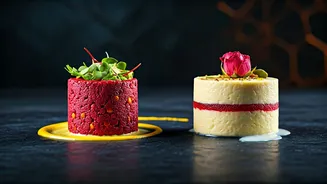
The grand finale of the meal, titled 'Nisarga' (Nature’s Creation), expertly wove together the cherished flavors of Indian sweets with sophisticated global patisserie techniques. The star dessert was a remarkable Rasmalai Tres Leches, featuring a delicate chena cake sponge that had been luxuriously soaked in sweetened milk, offering an incredibly moist and creamy texture. This indulgent creation was presented atop a crunchy Bajra (Pearl Millet) streusel, providing a textural contrast, and accompanied by a vibrant winter berry preserve. To quench their thirst, guests had a choice of beverages including the aromatic traditional Kashmiri Kahwa, the robust South Indian Filter Coffee, and the refined Darjeeling Tea. The meal concluded with a final, delightful flourish: an Indian Rose and Mishri Gulkand Chocolate Leaf, a playful nod to the traditional Paan, offering a sweet and aromatic conclusion.
Strategic Culinary Vision
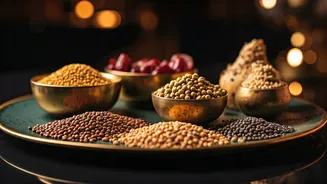
The dinner menu at the India-AI Impact Summit 2026 served a dual purpose, extending beyond mere gastronomic delight to underscore India's strategic national objectives. The prominent inclusion of various millets – such as Jowar, Jhangora, and Bajra – was a deliberate and visible demonstration of support for India's 'Millet Mission.' This initiative aims to promote climate-resilient crops, enhancing food security and promoting sustainable agricultural practices. By showcasing these ancient grains in a high-profile international setting, the menu communicated to global leaders that India is committed to innovative, sustainable farming as a core component of its AI-driven food strategy. It was a powerful statement about the nation's dedication to leveraging technology and traditional wisdom for a more secure and sustainable future.