



Total Cost Overlooked
Many potential electric vehicle owners get swayed by the initial sticker price, often overlooking the comprehensive cost of ownership. It's crucial to
look beyond the purchase price and factor in all associated expenses. This includes the ongoing costs of electricity for charging, regular maintenance that might differ from traditional cars, insurance premiums, and the eventual possibility of battery replacement, which can be a significant expense. A thorough calculation of these elements will provide a more accurate picture of the financial commitment involved and prevent surprises down the line, ensuring you're fully prepared for the long-term financial implications of owning an EV.
Charging Infrastructure Ignored
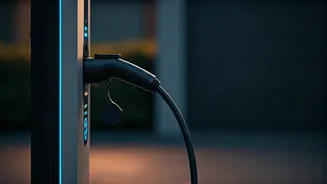
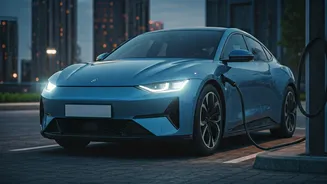
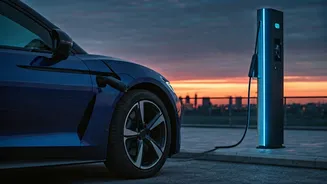
A significant oversight for new EV buyers is neglecting the charging infrastructure and the practicalities of charging times. Unlike filling up a petrol car in minutes, recharging an electric vehicle takes considerably longer, especially with standard home chargers. While fast chargers offer quicker top-ups, their availability can be sporadic. Potential buyers must meticulously assess their daily routes, home charging capabilities, and the density of public charging stations in their vicinity. Failing to address charging logistics can lead to considerable daily inconvenience and range anxiety, impacting the overall usability and enjoyment of the vehicle.
Real-World Range Misjudged
A prevalent mistake is placing excessive reliance on the manufacturer's stated range for electric vehicles. The 'advertised' range often represents ideal conditions, whereas real-world performance can fluctuate significantly. Factors such as driving style, the frequency of stopping and starting in traffic, ambient temperature, and the consistent use of climate control systems (like air conditioning or heating) all play a substantial role in reducing the actual distance you can travel on a single charge. Thoroughly researching owner reviews and, if possible, undertaking test drives under varied conditions are essential steps to gauge an EV's true range.
Battery Life Misunderstood
The battery is undeniably the most expensive component of an electric car, yet its lifespan and warranty coverage are frequently underestimated by first-time buyers. As batteries age, their capacity naturally degrades, affecting the vehicle's overall range and performance. It is imperative to scrutinize the specifics of the battery warranty, understanding its duration, mileage limits, and what constitutes covered degradation. Furthermore, researching the projected lifespan of the battery and the associated costs of replacement should be a key consideration before finalizing a purchase to avoid unexpected future expenses.
Resale Value Forgotten
The rapid evolution of electric vehicle technology means that today's cutting-edge model could seem outdated relatively quickly. Many buyers fail to consider the long-term implications of resale value and the pace of technological advancements. Opting for vehicles from reputable manufacturers known for their reliability and strong after-sales support is wise. Additionally, prioritizing models that incorporate future-ready technology can help ensure your investment retains its value better over time and makes it easier to upgrade or sell the vehicle in the future.