





When is Buddha Purnima?
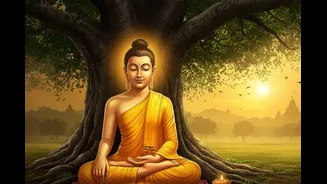
Buddha Purnima, also widely recognized as Buddha Jayanti, is a profoundly significant festival observed to commemorate the birth of Prince Siddharth Gautam,
the spiritual leader who eventually became known as Gautam Buddha and established Buddhism. This hallowed day is a major observance throughout South, Southeast, and East Asian countries. In 2026, the festival will fall on Friday, May 1st, marking the 2,588th birth anniversary of Gautam Buddha. The Purnima Tithi, which signifies the full moon phase, is set to commence on April 30, 2026, at 09:12 PM and will conclude on May 1, 2026, at 10:52 PM. This timing underscores the importance of the lunar cycle in its observance. The festival's roots are deeply intertwined with the Hindu lunar calendar, specifically falling on the full moon day of the month of Vaisakha, a period typically occurring between April and May.
Spiritual Significance Unveiled
The day of Buddha Purnima carries immense religious and spiritual weight for followers of Buddhism. It is widely revered as the day when Gautam Buddha achieved supreme enlightenment under the sacred Bodhi tree in Bodh Gaya. This pivotal moment marked the beginning of his spiritual journey and led to his delivery of the first sermon at Sarnath, setting forth his path to guide humanity. Beyond his birth, Buddha Purnima also acknowledges his enlightenment and his final passing into nirvana, making it a tripartite celebration of his life's most significant events. The festival serves as a global reminder to reflect upon his core teachings, emphasizing universal values such as deep compassion, unwavering non-violence, precise mindfulness, and the diligent pursuit of enlightenment as a path to inner peace and understanding.
Key Pilgrimage Sites
For Buddhists worldwide, several locations hold unparalleled importance as pilgrimage sites directly connected to the life and teachings of Gautam Buddha. Bodh Gaya in India stands as the most sacred, recognized as the hallowed ground where Buddha attained enlightenment under the Bodhi tree. Sarnath, also in India, is revered as the site where he delivered his first sermon after enlightenment, initiating the dissemination of Buddhist philosophy. Lumbini, located in modern-day Nepal, is celebrated as the birthplace of Prince Siddharth. Lastly, Kushinagar in Uttar Pradesh, India, is where Buddha attained parinirvana, his final liberation from the cycle of rebirth. These sites are not merely geographical locations but spiritual anchors, drawing devotees who seek to connect with the essence of Buddha's journey and wisdom.
Rituals for Prosperity
Buddha Purnima is not solely a day for spiritual contemplation but also an occasion to engage in various rituals believed to foster both spiritual growth and material well-being. A significant ritual involves venerating the Peepal tree, which is traditionally believed to be inhabited by Goddess Lakshmi, the deity of wealth and prosperity, on this auspicious day. Offering sweet edibles and water to the tree is thought to invite abundance and financial stability into one's life. Another key practice is Moon Puja, where devotees offer a sacred mixture of rice, milk, and sugar to the moon. This act is particularly recommended for individuals facing financial hardships, as it is believed to alleviate monetary difficulties and enhance overall fortune. Additionally, a specific remedy for financial challenges involves offering 10 cowrie shells in worship of Goddess Lakshmi, followed by tying them in a red cloth and storing them securely, signifying a commitment to good fortune.
Enhancing Inner Strength
Beyond rituals aimed at external prosperity, Buddha Purnima also offers opportunities for internal spiritual development and strengthening one's cosmic energies. To enhance the positive influence of the moon in one's astrological chart, a practice involves spending 15 minutes meditating or praying in moonlight before commencing any significant task, often accompanied by prayers to Lord Shiva. Furthermore, the observance of Yoga and Meditation, especially during periods like Shiva Yoga on Buddha Purnima, is considered highly beneficial. Engaging in these practices is believed to awaken dormant spiritual powers, unlock profound knowledge, and pave the way for success and fulfillment in life. It's a time for introspection and aligning oneself with the universal energies for personal and spiritual elevation.