


![T20 World Cup 2026: Sam Billings shares bold predictions ahead of mega event, locks India to finish runners-up [Exclusive]](https://g-mob.glance-cdn.com/public/fc/image/2mhQZBogkxh0.webp)
PCB's Unwavering Decision
Despite receiving a detailed, two-page appeal from Sri Lanka Cricket President Shammi Silva, which underscored the potentially catastrophic economic consequences
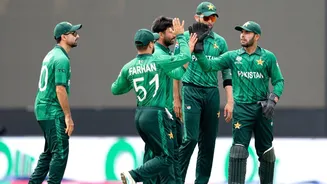
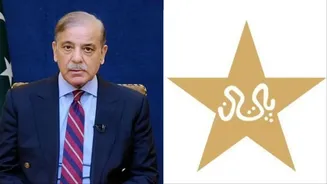
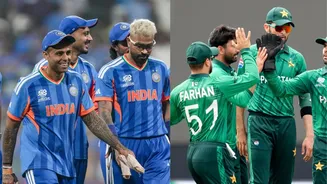
for the host nation, sources within the Pakistan Cricket Board have reiterated that the decision to boycott the match against India remains absolute and non-negotiable. The PCB has conveyed that their hands are tied by directives from the federal government, indicating that any reversal of this policy is solely within the purview of governmental authority. This firm stance comes as the T20 World Cup is on the cusp of commencement, suggesting a real possibility of a marquee India-Pakistan fixture being abandoned for the first time in ICC history due to political reasons, a development that has cast a shadow over the tournament and highlighted the intricate interplay between sports and international politics. The PCB's official response, as confirmed by their sources, is that while they acknowledge the letter, the government's decision cannot be overturned, placing the ultimate call firmly in the hands of the Pakistani government.
Sri Lanka's Economic Concerns
Sri Lanka Cricket's (SLC) urgent plea to the Pakistan Cricket Board (PCB) was not merely a sporting request; it was a stark warning about the severe economic damage that cancelling the highly anticipated India-Pakistan T20 World Cup match would inflict upon the host nation. SLC President Shammi Silva's letter meticulously outlined that all crucial commercial, operational, logistical, and security arrangements, including extensive hospitality planning and ticket sales, had already been finalized. The board emphasized that the absence of this fixture would trigger a massive, cascading negative effect across Sri Lanka's economy. This includes a significant wave of cancellations from international fans eager to witness the encounter, leading to a substantial loss of anticipated tourism inflows. Furthermore, the economic fallout extends to commercial interests, jeopardizing advertising revenues, broadcast ratings, and ticket sales for what is typically the tournament's most-watched game. The potential abandonment of this singular match poses a substantial threat to Sri Lanka's already fragile economic stability, underscoring the deep financial implications of the political standoff.
A History of Tensions
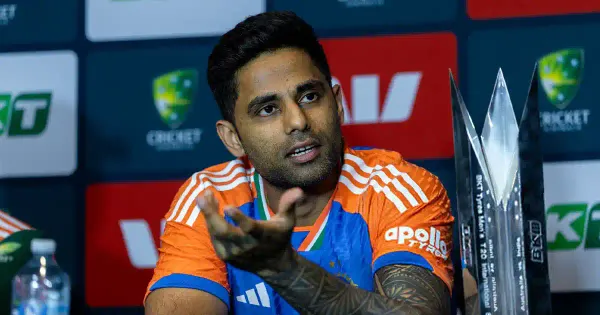
The current impasse between the Pakistan Cricket Board (PCB) and Sri Lanka Cricket (SLC) is not an isolated incident but rather the culmination of a year fraught with escalating hostility and strained relations between the two neighboring cricketing nations. The breakdown in camaraderie began to accelerate significantly following the tragic Pahalgam terror attacks in May 2025, which cast a long shadow over bilateral sporting interactions. This period saw several incidents that heightened tensions: in July 2025, two scheduled matches between India and Pakistan during the World Championship of Legends were controversially cancelled. During the subsequent Asia Cup, reports emerged of Indian players reportedly refraining from shaking hands with their Pakistani counterparts, a subtle yet significant indication of the frosty atmosphere. The situation reached a dramatic climax during a tournament final when India declined to accept a trophy presented by PCB chief Mohsin Naqvi. In a highly publicized event, Naqvi was seen leaving the venue with the silverware, which has reportedly remained in his possession, symbolizing the depth of the fractured relationship and serving as a prelude to the current boycott.
The Path to Boycott
The current boycott of the India match in the T20 World Cup by Pakistan stems from a sequence of events initiated by the International Cricket Council's (ICC) decision to replace Bangladesh with Scotland as a participant. Initially, Pakistan had threatened a complete withdrawal from the entire tournament, expressing solidarity with Bangladesh. However, on February 1st, the Pakistani government granted the national team permission to travel and compete in the global event. This approval came with a significant and defining stipulation: the team would not be permitted to take the field against India. While some prominent former cricketers have voiced hopes for a potential reconsideration or a change of heart after February 12th, the relentless march of time continues. With the global tournament officially set to commence, the unwavering government directive against playing India means that the boycott remains firmly in place, creating an unprecedented situation in cricketing history as the clock ticks down.