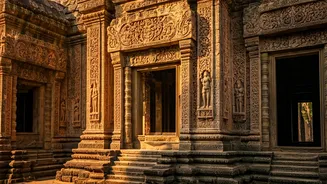

Architectural Marvels Revealed
India's ancient temples showcase an extraordinary range of architectural styles, representing the diverse dynasties and cultural influences that have shaped
the nation. Each temple, a masterpiece of design and engineering, reflects its unique regional traditions, religious beliefs, and artistic expressions. Some temples, like the Brihadeeswarar Temple in Tamil Nadu, exemplify the Dravidian style, characterized by soaring gopurams (towers) and intricate carvings. Others, such as the Khajuraho temples in Madhya Pradesh, showcase the Nagara style, known for its curvilinear towers and complex sculptural details. The construction methods, involving the use of carefully sculpted stones and innovative techniques, further highlight the ingenuity of ancient Indian artisans and engineers, who created structures capable of withstanding the test of time while captivating the imagination with their grandeur and beauty. These architectural wonders provide a tangible connection to the past, allowing visitors to experience the history and culture of India firsthand.
Historical Context: Echoes
The history of India's ancient temples is intertwined with the rise and fall of various empires and dynasties, each contributing to their development and significance. The temples served not only as places of worship but also as centers of social, economic, and political activity. They were often commissioned by rulers to demonstrate their power and piety, becoming symbols of royal authority and cultural identity. The temples witnessed significant events, including wars, invasions, and cultural exchanges, reflecting the dynamic history of the Indian subcontinent. Through inscriptions, carvings, and historical records, scholars have pieced together the narratives of these temples, revealing the beliefs, rituals, and societal structures of the people who built and worshipped within them. Understanding the historical context provides valuable insights into the temples' evolution, purpose, and impact on shaping the cultural landscape of India.
Spiritual Significance Deep Dive
Beyond their architectural and historical significance, the ancient temples of India hold profound spiritual meanings. They are considered sacred spaces, believed to be the abodes of deities and the gateways to spiritual enlightenment. The temples' rituals, practices, and iconography reflect the diverse religious beliefs of Hinduism, Buddhism, Jainism, and other faiths. The deities worshipped within the temples represent various aspects of the divine, and the elaborate ceremonies and offerings performed are intended to honor and connect with these deities. Pilgrims and devotees visit these temples to seek blessings, offer prayers, and experience a sense of connection with the divine. The temples also serve as important centers for learning, artistic expression, and community building, fostering a sense of shared spirituality that continues to shape the lives of millions across India.
Enduring Legacy Unfolded
The legacy of India's ancient temples extends far beyond their historical and spiritual significance, continuing to influence art, culture, and society today. They have inspired countless artists, writers, and filmmakers, providing a rich source of inspiration for creative endeavors. The temples' architectural styles, intricate carvings, and elaborate ornamentation have left an indelible mark on Indian art and architecture. They have also played a crucial role in preserving cultural traditions, transmitting knowledge, and fostering a sense of national identity. In contemporary India, these temples remain vital centers of community life, attracting tourists and pilgrims from all over the world. They continue to be revered as living monuments, representing the enduring spirit of the Indian people and their rich cultural heritage. Efforts to preserve and protect these temples are ongoing, ensuring that future generations can appreciate their beauty, significance, and legacy.