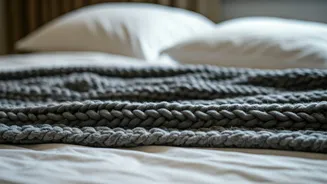








Embracing Winter Warmth
Winter's chill necessitates a well-prepared sleep sanctuary, and the bedsheet plays a pivotal role. The quest for optimal warmth requires more than just
piling on blankets; it starts with the right foundation. Different materials possess unique thermal properties, and understanding these can significantly improve your sleep quality during colder months. This involves considering factors like the thickness, weave, and breathability of the fabric, ensuring a balance between insulation and comfort. A well-chosen bedsheet can create a cocoon of warmth, contributing to a more restful and rejuvenating sleep experience as the temperatures drop outside. Focusing on these elements allows you to create a personalized haven of comfort that combats the winter's icy grip, paving the way for a more enjoyable and sound night's rest.
Material Matters Most
The fabric of a bedsheet is paramount in determining its warmth and comfort. Several materials stand out for their superior thermal qualities. Flannel, known for its brushed finish, traps air and creates a soft, insulating layer, making it a classic choice for winter. Microfiber is another popular option, offering excellent warmth and a smooth feel while being relatively affordable and easy to care for. Fleece bedsheets provide exceptional warmth, though their breathability may be lower than other options. For those who prefer natural fibers, wool bedsheets can deliver impressive insulation, albeit with a higher price tag. Cotton, when crafted with a tight weave like percale or sateen, can also offer warmth, especially when combined with a heavier weight. The choice of material should consider personal preferences for texture, breathability, and ease of maintenance.
Weave and Construction
Beyond the material itself, the weave plays a significant role in a bedsheet's thermal capabilities. A tighter weave generally creates a denser fabric, reducing the loss of heat and thus enhancing warmth. Flannel, with its brushed surface, traps warm air within its fibers, adding to its insulating properties. Microfiber sheets often feature a tightly woven construction, contributing to their warmth. Understanding weave types, like percale or sateen, allows for more informed choices. Percale, with its balanced weave, offers a crisp feel and good breathability, while sateen's weave provides a softer, silkier texture with slightly better heat retention. Consider the thread count, but remember that a high thread count doesn't always guarantee superior warmth; the material and weave are more important in this context. Evaluating these aspects helps tailor your selection to your precise requirements for winter comfort.
Key Features and Benefits
Several features contribute to the overall comfort and performance of winter bedsheets. Fitted sheets with deep pockets are essential to accommodate thicker mattresses, especially when combined with a mattress topper. Elastic all around the edges ensures a snug fit. Consider sets that include a flat sheet, which can provide an extra layer of warmth and protection. For convenience, look for machine-washable and dryer-safe options. Some bedsheets are treated with moisture-wicking properties, which can help regulate body temperature, preventing overheating and ensuring a more comfortable night's sleep. Consider features like wrinkle resistance and stain resistance for easier upkeep. By focusing on these attributes, you can choose bedsheets that not only keep you warm but also enhance your sleep experience, offering ease of use and long-term value.
Care and Maintenance
Proper care ensures longevity and the continued warmth of your winter bedsheets. Always follow the manufacturer's instructions for washing and drying. Generally, wash your sheets in cold or warm water with a mild detergent. Avoid using bleach, which can damage the fibers and reduce their insulating properties. Tumble dry on low heat to prevent shrinkage and damage. If you opt to air-dry, do so in a well-ventilated area, avoiding direct sunlight. Regular washing, typically every one to two weeks, helps to remove body oils and dust mites, maintaining hygiene and comfort. Storing your bedsheets properly when not in use is also important. Ensure they are completely dry before storage and place them in a clean, dry location. By adopting a suitable care regimen, you can prolong the life and maximize the performance of your winter bedsheets.