





A Global Recognition
India proudly boasts 44 UNESCO World Heritage Sites as of 2026, a testament to its vast historical and natural wealth. This impressive collection, comprising
36 cultural, 7 natural, and 1 mixed site, positions India as the sixth nation globally in terms of recognized heritage. These sites are scattered across diverse regions, offering a comprehensive narrative of over 4,000 years of Indian civilization. They encompass a wide array of historical marvels, including intricately carved temples, imposing forts, ancient cave dwellings, unique stepwells, historic railways, thoughtfully planned cities, and remnants of early settlements, all contributing to a vibrant and continuous cultural history that often transcends superficial understanding.
Early Inscriptions & Enduring Legacies
India's official engagement with UNESCO began in 1983, a significant year that saw four iconic landmarks inscribed simultaneously: the timeless Taj Mahal, the formidable Agra Fort, and the breathtaking Ajanta and Ellora Caves. This initial quartet laid the groundwork for an expansion that has since resulted in 44 distinct heritage sites. These sites are spread across 18 states and union territories, underscoring the nation's widespread historical significance. The journey of recognition has continued steadily, bringing to light diverse aspects of India's past, from the Harappan civilization to more recent architectural and cultural achievements.
Rock-Cut Wonders & Religious Harmony
Within Maharashtra lie the remarkable Ajanta and Ellora Caves, two distinct yet equally significant rock-cut complexes that chronicle different epochs and spiritual philosophies. The Ajanta Caves are celebrated for their exquisite Buddhist paintings and monastic structures, with origins dating back over two millennia. In contrast, the Ellora Caves present a unique synthesis, harmoniously integrating monuments dedicated to Buddhism, Hinduism, and Jainism within a single, expansive site. This exceptional coexistence of faiths at Ellora is a powerful symbol of India's historical tolerance and syncretic traditions, offering a profound insight into the spiritual landscape of ancient India.
Southern Temple Grandeur
Southern India is a treasure trove of magnificent temple architecture, with several sites earning global acclaim. Odisha's Konark Sun Temple, a 13th-century marvel, stands as a pinnacle of stone craftsmanship, its chariot-like structure intricately carved. Tamil Nadu's Great Living Chola Temples are brilliant examples of the architectural prowess and artistic vision of the Chola Empire, showcasing colossal vimanas and detailed sculptures. Furthermore, the Hoysala temples located in Belur, Halebid, and Somnathapura, inscribed in 2023, exhibit a sophisticated blend of various architectural styles, resulting in highly detailed and artistically rich sculptural monuments that captivate with their intricate artistry.
Mughal Architectural Zenith
The Mughal era left an indelible mark on India's architectural landscape, with several of its creations featuring on the UNESCO list. Humayun's Tomb in Delhi, erected in 1570, served as a crucial precursor, famously inspiring the architectural design of the Taj Mahal. The Red Fort in Delhi exemplifies the zenith of Mughal imperial architecture during the 17th century, a symbol of power and grandeur. Fatehpur Sikri, another significant Mughal city, briefly served as the empire's capital before its premature abandonment after just 14 years, leaving behind a ghost city that still speaks volumes of its past glory.
Colonial & Modern Imprints
India's more recent history, encompassing the colonial and modern periods, is also well-represented. Mumbai alone is home to multiple UNESCO sites, including the iconic Chhatrapati Shivaji Terminus (formerly Victoria Terminus) and the city's vibrant Victorian Gothic and Art Deco Ensemble. Chandigarh's Capitol Complex, a masterpiece designed by the renowned architect Le Corbusier, is part of a select global recognition, shared by only 17 of his projects worldwide. These sites highlight India's engagement with global architectural movements and its evolution into a modern nation.
Expanding Horizons of Heritage
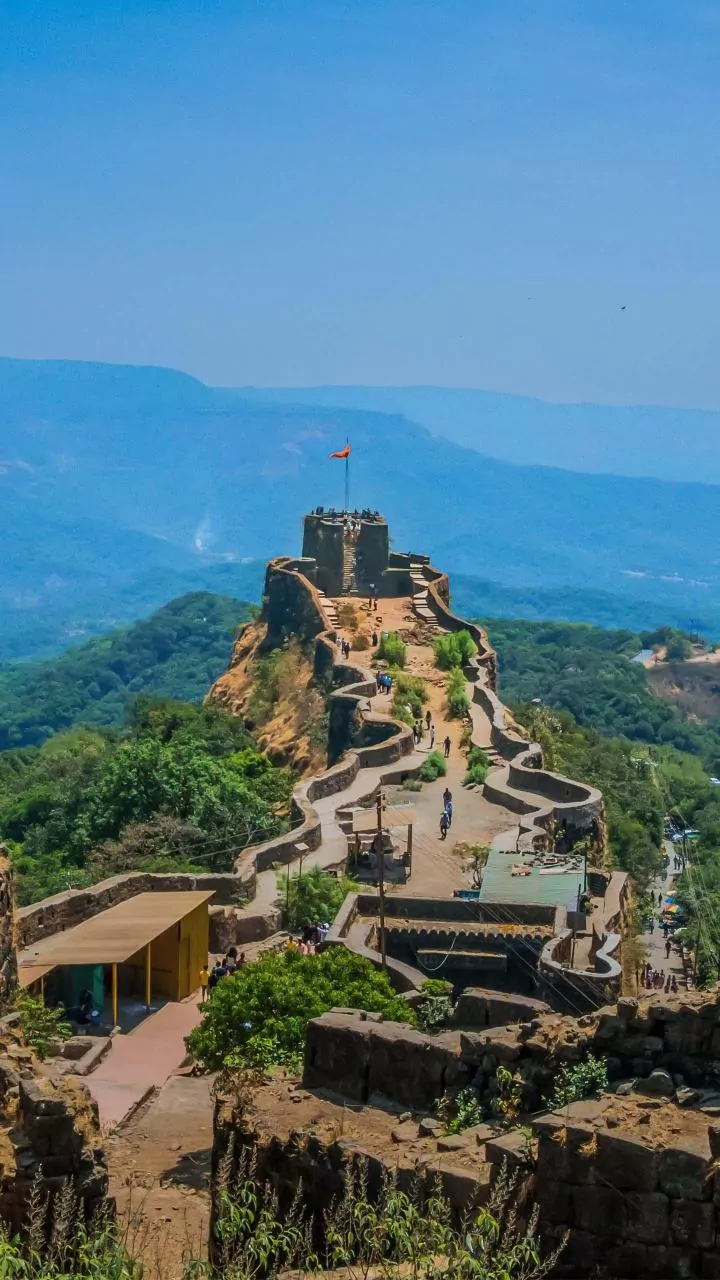
Recent years have seen UNESCO's recognition broaden to encompass newer geographical areas and historical narratives, diversifying India's heritage portfolio. Dholavira, inscribed in 2021, is a significant archaeological site, representing one of the largest discovered cities of the ancient Indus Valley Civilisation. Assam's Moidams, the royal burial mounds of the Ahom dynasty, were added in 2024, marking the first cultural UNESCO site from Northeast India. The Maratha Military Landscapes, a network of 12 strategically important forts from the Maratha Empire, joined the list in 2025, showcasing military architecture and strategic planning.
Living Heritage Sites
Not all UNESCO sites in India are static relics of the past; many continue to thrive as active centers of culture and life. Santiniketan in West Bengal, established by the Nobel laureate Rabindranath Tagore, remains a vibrant educational and cultural institution, embodying its founder's ideals. The Mountain Railways of India, including the historic Darjeeling Himalayan Railway, Kalka-Shimla Railway, and Nilgiri Mountain Railway, are fully operational heritage transport systems that continue to function over a century after their construction. These sites highlight the dynamic nature of heritage, demonstrating how historical places can remain relevant and functional in contemporary society.
A Tapestry of Civilizations
Collectively, India's 44 UNESCO World Heritage Sites transcend mere architectural achievements; they represent living temples, functioning railways, inhabited urban centers, and active cultural spaces. These sites offer a profound glimpse into the layered and enduring story of one of the world's most ancient civilizations. From the spiritual depths of Buddhist and Hindu traditions to the grandeur of Mughal and Maratha empires, and through the lens of colonial influences and modern innovation, they weave a comprehensive narrative that celebrates India's multifaceted past and its continuous evolution.