




Journey Transformation
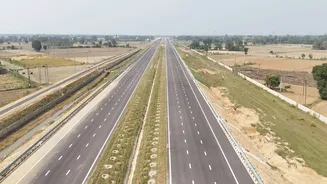
The long-anticipated Lucknow-Kanpur Expressway is on the cusp of opening, poised to revolutionize travel between these major Uttar Pradesh cities. This
ambitious 63-kilometer project is designed to slash the current 1.5 to 3-hour journey down to a mere 30 minutes. Officials highlight that the six-lane corridor will significantly alleviate traffic congestion, a common pain point for commuters navigating the existing routes during peak hours. The current distance between Lucknow and Kanpur is approximately 90 km, and this new infrastructure aims to make transit between them remarkably efficient, benefiting a wide range of travelers, from daily commuters to those making occasional trips.
Toll Concerns Emerge
While the prospect of drastically reduced travel time is exciting, the proposed toll rates for the new expressway have already ignited significant debate. For light motor vehicles such as cars, jeeps, and vans, a single trip from Lucknow to Kanpur is projected to cost Rs 275. Those planning a round trip within a 24-hour period will face a charge of Rs 415. For frequent travelers who opt for a monthly pass, covering 50 single trips, the cost escalates to Rs 9,220. This stands in stark contrast to the current toll on NH-27, which is Rs 95 for a one-way journey. Furthermore, there are indications that the National Highways Authority of India (NHAI) may consider increasing the existing toll on NH-27 once the new expressway becomes operational, intensifying concerns about affordability.
Cost Behind The Structures
Project officials have shed light on the reasons behind the elevated toll charges, attributing them to the complex engineering and extensive structures incorporated into the expressway's design. The necessity of bridges, flyovers, and elevated road sections to ensure a swift and seamless commute has substantially increased the project's overall cost. Nakul Prakash Verma, Project Director at NHAI, explained that toll rates are intrinsically linked to project expenditures. In this case, the inclusion of significant infrastructural elements, most notably a 10-kilometer-long flyover and several major bridges, has driven up the investment, consequently impacting the final toll pricing. These advanced features, while contributing to the high cost, are also key to achieving the drastically reduced travel times.
Expressway Features Detailed
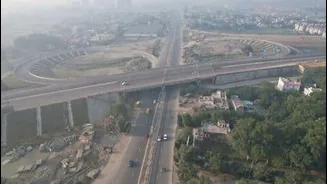
Constructed at an investment of Rs 3,700 crore, the 62.764-kilometer expressway is divided into two distinct packages. The first segment, spanning 17.52 kilometers within Lucknow district, is largely an elevated stretch. The second part comprises a 45.244-kilometer greenfield section situated in Unnao district. Construction on the Lucknow section, which began on February 2, 2023, had a target completion of July 2025. The Unnao stretch commenced work in November 2022 with a May 2025 deadline. Currently, the Unnao section is fully complete, with only about 2% of the work remaining on the Lucknow stretch. An initial delay in shifting a critical 400KV EHT electrical line at the Scooter India junction was a factor in the timeline, but this issue has since been resolved, allowing the project to near its completion.
Advanced Infrastructure
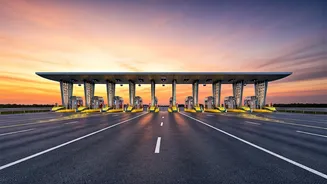
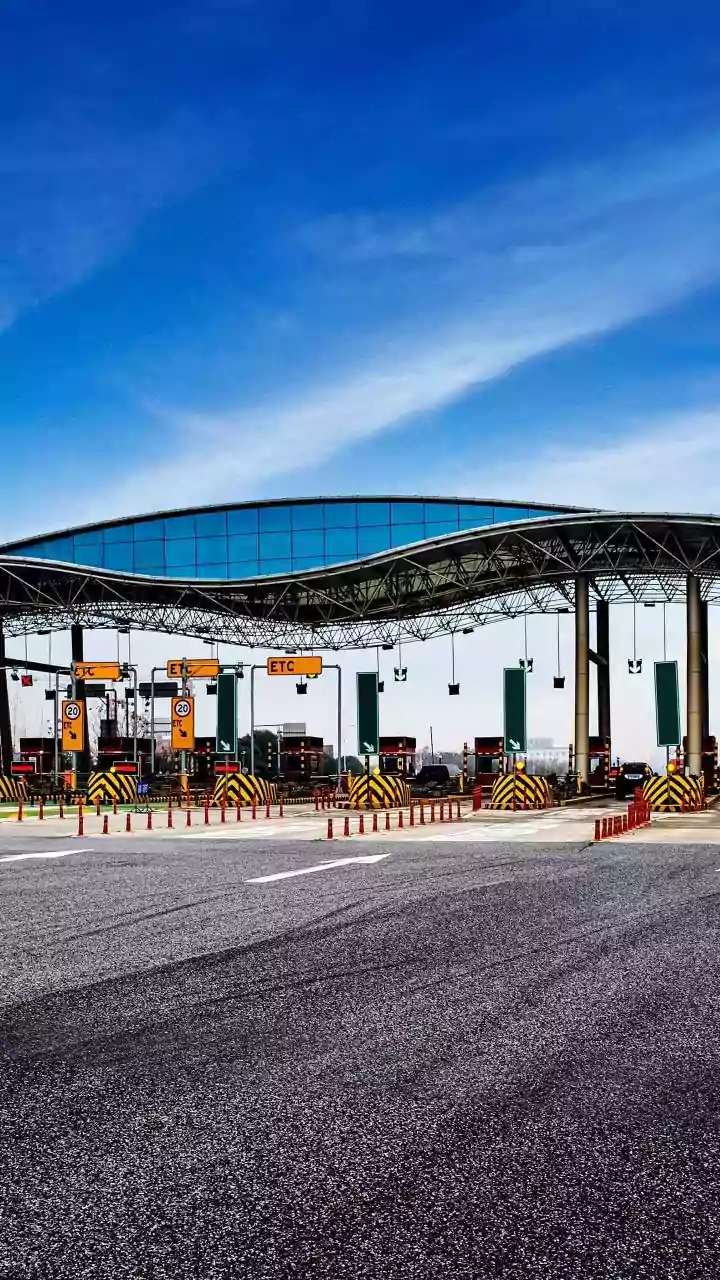
The expressway is replete with substantial infrastructure designed to enhance safety and efficiency. It features one prominent 10-kilometer-long flyover in Lucknow, complemented by four major bridges and a dedicated railway overbridge. To ensure smooth traffic flow and accommodate various needs, the route includes numerous underpasses. Specifically, there are 13 underpasses designated for light motor vehicles, 11 for general vehicle traffic, and 11 for pedestrians. The route is served by five toll plazas. Beyond this, the expressway is equipped with an Advanced Traffic Management System (ATMS). This sophisticated system can automatically detect vehicles exceeding the 120 km/hour speed limit and issue electronic challans. The ATMS comprises 63 pan-tilt cameras, 21 interchange cameras, 16 video incident detection systems, and two central control rooms strategically located at the 27 km and 35 km marks, aiming to minimize response times to any incidents.
Tolls For Commercial Vehicles
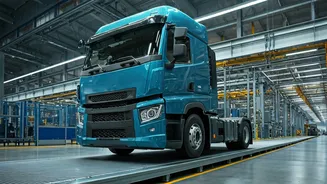
For commercial operators, the toll structure presents a different set of figures. Light commercial vehicles, including light goods vehicles and mini-buses, will incur a cost of Rs 445 for a single journey. A return trip within 24 hours for this category will amount to Rs 670, with a monthly pass for 50 single trips costing Rs 14,890. Buses and trucks will face higher charges, with a single journey costing up to Rs 935 and a return journey priced at Rs 1,405. The most substantial tolls are reserved for vehicles with seven or more axles, where a single trip is set at Rs 1,785, and a return journey within 24 hours is Rs 2,680. These rates reflect the increased operational costs and the significant investment in the advanced infrastructure of the expressway.