



Manipur's Lifeline
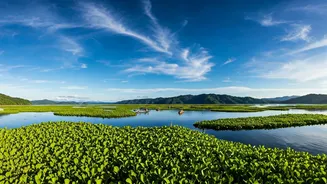
Loktak Lake, situated in the vibrant state of Manipur, stands as the most extensive freshwater lake in Northeast India. More than just a scenic expanse,
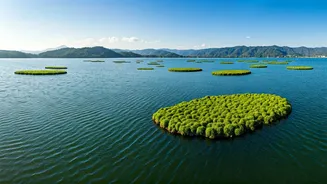
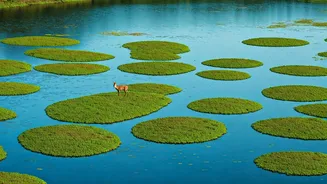
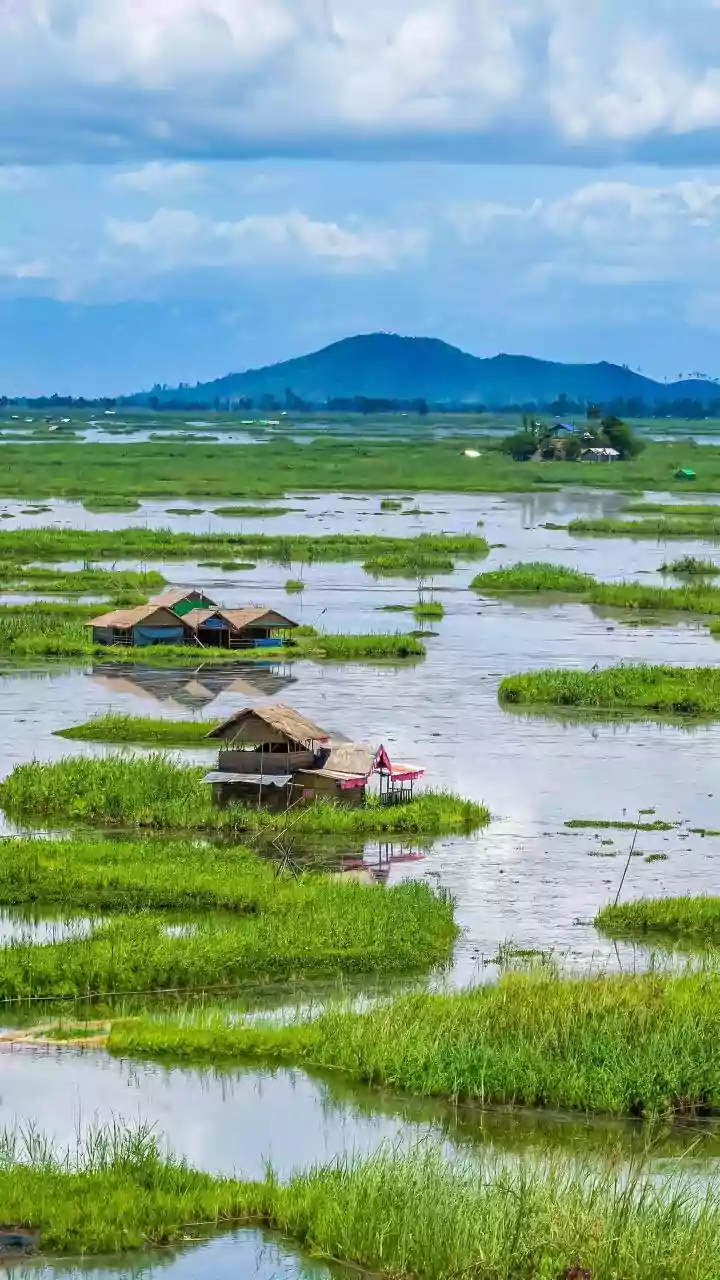
it serves as the critical lifeline for the region, providing sustenance through fishing and irrigation for numerous local communities. Its vast, shimmering surface is adorned with lush green patches, each a testament to the lake's vibrant ecosystem and its profound importance to the daily lives and cultural heritage of the people who call this area home. The mesmerizing beauty of Loktak is a constant draw, blending natural grandeur with essential resources.
The Floating Phumdis
The most striking feature of Loktak Lake is its collection of 'phumdis,' which are essentially natural, floating islands. These unique structures are composed of a dense amalgamation of decaying vegetation, soil, and organic matter, creating buoyant mats that drift across the water's surface. Much like icebergs, the majority of a phumdi's mass lies submerged, supporting their buoyancy. Some of these phumdis are substantial enough to host entire dwellings, including small agricultural plots cultivated by local inhabitants, showcasing an incredible adaptation to this aquatic environment.
Life on Phumdis
For generations, local communities have developed a symbiotic relationship with Loktak Lake, constructing their homes on smaller phumdis. These floating settlements, known as 'phumsangs,' allow fishermen to live and work directly on the water. Their traditional way of life is intricately woven into the lake's natural cycles, practicing sustainable fishing methods that have been passed down through families. This human element adds a unique dimension to the lake's landscape, highlighting a harmonious coexistence between people and nature on these extraordinary floating platforms.
World's Only Floating Park
Gracing the southeastern expanse of Loktak Lake is the Keibul Lamjao National Park, a truly remarkable place that holds the unique distinction of being the planet's sole floating national park. Encompassing an area of 40 square kilometers, this sanctuary is entirely situated upon a massive phumdi. Its existence fluctuates with the water levels of the lake, creating a dynamic and unparalleled wetland environment that is crucial for conservation efforts. The park's establishment was specifically to safeguard its delicate ecological balance.
Unique Wetland Habitat
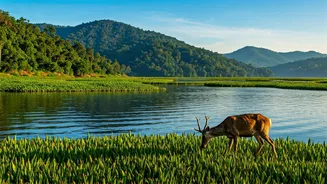
Keibul Lamjao National Park's floating meadows present a habitat that is truly singular in its composition and behavior. These phumdis serve as vital grazing areas, provide essential shelter, and act as breeding grounds for the park's diverse wildlife, most notably the Sangai. The ebb and flow of the lake's water throughout the seasons dramatically alter the park's physical makeup, contributing to its ever-changing, almost ethereal character. This constant transformation makes it a dynamic and fascinating ecosystem to observe.
Home of Sangai
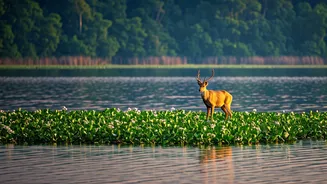
This exceptional park is the final natural refuge for the endangered Manipur brow-antlered deer, affectionately known as the 'Sangai.' Celebrated for its graceful movements across the spongy phumdis, the Sangai possesses delicate hooves perfectly evolved for navigating this peculiar terrain, earning it the nickname "dancing deer." Once feared extinct, the Sangai is not only Manipur's state animal but also a powerful symbol of successful conservation initiatives and the resilience of nature.
Rich Biodiversity Hub
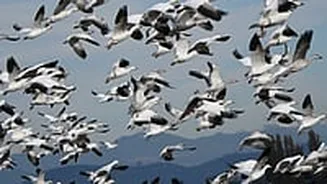
Beyond the iconic Sangai, Loktak Lake and its surrounding park teem with a rich array of wildlife. Visitors can spot hog deer, playful otters, and a multitude of waterfowl, including migratory birds that grace the waters during the winter months. The phumdis themselves are thriving ecosystems, supporting a diverse range of aquatic plants and small animals, further solidifying Loktak's status as a crucial Ramsar wetland site of global significance. This vibrant biodiversity sustains both the natural world and the livelihoods dependent upon it.
A Cherished Treasure
Recognized as a tentative UNESCO World Heritage site, Loktak Lake and Keibul Lamjao National Park face significant environmental pressures. Fluctuations in water levels, pollution, and habitat encroachment pose ongoing challenges to their preservation. Safeguarding this invaluable jewel of Manipur is paramount for the survival of the Sangai and the unique ecological systems it supports. Those who visit depart with profound memories of one of nature's most extraordinary and awe-inspiring creations.