




Master Hydration Wisely
During intense Indian summers, the soil's surface dries out rapidly, yet excessive moisture can still lead to root rot. To ensure your plants get the right
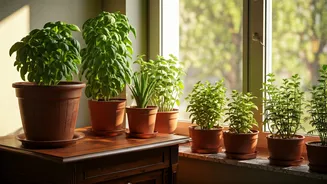
amount of water, employ the finger test: insert your finger about two inches into the soil; if it feels dry, it's time to water. Provide a thorough watering until excess liquid drains from the pot's base. Crucially, empty the saucers within thirty minutes after watering to prevent waterlogged conditions. The ideal time to water is early in the morning, between 6 am and 8 am, as this minimizes water loss through evaporation and reduces the risk of fungal diseases that thrive in dampness. Using room-temperature water and opting for terracotta pots, which offer superior breathability compared to plastic, will further benefit your plants.
Strategic Shade Solutions
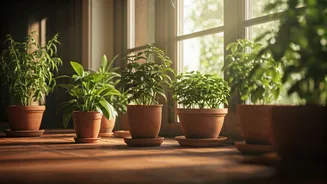
Protect your plants from the relentless midday sun, which can inflict severe damage and cause leaves to appear scorched or develop crispy, yellow edges. Between 11 am and 3 pm, when solar intensity is at its peak, relocate potted plants to areas that receive only about 50% shade, such as the east or north sides of your home. Clustering plants together can also create a beneficial microclimate, increasing local humidity. To further aid their well-being, gently wipe dust off leaves weekly using a damp microfiber cloth; this simple act can enhance photosynthesis by up to 20%, contributing to their overall health and vibrancy. This protective measure is vital for preventing leaf burn and maintaining vibrant green foliage.
Mulch for Moisture Retention
Enhance your soil's ability to retain moisture and regulate temperature by applying a 1-2 inch layer of organic mulch. Suitable materials include coco peat, dried neem leaves, or even crushed pistachio shells. This protective layer significantly reduces water evaporation by as much as 30%, thus conserving precious water resources and buffering the soil against drastic temperature fluctuations. Furthermore, it helps keep plant roots cool without the risk of waterlogging. It's important to avoid piling the mulch directly against the plant's stem, as this can create an environment conducive to rot and disease, compromising the plant's structural integrity.
Boost Humidity Naturally
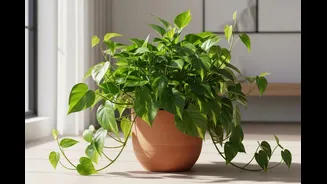
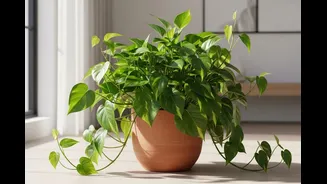
Combat the dry summer air without resorting to frequent misting, which can inadvertently foster fungal growth. An effective method is to arrange pots on trays filled with pebbles and a shallow layer of water. As the water evaporates passively, it naturally increases the humidity around your plants by up to 40%. This technique is particularly beneficial for tropical species like money plants. Alternatively, placing humidity-loving plants in areas like your bathroom can provide them with the moisture they need while also adding an aesthetic touch to your daily routine.
Prune and Fertilize Lightly
During the summer months, it's advisable to ease up on heavy fertilization. Instead, focus on light feeding if necessary. Pruning plays a crucial role in plant health by removing dead or yellowing leaves, which redirects the plant's energy towards new growth and overall vitality. Ensure you use sterilized pruning shears to prevent the spread of diseases. Additionally, regularly inspect your plants for any signs of insect infestations or pests on the leaves and remove them promptly. This combined approach of judicious pruning and mindful feeding supports healthier, more robust plant development throughout the hot season.