







PCB's Unwavering Stance
The Pakistan Cricket Board (PCB) has officially communicated its inability to alter the decision regarding the boycott of the T20 World Cup 2026 match
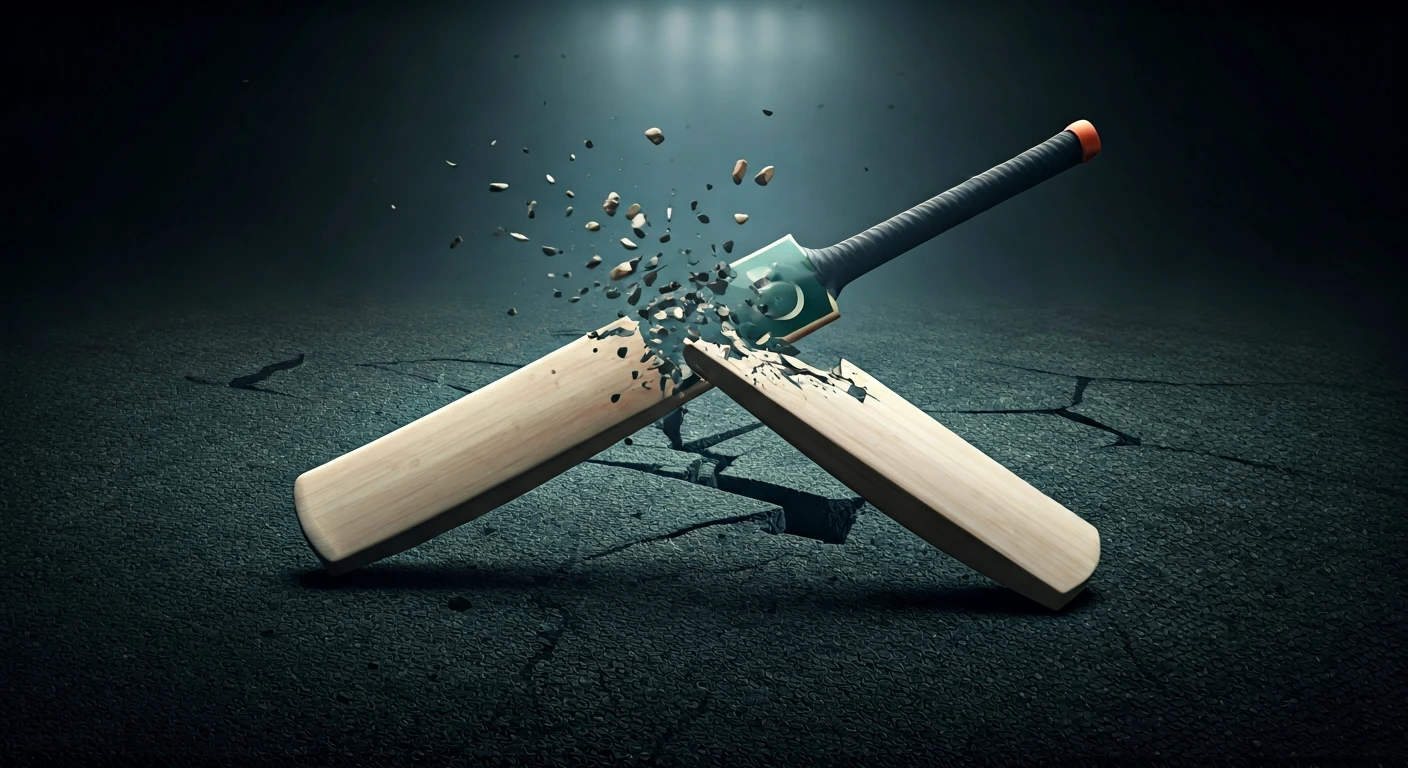
against India, despite receiving a comprehensive two-page letter from Sri Lanka Cricket (SLC) President Shammi Silva. The letter detailed potential 'catastrophic' economic repercussions for Sri Lanka if the highly anticipated fixture were to be called off. Sources within the PCB have explicitly stated that the final authority rests with the Pakistani government, and their directive on the boycott remains absolute. This declaration comes as the tournament is on the cusp of its commencement, signaling a real possibility of a marquee India-Pakistan encounter being abandoned for the first time in ICC history due to political disagreements, a move that has sent ripples of concern through the cricketing world. The PCB's hands are tied, as they are bound by the federal government's mandate, leaving no room for negotiation on this critical matter.
Sri Lanka's Economic Fears
Sri Lanka Cricket’s urgent plea was underscored by a stark warning of significant economic damage to the host nation. The SLC President's letter emphasized that all logistical, operational, and security arrangements, including crucial hospitality and ticket sales, had already been finalized for the India-Pakistan clash. The board cautioned that canceling this match would trigger a severe economic fallout, with immediate consequences including a wave of hotel cancellations from international fans eager to witness the high-voltage encounter. Furthermore, the anticipated loss of vital tourism revenue streams could lead to a broader economic crisis for Sri Lanka. The cancellation also poses a considerable threat to commercial interests, impacting advertising revenue, broadcast viewership ratings, and ticket sales, all of which were heavily reliant on the draw of the most-watched match in the tournament.
Escalating Hostilities Timeline
The current diplomatic standoff is the culmination of a year characterized by unprecedented tensions between India and Pakistan in the cricketing arena. Relations began to sour significantly following the unfortunate Pahalgam terror attacks in May 2025. This period saw a series of unsettling incidents that further strained ties. In July 2025, two scheduled matches between the arch-rivals during the World Championship of Legends were abruptly cancelled. During the subsequent Asia Cup, reports emerged of Indian players declining to shake hands with their Pakistani counterparts, indicating a palpable frostiness. The situation reached a boiling point with what has been dubbed 'The Trophy Incident'. Following a tournament final, India refused to accept the trophy from PCB chief Mohsin Naqvi. In a dramatic turn of events, Naqvi departed the venue with the silverware, which has remained in his possession, symbolizing the depth of the animosity.
The Path to Boycott
The direct catalyst for the current boycott emerged from the ICC's decision to replace Bangladesh with Scotland in the T20 World Cup 2026 lineup. Initially, Pakistan had expressed strong intentions to withdraw from the entire tournament in a show of solidarity with Bangladesh. However, on February 1, the Pakistani government granted the team permission to travel and compete. This approval came with a significant caveat: the Pakistani team would not participate in any match against India. While some former cricketers and observers held out hope for a change of heart, potentially after February 12, the clock is relentlessly ticking as the global tournament is set to officially commence, solidifying the PCB's firm stance on the matter.