
The White Salt Desert
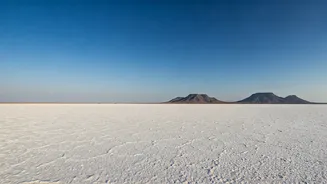
The Rann of Kutch is a geographical marvel, renowned globally for its expansive white salt desert. This remarkable landscape is formed by the seasonal
flooding of the Arabian Sea, leaving behind a stark, yet stunning, white crust of salt. The vastness of this area creates an illusion of endlessness, especially during the dry season when the land becomes a dazzling white canvas under the sun. The sheer scale and unique composition of the Rann make it a prime location for photography and an unforgettable sight for visitors. The salt flats also support a variety of unique ecosystems, showcasing nature's resilience in an otherwise harsh environment, where diverse species thrive despite the climatic challenges. The interplay of light and shadow on the salt creates an ever-changing visual spectacle, solidifying the Rann's reputation as a top destination in Gujarat.
Kala Dungar: The Black Hill
Rising dramatically from the flat salt plains is Kala Dungar, also known as the Black Hill, offering panoramic views of the Rann of Kutch and the surrounding areas. The elevation of Kala Dungar provides a breathtaking vantage point from which to appreciate the vastness of the white desert. The hill's dark hue contrasts sharply with the blinding white salt, creating a visually striking landscape. A visit to Kala Dungar is an enriching experience, allowing visitors to witness the unique geological formations and the biodiversity that thrives in this environment. The views from the summit, especially during sunrise and sunset, are truly spectacular, making it a must-visit destination for anyone exploring the Rann of Kutch. The contrast between the darkness of the hill and the shimmering white salt creates a sense of awe and wonder.
Wildlife and Grasslands
The Rann of Kutch and its adjacent areas are home to a surprisingly diverse array of wildlife, including the Kalo Dungar Wildlife Sanctuary and the Banni Grasslands. Despite the harsh environment, these regions support various species adapted to the unique conditions. The Banni Grasslands, in particular, are vital for sustaining wildlife during the dry season. The sanctuary and grasslands together offer a glimpse into the resilient biodiversity of the region. Visitors have opportunities to spot various species, including migratory birds that visit the area, making it a paradise for bird watchers and wildlife enthusiasts. Exploring these protected areas is an enriching experience that highlights the importance of environmental conservation efforts in preserving the Rann's natural heritage.
Optimal Visiting Times
The best time to experience the Rann of Kutch is during the cooler months, specifically from October to March. During this period, the weather is more pleasant, with lower temperatures and less humidity, making it ideal for outdoor activities and exploration. The white salt desert is usually dry during these months, allowing easy access for tourists and facilitating the organization of events like the Rann Utsav. The clear skies also enhance visibility, offering stunning views and photographic opportunities. Conversely, the summer months bring intense heat, which can make it uncomfortable to explore the area. The monsoon season sees the Rann partially submerged, altering its landscape and accessibility, hence the importance of planning a visit within the recommended timeframe to make the most of the experience.
Bhuj and Cultural Spots
Bhuj, the largest city near the Rann of Kutch, serves as a cultural hub and a convenient base for exploring the surrounding areas. Here, travelers can immerse themselves in the local culture, explore historical sites, and discover the craftsmanship of the region. The city offers a rich tapestry of history, art, and architecture. Mandvi, a coastal town nearby, offers picturesque beaches and is famous for its shipbuilding heritage. Exploring these cultural spots provides a broader understanding of the region's heritage and way of life. Additionally, smaller villages around the Rann offer unique glimpses into local traditions, crafts, and hospitality, making a visit to these cultural hotspots a rewarding experience, enriching the overall travel experience.