







Soil: Not A Machine
India's journey towards food security has made strides, yet a significant challenge still exists: nutritional security. The cornerstone of this issue lies
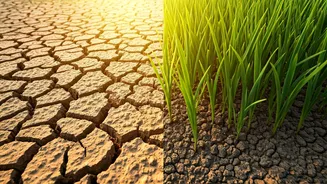
in the state of our soil. The soil isn't merely a vessel for plant growth; it's a complex ecosystem. Soil degradation has diminished the nutrient content within the crops, specifically wheat, rice, and pulses, which form the dietary staples of Indians. These foods now lack essential nutrients, despite the availability of food, posing serious health concerns.
Food, Nutrition, & Health
A recent study's findings indicate a troubling reality. The soil quality directly affects what ends up on our plates and, ultimately, our health. Even with sufficient food available, malnutrition persists. The degradation of soil impacts the nutritional density of staple crops, leading to widespread deficiencies. A think tank's research has highlighted that the link between degraded soil health and the nutrients available is crucial to understanding the country's malnutrition problem.
What Leads To Decline?
The decline in soil health is a complex outcome stemming from diverse causes. The widespread implementation of unsustainable agricultural practices is one of the key factors, including the overuse of chemical fertilizers and pesticides. Poor soil management leads to erosion, nutrient depletion, and a reduction in the soil's capacity to support healthy plant growth.
Dal-Chawal and Beyond
The persistence of malnutrition in India, despite access to staple foods like dal and chawal, underscores a serious issue. The nutritional quality of these foods, heavily affected by the condition of the soil, is a critical factor. Even when people consume their daily fill, the lack of essential nutrients in their meals compromises their health and well-being, indicating the urgent need for a soil-focused approach to nutrition.