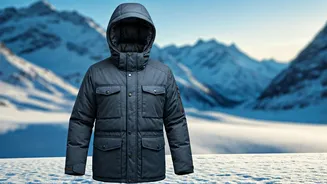

Prioritize Insulation and Warmth
When choosing a winter jacket, the primary focus should always be warmth. Look for jackets with high-quality insulation, such as down or synthetic materials.
Down jackets are known for their exceptional warmth-to-weight ratio, making them ideal for extremely cold conditions. Synthetic insulation, like polyester, is a good alternative as it retains warmth even when wet and is often more affordable. Consider the fill power of down jackets, which indicates the quality of the down. Higher fill power means better insulation. Ensure the jacket has a well-designed hood to protect your head and face from the elements. Furthermore, check for features like a storm flap over the zipper and adjustable cuffs to seal out cold air.
Consider Jacket Style Options
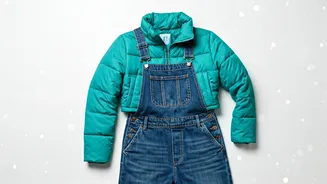
Winter jackets come in various styles, each serving different purposes and aesthetic preferences. Parkas are a classic choice, offering maximum coverage and warmth, often extending to the mid-thigh or below. They typically have a fur-lined hood and a heavy-duty construction, suitable for harsh winter climates. Puffer jackets are another popular option, known for their quilted design and down or synthetic insulation. They provide excellent warmth and are lightweight and packable. For a more stylish look, opt for a wool or wool-blend coat. These coats offer a sophisticated appearance while providing decent warmth, suitable for milder winters or layering with warmer garments. Bomber jackets, with their shorter length and fitted design, can also be winter-ready when insulated and made of water-resistant materials.
Water Resistance is Key
Water resistance is a crucial feature for any winter jacket, protecting you from snow, rain, and slush. Look for jackets with a durable water repellent (DWR) coating, which causes water to bead up and roll off the fabric. Waterproof jackets offer complete protection, often featuring a waterproof membrane and sealed seams. The level of water resistance you need depends on your local climate. If you live in an area with frequent snowfall or heavy rain, a fully waterproof jacket is essential. For milder climates, a water-resistant jacket might suffice. Additionally, consider the breathability of the jacket, especially if you engage in physical activities. Breathable fabrics allow moisture to escape, preventing overheating and discomfort.
Features for Cold Conditions
Pay attention to additional features that enhance the functionality of your winter jacket in cold conditions. Pockets are essential for storing essentials like gloves, a phone, and keys. Look for jackets with multiple pockets, including handwarmer pockets lined with soft fleece or other insulating materials. A secure internal pocket can be useful for safeguarding valuables. Consider the presence of a hood; it should be adjustable for a snug fit and ideally detachable for versatility. Adjustable cuffs and a hem allow you to seal out drafts and customize the fit. Some jackets include features like a snow skirt, which helps prevent snow from entering the jacket from below, and ventilation zippers under the arms for breathability during strenuous activities. Reflective elements can enhance visibility in low-light conditions, adding an extra layer of safety.
Choosing the Right Fit
The fit of your winter jacket affects its comfort, warmth, and overall performance. Make sure the jacket allows for layering. You should be able to comfortably wear a sweater or other insulating layers underneath without feeling restricted. Check the length of the jacket; a longer coat offers more warmth and protection from the elements, while a shorter jacket provides greater mobility. Consider the size of the sleeves; they should be long enough to cover your wrists and prevent cold air from entering. The shoulder seams should align with your shoulders for a proper fit. Read online reviews and consult size charts before purchasing, and if possible, try on the jacket in person to ensure it fits well and suits your body type.
Maintenance and Care
Proper care and maintenance will extend the life and performance of your winter jacket. Always follow the manufacturer's instructions for washing and drying. Down jackets often require special care, such as washing with a down-specific detergent and tumble drying on low heat with dryer balls to restore loft. Synthetic jackets are generally easier to care for but should still be washed and dried according to the instructions. If your jacket has a DWR coating, it may need to be reapplied periodically. Store your jacket properly when not in use, ideally in a cool, dry place. Avoid compressing down jackets for extended periods, as this can damage the insulation. Regular maintenance will help keep your jacket in good condition, ensuring it continues to provide warmth and protection season after season.