








The Incident Unfolds
On a recent operational day at Mumbai's bustling Chhatrapati Shivaji Maharaj International Airport, a peculiar ground traffic incident unfolded involving
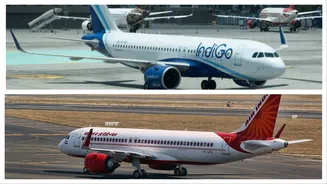
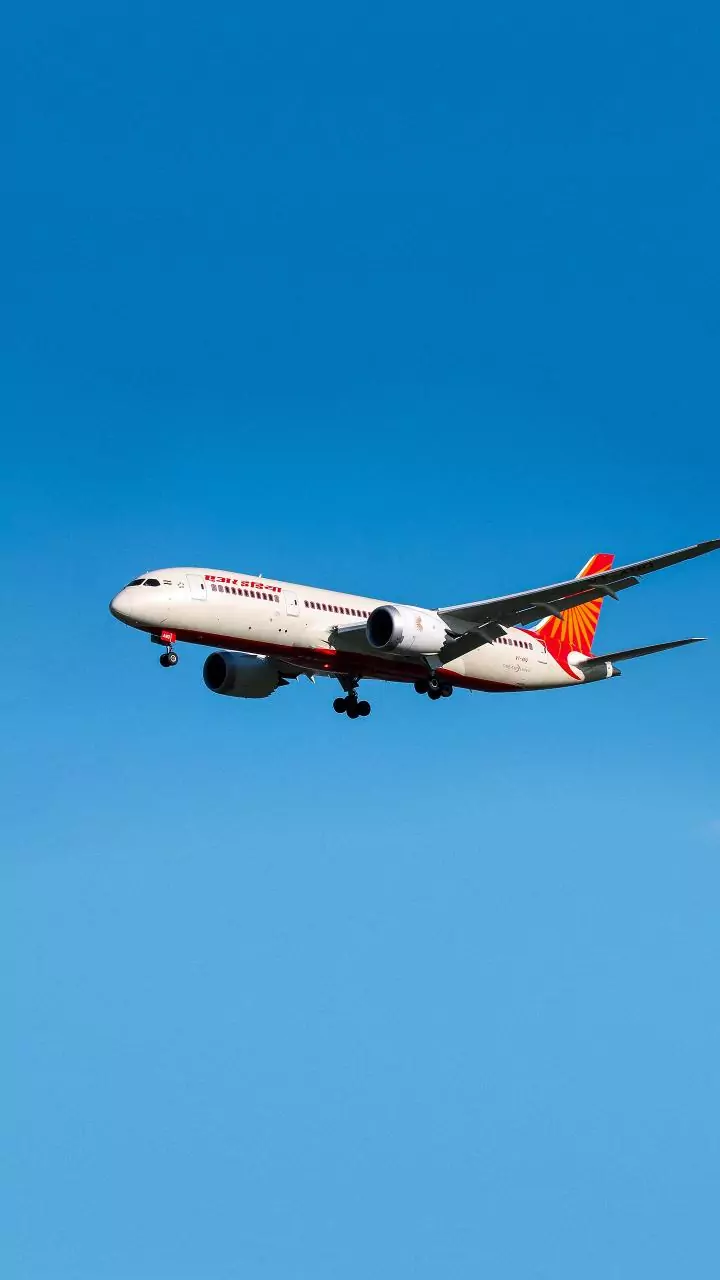
two major domestic carriers. An Air India flight, AI2732, bound for Coimbatore, was stationary on the taxiway, preparing for its departure. Simultaneously, an IndiGo aircraft, flight 6E 791, which had just completed its journey from Hyderabad, was maneuvering on the taxiway post-landing. As the Air India plane proceeded from taxiway C1 towards M4 for its takeoff clearance, and the IndiGo plane was taxiing and joining taxiway B1, their respective right wingtips inadvertently brushed against each other. Both aircraft were in motion during this unexpected contact, a situation that rarely occurs in the controlled environment of an airport apron and taxiways.
Immediate Aftermath & Passenger Safety
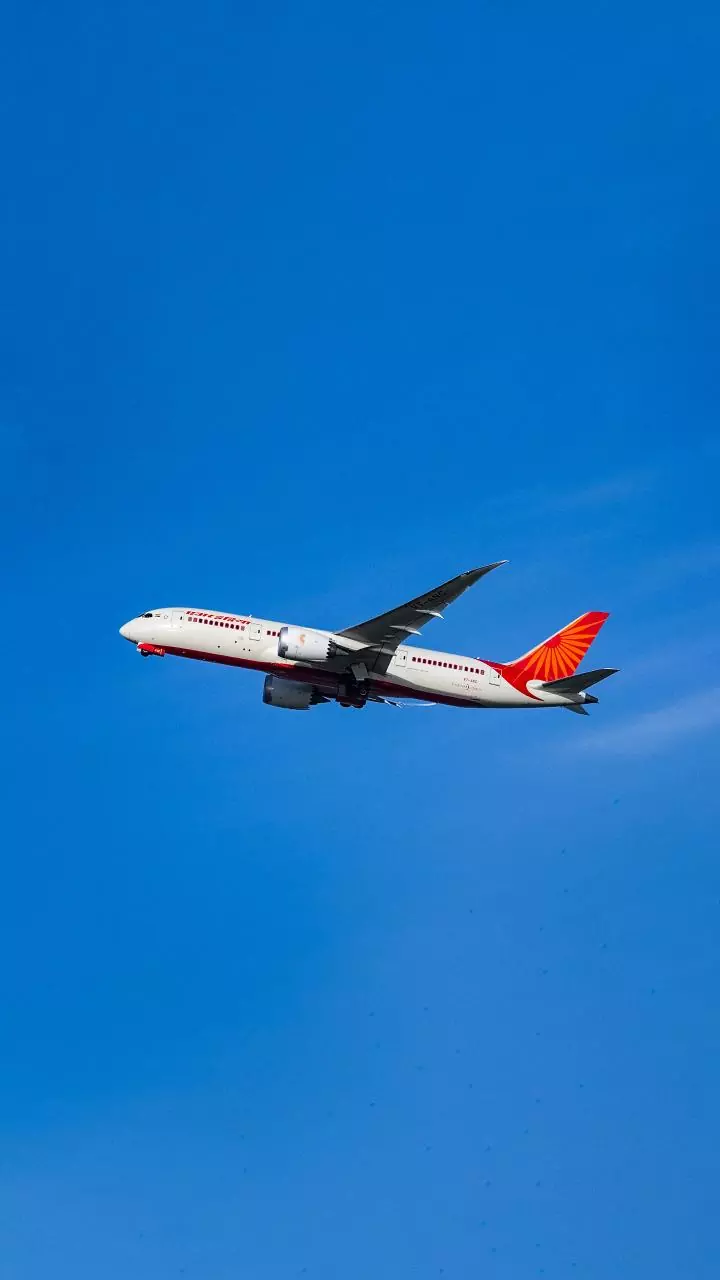
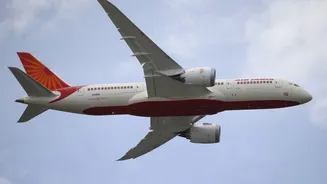
Following the wingtip contact, both aircraft immediately returned to their designated bays for thorough safety checks. The safety of passengers was paramount, and in both instances, all individuals aboard both flights were able to deplane without any reported injuries. The Air India spokesperson confirmed that their flight AI2732 experienced a delay due to the incident. As a precautionary measure, the aircraft was grounded for comprehensive technical assessments, including detailed checks of the damaged wingtip. The airline's ground teams promptly initiated arrangements to provide alternative flights for the stranded passengers, ensuring their onward journey to Coimbatore was facilitated at the earliest opportunity. Similarly, IndiGo confirmed that flight 6E 791's passengers disembarked safely after the aircraft was parked at the gate, and the plane was subsequently sent for maintenance inspections.
Regulatory Scrutiny & Investigation
Adhering strictly to aviation safety protocols, both Air India and IndiGo promptly notified the Directorate General of Civil Aviation (DGCA) about the ground collision. The DGCA acknowledged the incident, referring to it as a 'Ground Incident Involving Air India and IndiGo A320 Aircraft at Mumbai Airport'. DGCA officials were dispatched to the scene to conduct an on-site assessment of the situation. Both aircraft were returned to their respective bays for detailed inspections to ascertain the extent of the damage and the potential causes of the rare taxiway encounter. The incident has triggered an official investigation by the regulatory body, which will aim to understand the sequence of events and identify any contributing factors to prevent similar occurrences in the future. Further updates are anticipated from the aviation authorities once the investigation reaches its conclusions.
Mumbai Airport Operations & Context
Despite the rare occurrence of this taxiway collision, operations at Mumbai Airport, one of India's busiest aviation hubs, continued to run normally. This incident, however, serves as a salient reminder of the intricate ground traffic management required at major airports, especially those experiencing high volumes of air travel. The close proximity of aircraft during taxiing, coupled with the constant movement of ground support vehicles, necessitates meticulous attention to detail from pilots and ground crew alike. While such incidents are uncommon, they highlight the continuous need for robust safety procedures and vigilant air traffic control to ensure the seamless and secure functioning of airport operations amidst increasing air traffic demands.