
PCB's Unwavering Stance
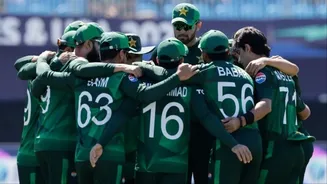
The Pakistan Cricket Board (PCB) has firmly communicated that its decision to boycott the T20 World Cup 2026 match against India cannot be reversed, despite
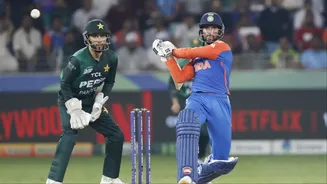
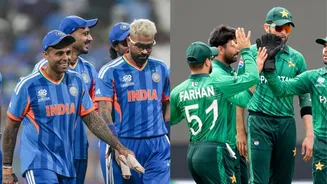
a heartfelt appeal from Sri Lanka Cricket (SLC). The PCB cites federal government directives as the sole reason for this unyielding position, emphasizing that the ultimate authority rests with the government. This confirmation comes as the tournament is on the cusp of commencing, suggesting the unprecedented possibility of a major India-Pakistan encounter being forfeited due to political reasons, a scenario never before witnessed in the International Cricket Council's history. Sources within the PCB have explicitly stated that while the letter from SLC President Shammi Silva, warning of severe economic consequences, has been received, it does not alter the non-negotiable nature of the boycott. The PCB's hands are tied by the mandate, leaving no room for negotiation on this critical matter.
Sri Lanka's Economic Woes
Sri Lanka Cricket's plea to the PCB highlighted the dire economic implications of canceling the highly anticipated India-Pakistan fixture. The SLC President's detailed two-page letter underscored that all commercial, operational, logistical, and security arrangements had been meticulously finalized, including extensive hospitality plans and robust ticket sales. The board expressed grave concern over a potentially catastrophic ripple effect on the nation's economy. Key areas of impact include widespread hotel cancellations as international fans reconsider their travel plans, a significant reduction in anticipated tourism revenue which is vital for Sri Lanka's financial stability, and substantial losses in commercial interests such as advertising revenue, broadcast viewership ratings, and ticket sales. The cancellation of the tournament's most-watched game would undoubtedly lead to a severe economic downturn for the host nation.
Deteriorating Bilateral Ties
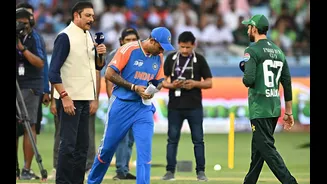
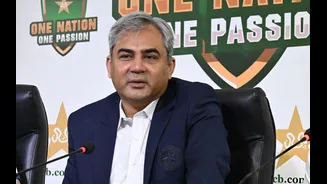
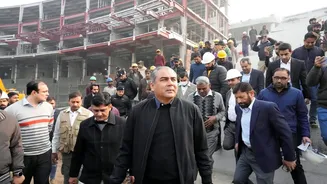
The current crisis stems from a year marked by escalating hostility and strained relations between India and Pakistan in the cricketing world. The deterioration began noticeably following the tragic Pahalgam terror attacks in May 2025, casting a long shadow over future sporting engagements. A significant point of friction occurred in July 2025 when two scheduled matches between the arch-rivals in the World Championship of Legends were abruptly canceled, signaling the deepening rift. Further amplifying the tension, during the Asia Cup, Indian players reportedly declined to engage in customary handshakes with their Pakistani counterparts. The situation reached a dramatic climax during a tournament final when India refused to accept the trophy from PCB chief Mohsin Naqvi. In a peculiar turn of events, Naqvi departed the venue with the silverware, which has since remained in his possession, symbolizing the heightened animosity.
Seeds of the Boycott
The decision to boycott the India match was directly triggered by the ICC's controversial choice to substitute Bangladesh with Scotland for the T20 World Cup. Initially, Pakistan had threatened a complete withdrawal from the entire tournament in a show of solidarity with Bangladesh. Subsequently, on February 1, the Pakistani government granted its team permission to travel and compete, but with a stringent condition: the team was explicitly forbidden from taking the field against India. While some former cricketers express a glimmer of hope for a policy reversal post-February 12, the ticking clock underscores the gravity of the situation as the global tournament is set to officially commence. The current trajectory indicates a strong likelihood of the boycott remaining in effect.