







Traveler Benefits Simplified
India has introduced the Baggage Rules 2026, aiming to revolutionize the international arrival and departure experience by simplifying customs procedures
and enhancing transparency. These comprehensive regulations, including the New Customs Baggage (Declaration and Processing) Regulations, 2026, and a Master Circular, are set to significantly reduce waiting times at airports and generally improve the journey for all passengers. The overarching goal is to create a more efficient and passenger-friendly environment, acknowledging the increasing volume of global travel and the need for modern, straightforward customs processes. This initiative signals a commitment to adapting customs frameworks to better serve the evolving needs of international voyagers, ensuring a less cumbersome entry and exit into the country.
Enhanced Duty-Free Allowances
Significant upgrades to duty-free allowances are a cornerstone of the Baggage Rules 2026. For residents and tourists of Indian origin entering India, the general duty-free allowance has been raised to Rs 75,000, providing greater leeway for bringing in personal effects. This adjustment is specifically designed to offer more convenience and flexibility to individuals returning to India or visiting. The rules also differentiate allowances based on the duration of stay abroad for returning residents. Those who have spent less than a year overseas can bring goods valued up to Rs 1.5 lakh duty-free. This benefit is further extended for longer absences: individuals returning after one to two years abroad can import items worth up to Rs 3 lakh without duty, and those who have been away for more than two years enjoy a substantial Rs 7.5 lakh duty-free allowance, offering considerable financial relief and simplifying their relocation back home.
Specific Traveler Categories
The revised customs framework also clarifies specific duty-free entitlements for various traveler groups to ensure clarity and fairness. Foreign tourists visiting India are now permitted to bring goods up to a value of Rs 25,000 free of customs duty, facilitating their visit. Complementing this, airline crew members have a defined duty-free allowance of Rs 2,500 for items they carry, ensuring that their professional and personal needs are addressed within a structured guideline. These segmented allowances aim to provide clear and equitable benefits tailored to the distinct travel purposes and circumstances of different passenger categories, making the customs process more predictable for everyone.
Personal Items & Electronics
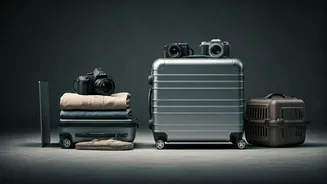
Passengers aged 18 and above will find it easier to bring essential personal electronics under the new Baggage Rules 2026. A significant inclusion is the provision for importing one laptop duty-free. Furthermore, items such as cameras and wristwatches are now permitted within the general free allowance limits, removing previous ambiguities. The updated rules also recognize the needs of pet owners, introducing provisions that make it more convenient to travel internationally with pets. These additions demonstrate a move towards accommodating a wider range of traveler needs, making international journeys more comfortable and less complicated by simplifying the process of bringing personal and valuable items.
Jewellery & Temporary Imports
The Baggage Rules 2026 have introduced a weight-based system for duty-free jewellery allowances for returning residents and tourists of Indian origin who have resided abroad for over a year. Specifically, women are now allowed to carry up to 40 grams of jewellery duty-free, while men are permitted up to 20 grams. This shift from value-based to weight-based assessment aims to simplify the process and reduce potential confusion regarding valuation. Additionally, the rules facilitate the temporary import and export of goods. Customs authorities can now issue temporary baggage certificates, which is a boon for travelers bringing in items like professional equipment or other valuable articles for a limited period. This measure is designed to expedite the clearance process and minimize the likelihood of items being held up at customs, thereby reducing inconvenience for travelers.