





Ramadan's Spiritual Core
Ramadan, the ninth month of the Islamic lunar calendar, is a period of profound spiritual reflection and devotion, commemorating the initial revelations
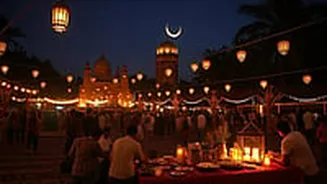
of the Quran. Throughout this month, Muslims worldwide observe a rigorous fast from the break of dawn until sunset. This practice is not merely about abstaining from food and drink; it's a discipline aimed at fostering self-purification, spiritual growth, and cultivating empathy for those less fortunate. The day begins with a pre-dawn meal known as suhur (or sehri), providing sustenance for the day's fast, and concludes with the iftar, a meal to break the fast, often commencing with dates and water, followed by traditional dishes. This commitment to fasting and increased prayer is an obligation for healthy adult Muslims, encompassing abstaining from any form of food, drink, smoking, and even negative behaviors during daylight hours. Those facing health challenges, traveling, or specific physiological conditions like pregnancy or menstruation are granted exemptions.
Moon Sighting & Start Date
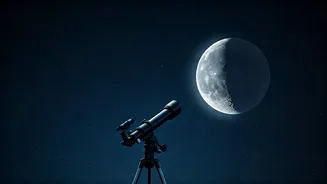
The commencement of Ramadan is traditionally marked by the sighting of the crescent moon, a practice steeped in historical significance and religious observance. This sighting determines the precise start of the month-long fast. For Ramadan 2026 in India, the first day of Sehri and Iftar is anticipated to fall on February 19. This date is crucial as it signals the beginning of the dawn meal and the evening meal to break the fast. While the core observance is consistent, some Muslim communities, particularly in Saudi Arabia and other Gulf nations, may begin their fast a day earlier, contingent on their local moon sighting. The first Sehri on this anticipated start date is expected around 5:36 AM, followed by the Iftar at approximately 6:15 PM, setting the rhythm for the days ahead.
City-Wise Timings
Observing Ramadan requires careful attention to the daily timings for Sehri and Iftar, which vary based on geographical location. For those in Delhi, Sehri is scheduled for 05:39 AM, with Iftar at 06:13 PM. Mumbai residents can expect Sehri at 05:52 AM and Iftar at 06:40 PM. In Kolkata, the timings are earlier, with Sehri at 04:51 AM and Iftar at 05:35 PM. Bengaluru observes Sehri at 05:29 AM and Iftar at 06:27 PM. Hyderabad's timings are 05:28 AM for Sehri and 06:19 PM for Iftar. Chennai's Sehri is at 05:18 AM and Iftar at 06:16 PM. Lucknow follows with Sehri at 05:24 AM and Iftar at 05:59 PM. Kanpur's Sehri is at 05:25 AM and Iftar at 06:03 PM. Ranchi's timings are 05:04 AM for Sehri and 05:45 PM for Iftar. Ahmedabad has Sehri at 05:55 AM and Iftar at 06:37 PM. Surat's Sehri is at 05:53 AM and Iftar at 06:38 PM. Lastly, Pune's timings are 05:47 AM for Sehri and 06:37 PM for Iftar. These precise timings are essential for accurately observing the fast.
Concluding Ramadan
Ramadan's spiritual journey culminates in the joyous celebration of Eid al-Fitr, marking the end of the month-long fasting period. For 2026, Eid al-Fitr is anticipated to be observed on March 20. This day signifies a transition from devotion and self-discipline back to communal celebration and gratitude. On this final day of fasting, the Sehri will take place at 5:06 AM, followed by the Iftar at 6:33 PM. The end of Ramadan is a time of significant festivity, involving special prayers, gatherings with family and friends, and acts of charity, reflecting the lessons learned and the spiritual enrichment gained throughout the holy month. It's a time to reflect on the deepened connection with the divine and the strengthened sense of community.