




Volcanic Hotspots
Iceland's dramatic landscapes are a direct result of its position atop the Mid-Atlantic Ridge, a divergent tectonic plate boundary. This geological setting
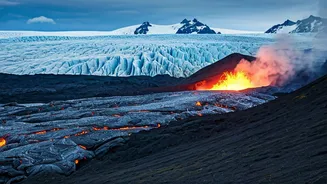
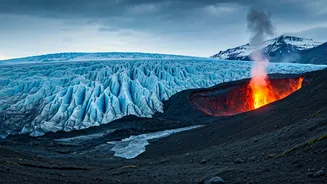
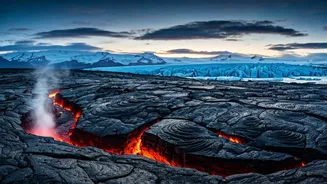
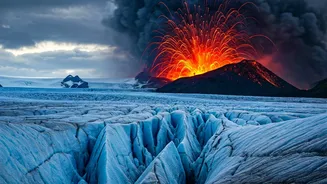
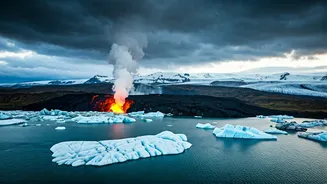
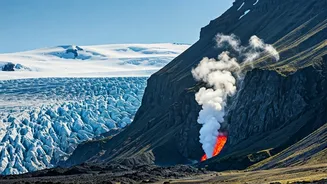
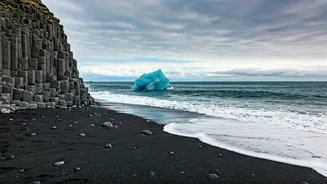
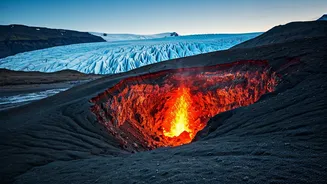
fuels intense volcanic activity, making it one of the most volcanically active regions globally. Numerous volcanoes dot the island, many of which are still active and contribute to the 'fire' aspect of its nickname. These eruptions have shaped the terrain over millennia, creating vast lava fields, dramatic basalt columns, and geothermal areas bubbling with geysers and hot springs. The presence of these active geological forces provides a constant reminder of the powerful processes shaping our planet, offering a raw and untamed beauty that draws visitors from around the world to witness these natural spectacles firsthand. The geothermal energy harnessed from these sites also plays a crucial role in Iceland's sustainability.
Glacial Giants
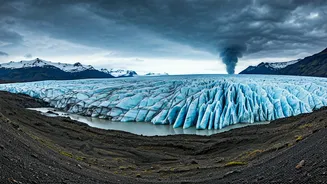
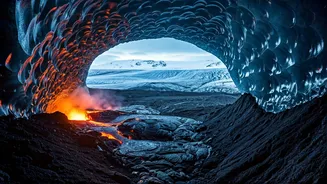
Complementing its fiery core, Iceland is also defined by its immense glacial expanses, embodying the 'ice' in its famed title. A significant portion of the country is covered by glaciers, with Vatnajökull being the largest ice cap in Europe. These ancient bodies of ice carve out majestic fjords, sculpt dramatic valleys, and feed numerous stunning waterfalls. The slow, powerful movement of glaciers grinds rock, creating fine glacial flour that tints rivers and lakes in ethereal blue and grey hues. Ice caves, formed by meltwater within the glaciers, offer surreal underground experiences, glowing with an otherworldly blue light. The retreating glaciers due to climate change also highlight the dynamic nature of these icy landscapes and the urgent need for conservation efforts to preserve these natural wonders for future generations.