






Exterior Design Insights
Leaked spy images offer a first glimpse of the upcoming electric SUV, tentatively named Syros EV, as it undergoes testing on Indian roads. The vehicle
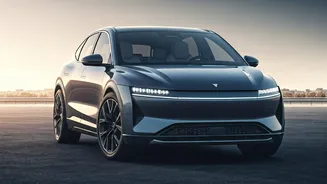
sports a robust, boxy silhouette that echoes its internal combustion engine sibling, suggesting a familiar yet distinct presence. A notable design element is the charging port's placement on the front left fender, a common and convenient spot for EVs. While heavily disguised, the test mule appears to utilize 17-inch alloy wheels, identical to those found on the petrol variant, but differentiated by eye-catching neon green brake calipers. The rear bumper has undergone subtle modifications, featuring a combination of body-colored and black panels, though the full extent of these changes remains obscured by camouflage. Additionally, revised roof rails are visible, potentially engineered to enhance aerodynamic efficiency. Key lighting elements, including vertically aligned LED headlights with distinctive L-shaped daytime running lights and LED taillights, along with an ADAS radar sensor and a 360-degree camera system, seem to be carried over from the ICE model. However, it's anticipated that the production version may feature a slightly redesigned front bumper to visually set the electric variant apart from its gasoline-powered counterpart.
Platform and Powertrain Specs
The forthcoming Syros EV is slated to be constructed upon the K1 platform, a foundation also utilized by the Hyundai Inster EV available in international markets. This means the new Kia electric SUV will be a front-wheel-drive (FWD) offering. Although official specifications for the powertrain are still under wraps, comparisons with the Inster EV suggest potential battery configurations. The Inster EV is offered with two battery pack choices: a 42kWh unit and a larger 49kWh option. These configurations provide a manufacturer-claimed driving range of up to 369 kilometers on a single charge. It's highly probable that the Syros EV will draw from these established powertrain technologies, aiming to provide competitive range and performance for the Indian market. The adoption of this shared platform underscores a strategic approach to development and production efficiency, allowing for a quicker entry into the burgeoning electric vehicle segment.
Interior Features and Tech
While interior spy shots have not yet surfaced, expectations are that the cabin of the Syros EV will largely mirror the layout of its conventionally powered sibling. This suggests a modern and well-appointed interior, likely to include a sophisticated dual-screen setup, potentially featuring two 12.3-inch displays for infotainment and driver information. Other anticipated comfort and convenience features could encompass a panoramic sunroof, ventilated seats for enhanced comfort, and wireless charging capabilities for compatible devices. Furthermore, the electric variant might introduce advanced EV-specific functionalities, such as Vehicle-to-Load (V2L) and Vehicle-to-Vehicle (V2V) power export capabilities. These features would allow the car to power external devices or even other electric vehicles in emergencies, adding significant utility and appeal to the Syros EV. The combination of familiar interior design with advanced electric-vehicle-centric technologies aims to position the Syros EV as a compelling option in its segment.
Market Positioning and Rivals
Upon its anticipated launch in India later this year, the Kia Syros EV is expected to enter the competitive entry-level electric SUV market. Industry insiders suggest a projected price range between Rs 15 lakh and Rs 20 lakh (ex-showroom), positioning it to attract a broad spectrum of buyers looking for an affordable yet feature-rich electric vehicle. This price bracket places it directly in contention with established and upcoming electric offerings from major manufacturers. Key rivals it will face include the popular Tata Nexon EV, known for its strong market presence and consistent updates; the MG Windsor EV, which is expected to bring its own set of innovative features; and the Mahindra XUV 3XO EV, another promising entrant from an Indian automotive giant. The Syros EV's success will hinge on its ability to differentiate itself through a unique design, competitive pricing, and a compelling package of features and range against these formidable competitors in India's rapidly expanding EV landscape.