




Day 1: Yellow's Joy
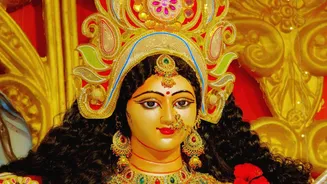
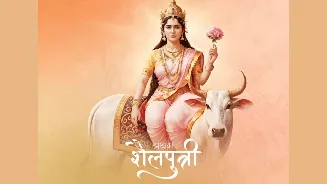
The auspicious Chaitra Navratri festival commences on Thursday, March 19, 2026, initiating nine days of devotion. The inaugural day is dedicated to Maa
Shailputri, and the colour of the day is vibrant yellow. This cheerful hue symbolizes happiness, the radiance of joy, and the promise of prosperity. Many devotees choose to don yellow attire on this first day, setting a positive and hopeful tone for the entire festival. It's believed that by embracing yellow, worshippers invoke blessings associated with new beginnings and the joyful spirit of the Goddess.
Day 2: Green's Growth
On the second day of Chaitra Navratri, devotion turns towards Maa Brahamacharini. The colour chosen for this day is green, a potent symbol of new beginnings and personal growth. Green represents the natural world's cycles of renewal and fertility, encouraging devotees to nurture their aspirations and witness them flourish. Embracing this colour is thought to foster a sense of development and progress in all aspects of one's life, aligning them with the generative powers of the divine feminine.
Day 3: Grey's Calm
The third day of the festival honours Maa Chandraghanta, and its associated colour is grey. This shade signifies a profound sense of calmness and the balancing of emotions. Wearing or incorporating grey into one's surroundings on this day is believed to help cultivate inner peace and a grounded, humble disposition. It encourages a serene state of mind, allowing devotees to approach their spiritual practices with a stable and centred consciousness.
Day 4: Orange's Courage
Day four of Chaitra Navratri is dedicated to the worship of Maa Kushmanda. The colour associated with this day is orange, a hue renowned for its ability to instil positivity and courage. Orange is considered an empowering colour, believed to uplift spirits and provide a boost of confidence. Devotees often choose to wear orange to feel more spirited and to draw upon the Goddess's strength and protective energy.
Day 5: White's Serenity
The fifth day of Chaitra Navratri is devoted to Maa Skandamata. The colour white, representing purity, patience, composure, and serenity, is embraced on this day. White signifies a tranquil mind and a peaceful heart, encouraging devotees to approach their prayers with a calm and composed spirit. It is believed that by meditating on or wearing white, one can attain a state of inner stillness and receive the Goddess's blessings for mental clarity.
Day 6: Red's Strength
Maa Katyayani, a formidable manifestation of Maa Durga, is worshipped on the sixth day. The colour red is linked to this day, embodying strength, passion, and divine energy. Red is a powerful colour that can evoke a sense of vitality and empowerment. Devotees are encouraged to embrace red to feel a surge of power and to connect with the fierce yet loving energy of Maa Katyayani, fostering resilience and inner fortitude.
Day 7: Royal Blue's Wisdom
On the seventh day, devotees worship Goddess Kaalratri. The colour for this day is royal blue, which is associated with wisdom, richness, and protection. Royal blue is believed to enhance one's understanding and provide a shield against negative influences. Embracing this regal colour is thought to invoke divine insight and a sense of security, guiding devotees with clarity and foresight.
Day 8: Pink's Compassion
The eighth day of Chaitra Navratri honours Goddess Mahagauri. Devotees are encouraged to wear or embrace the colour pink on this day. Pink symbolizes love, compassion, and kindness. It is believed that by praying to Maa Mahagauri while adorned in pink, worshippers can invite these benevolent qualities into their lives, fostering harmonious relationships and a gentle spirit.
Day 9: Purple's Blessings
The culmination of the Chaitra Navratri festival arrives on the ninth day, dedicated to the worship of Maa Siddhidatri. The colour purple is associated with this final day. Purple is a colour that represents divine blessings and spirituality, signifying a connection to higher realms. Embracing purple is thought to attract spiritual grace and a deeper connection to the divine, marking a fulfilling end to the nine days of worship.