





Til Ladoo Delights
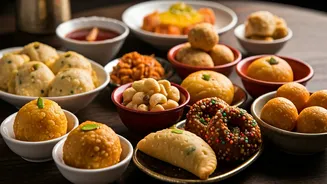
Til ladoos, sweet sesame seed balls, are a quintessential Makar Sankranti treat. They symbolize the warmth of the sun and the sweetness of new beginnings.
Typically, these are made by roasting sesame seeds until they turn golden, then mixing them with jaggery or sugar syrup. The mixture is shaped into small balls, often with a touch of cardamom or other spices for added flavor. Families usually prepare and share til ladoos, signifying the importance of togetherness and the spirit of sharing during the festival. These ladoos are not only delicious but also offer various health benefits, as sesame seeds are rich in calcium and iron, making them a nutritious snack alongside being a festive treat. The preparation of til ladoos is often a family activity, which strengthens bonds and passes down traditional recipes.
The Joy of Puran Poli
Puran Poli is a sweet flatbread that is especially popular in Maharashtra during Makar Sankranti. It is made with a sweet lentil filling (puran), which is typically made from chana dal (split chickpeas) cooked with jaggery, cardamom, and nutmeg. The filling is then stuffed into a dough made from maida (refined flour) or wheat flour. The filled dough is rolled out and roasted on a griddle with ghee until golden brown. Puran Poli is often served with ghee and a side of katachi amti (a spicy soup made from the water used to cook the lentils), which provides a balanced and complete meal. This dish signifies prosperity and good fortune, making it a beloved part of the festival. Its complex preparation and rich flavors represent the effort and joy associated with the harvest season, and are best enjoyed with loved ones.
Undhiyu's Unique Blend
Undhiyu is a traditional Gujarati mixed vegetable dish that is cooked upside down in earthen pots, which gives it its name. This slow-cooking method infuses the vegetables with a distinct smoky flavor. The dish typically includes a variety of seasonal vegetables such as green beans, potatoes, eggplants, and root vegetables. These vegetables are marinated with spices, herbs, and green garlic paste, and then layered in the pot along with muthiyas (small dumplings made from besan or chickpea flour). The pots are then sealed and cooked over a slow fire. It is often served with poori and shrikhand. This unique cooking method symbolizes community and sharing, as the preparation and enjoyment of Undhiyu are often done together. This flavorful and aromatic dish represents the abundance of the harvest season, and is a must-try during Makar Sankranti.
Gujarati Ubadiyu
Gujarati Ubadiyu is another traditional dish from Gujarat, closely associated with the harvest festival. It shares the same method of cooking as Undhiyu, where it is prepared in underground earthen pots. However, Ubadiyu primarily consists of root vegetables and fresh green beans, which are seasoned with simple spices and herbs and cooked over low heat. The distinct feature of Ubadiyu is its earthy aroma and rich taste. This method of cooking infuses the dish with the flavors of the soil, offering a rustic experience that is both simple and fulfilling. This dish represents the connection with the earth and the appreciation for the harvest. Enjoying Ubadiyu brings people together, embodying the spirit of communal celebration during Makar Sankranti.
Sweetness of Payasam
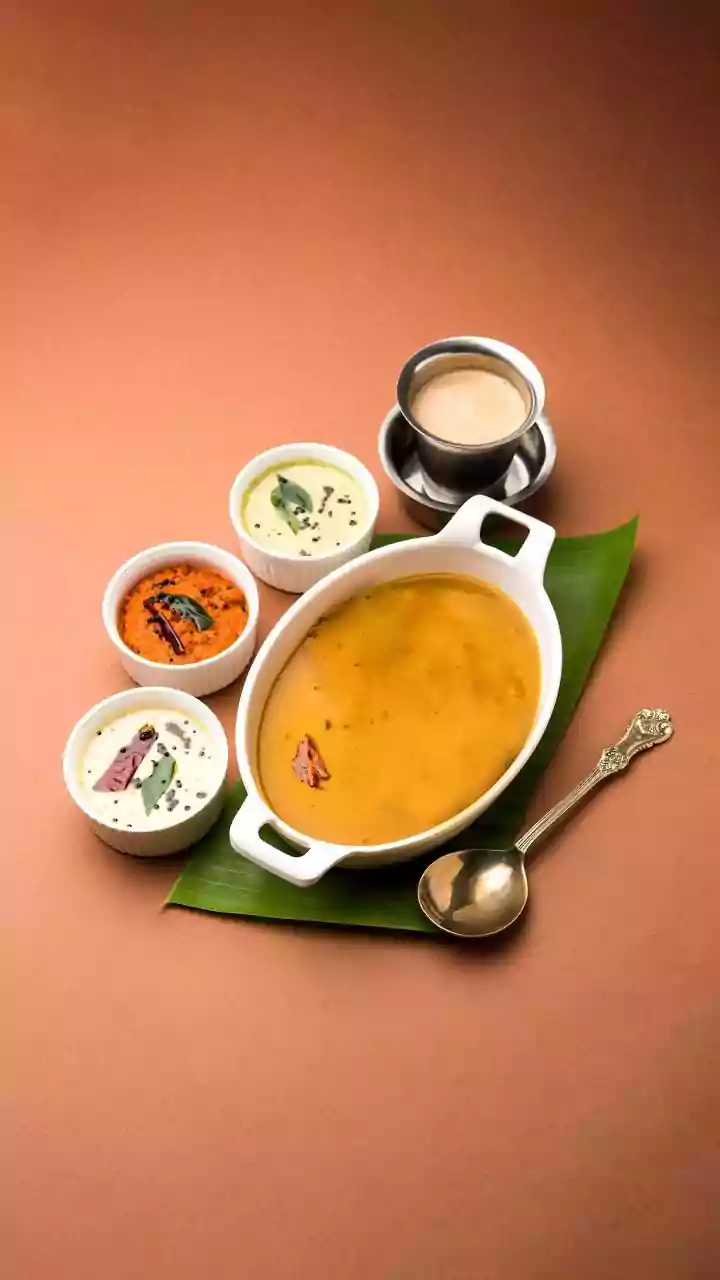
Payasam, a creamy rice pudding, is a sweet dish that is widely prepared and cherished during Makar Sankranti. It is known by different names across different parts of India, but its essence remains the same: a celebration of sweetness and abundance. This delicious dessert usually contains rice, milk, sugar or jaggery, and is flavored with cardamom, nuts, and sometimes saffron. The slow cooking process allows the rice to absorb the flavors, creating a rich and velvety texture. Payasam is often served warm and is considered a symbol of auspiciousness. It is shared during celebrations to spread joy and mark the sweetness of new beginnings, reinforcing the importance of shared meals during the festival and celebrating the abundance of the harvest.
Sarson ka Saag
Sarson ka Saag, a Punjabi specialty, is a dish made from mustard greens and is a beloved winter staple. Although not always exclusive to Makar Sankranti, it is commonly enjoyed during this time due to its seasonal availability. The greens are cooked slowly with spices and often combined with other greens like bathua (chenopodium). The saag is typically served with makki di roti (cornmeal flatbread) and a dollop of butter or ghee. This hearty dish is a symbol of the bounty of the winter harvest, celebrating the flavors of the season. The rich, earthy taste of the sarson ka saag coupled with the makki di roti provides a comforting and satisfying meal, perfect for the cold weather, making it a cherished part of winter festivities.
Til Chikki's Crunch
Til Chikki is a crunchy sweet made with sesame seeds and jaggery, and is a popular treat during Makar Sankranti. It is a simple yet flavorful confection, prepared by roasting sesame seeds and then mixing them with melted jaggery. The mixture is then spread out and allowed to cool and harden, before being cut into small pieces. Til chikki is an easy-to-carry snack. Its combination of textures and flavors makes it a delightful treat for all ages. It symbolizes sweetness and well-being, commonly shared during the festival, symbolizing the warmth of the sun and the joy of the harvest. The satisfying crunch and rich taste make it a beloved component of the Makar Sankranti celebration.
Gajak's Crispy Delight
Gajak is a brittle sweet made from sesame seeds and jaggery or sugar, a common treat enjoyed during Makar Sankranti. The process begins with roasting sesame seeds until they achieve a golden hue, then mixing them with melted jaggery or sugar syrup. The mixture is spread thinly and allowed to harden into a brittle form, which is then broken into pieces. Gajak is known for its crispy texture and nutty flavor. It's often enjoyed as a snack or a dessert, and is symbolic of the sweetness and good fortune associated with the harvest season. Its simplicity in preparation belies its rich taste, making it a widely appreciated treat during the celebrations. Gajak is frequently gifted and shared among friends and family during Makar Sankranti.
Dahi Chura's Simplicity
Dahi Chura is a simple yet satisfying dish that is very popular during Makar Sankranti. It consists of flattened rice (chura) soaked in yogurt (dahi), and often mixed with jaggery or sugar and seasonal fruits like bananas. The ingredients are simple but they combine to create a refreshing and filling meal. It’s a great way to start the day. Dahi chura embodies the spirit of simplicity and is easy to prepare, making it a popular choice for quick and enjoyable meals. This meal is light yet filling, offering a pleasant break from the richer and more elaborate dishes commonly found during the celebrations. The combination of textures and flavors makes it a favorite among many during the festival.
Kheer's Creamy Indulgence
Kheer, a creamy rice pudding, is a traditional dessert that's often enjoyed during Makar Sankranti, though it is served in different regions with unique variations. It’s a dessert that is considered auspicious. This dish features rice, milk, sugar, and is often flavored with cardamom, saffron, and garnished with nuts. The slow cooking process allows the rice to become soft and the flavors to meld together, creating a rich and indulgent dessert. The sweetness and creamy texture of kheer symbolize prosperity and happiness. Kheer is commonly shared among families and friends during celebrations, adding a sweet and festive note to the occasion, celebrating the essence of sharing and spreading joy during the harvest festival.