








Lavender's Calming Defence
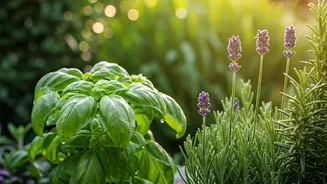
Lavender, celebrated for its serene fragrance, is an exceptional plant for natural pest control. Its potent essential oils are highly unappealing to numerous
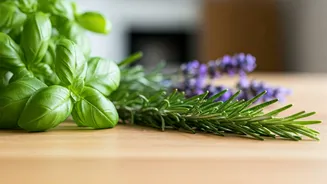
insects, including moths, fleas, flies, and mosquitoes, creating a peaceful environment for you. To harness its full repellent capabilities, ensure it receives ample sunlight, ideally placed in a sunny window. The pleasing aroma that soothes humans acts as an irritant to these common household pests, making it a dual-purpose addition to your home décor and a natural deterrent.
Mint's Invigorating Barrier
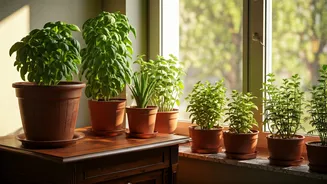
Mint, a remarkably vigorous herb, serves a dual purpose as both a culinary delight and an effective natural pest deterrent. Its distinct and refreshing scent is formidable against a variety of unwanted visitors, from spiders and ants to even mice seeking entry. To manage its enthusiastic growth and prevent it from taking over your indoor garden, it's best to keep mint confined to its own pot. This strategy ensures its powerful aroma remains concentrated and effectively wards off pests without becoming an invasive element in your plant collection.
Rosemary's Aromatic Shield
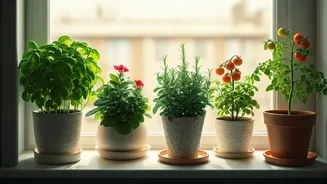
Beyond its culinary applications, Rosemary stands out as a robust perennial that naturally repels insects. Its characteristic woody fragrance is particularly effective at deterring mosquitoes and the dreaded cabbage moth. Thriving in bright light conditions, Rosemary not only infuses your home with a delightful, savoury scent but also acts as a steadfast guardian against bothersome flying insects, contributing to a more pleasant indoor atmosphere.
Marigolds' Bright Protection
Marigolds, frequently incorporated into vegetable gardens for their pest-repelling properties, prove equally effective when brought indoors. These vibrant flowers contain pyrethrum, a naturally occurring compound that is a key ingredient in many commercial insect repellents. Their cheerful blooms are especially adept at discouraging smaller nuisades like gnats and aphids from settling on your other houseplants, thereby protecting your entire indoor plant collection.
Chrysanthemums' Potent Power
Often referred to simply as 'Mums', these plants are among the most powerful natural pest deterrents available. They excel at repelling a wide array of pests, including cockroaches, ants, Japanese beetles, ticks, and silverfish. The high levels of pyrethrin produced by chrysanthemums are so potent that extracts from these flowers are commonly utilized in the formulation of natural household insecticidal sprays, showcasing their remarkable efficacy.
Basil's Pungent Defence
Having a pot of fresh Basil on your kitchen counter offers more than just the promise of delicious pesto. The plant's distinctively pungent leaves possess properties that are toxic to mosquito larvae and effectively deter adult flies from congregating near your food preparation areas. Basil thrives in consistently damp soil and requires plenty of sunlight to maintain its robust growth and pest-repelling capabilities.
Citronella Grass for Entryways
Widely recognized as the 'Mosquito Plant,' Citronella Grass contains the very natural oil that is a staple in outdoor insect-repellent candles. While this grass can grow quite large, a small indoor pot strategically placed near an entryway can significantly help in masking the scents that typically attract mosquitoes into your home, acting as a natural olfactory barrier.
Lemongrass's Citrusy Repellent
Closely related to its citronella cousin, Lemongrass is rich in compounds like citral and geraniol. These elements are highly effective at repelling common pests such as fruit flies and mosquitoes. Beyond its practical pest-control benefits, Lemongrass adds an attractive, wispy aesthetic to your home decor and emits a clean, citrusy scent that is particularly disagreeable to insects.