





Welcoming the Bengali New Year
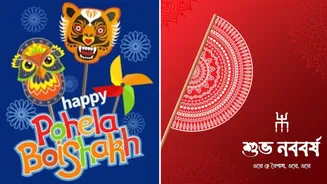
As the vibrant festivities of Baisakhi conclude, a new wave of excitement washes over Bengali communities worldwide. Pohela Boishakh, also known as Noboborsho,
signifies the advent of the Bengali New Year, marking a period brimming with optimism, fresh starts, and a deep sense of cultural pride. Celebrated across West Bengal, Bangladesh, and diaspora communities, this day is a testament to new beginnings, inviting everyone to embrace change and renewal with open arms. The year 2026 heralds Bengali year 1433 with joyous anticipation, with the official celebration falling on Wednesday, April 15th in West Bengal. This date follows the celestial event of Mesha Sankranti, where the Sun's transition into Aries on April 14th at 09:39 AM, ignites the new solar cycle, setting the stage for a full day of vibrant festivities and cultural immersion.
Traditions and Culinary Delights
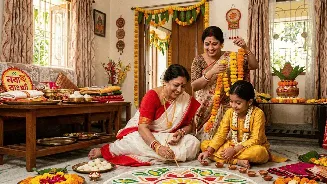
The essence of Noboborsho lies in its beautiful fusion of time-honored customs and lively celebrations. Families come together, adorning themselves in traditional attire and decorating their homes to welcome the new year. Special prayers and rituals are conducted with the earnest hope of inviting prosperity and happiness into their lives. However, no Pohela Boishakh celebration is truly complete without indulging in the exquisite flavors of authentic Bengali cuisine. A magnificent spread of traditional dishes and sweet confections takes center stage, making gastronomy one of the most cherished highlights of this auspicious occasion. These culinary experiences are not just about taste but also about sharing joy and tradition.
The Significance of Haal Khata
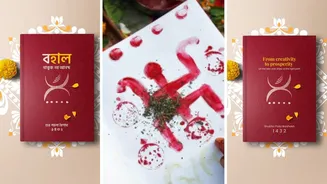
A particularly significant and age-old custom observed during Noboborsho is the 'Haal Khata'. This unique Bengali tradition is predominantly followed by traders and business owners as a symbol of a fresh financial start. On this auspicious day, existing account books, filled with the transactions of the past year, are ceremonially closed. Subsequently, new ledgers are inaugurated, signifying a clean slate and the commencement of a new accounting cycle. This ritual often involves prayers offered to Goddess Lakshmi and Lord Ganesha, seeking their blessings for wealth and prosperity. Furthermore, it's a time for businesses to invite their valued customers, settle outstanding dues from the previous year, and often share sweets as a gesture of goodwill, reinforcing relationships and fostering an atmosphere of mutual respect and shared success for the year ahead.
Heartfelt Noboborsho Wishes
In today's interconnected world, sharing good wishes is a cornerstone of celebrating Pohela Boishakh. People actively engage by updating their social media statuses, sending messages via chats, and exchanging greetings through texts or cards. To help you connect with your loved ones, here are ten heartwarming wishes for Shubho Noboborsho in 2026: 1. Shubho Noboborsho! May your year be filled with joy and new beginnings. 2. Wishing you happiness, peace, and success this Bengali New Year. 3. May this Noboborsho bring fresh hope and endless blessings. 4. Happy Pohela Boishakh! May your days shine brighter than ever. 5. Wishing you prosperity and good health in the new year. 6. Let this Bengali New Year fill your life with positivity and love. 7. Shubho Noboborsho! May all your dreams come true this year. 8. Wishing you a colorful year full of smiles and celebrations. 9. May Pohela Boishakh bring new opportunities and happiness your way. 10. Happy Bengali New Year! Stay blessed and keep shining always. These sentiments capture the spirit of renewal and hope that defines this cherished occasion.